Fiber Optic Internet Explained
Introduction to Fiber Optic Internet
What Is Fiber Optic Internet?
Fiber optic internet sends data not as electrical signals, but as pulses of light. These pulses travel through incredibly thin strands of glass or plastic called optical fibers. It’s a bit like sending Morse code with a flashlight, but happening millions of times per second and over vast distances.
Fiber optic Internet works by sending data as light pulses along thin glass fibers.
Each fiber optic cable is a bundle of these tiny strands. This technology allows for a huge amount of information to be sent very quickly and reliably. Imagine the difference between a garden hose and a fire hose—fiber optics offers a much wider pipe for data to flow through.
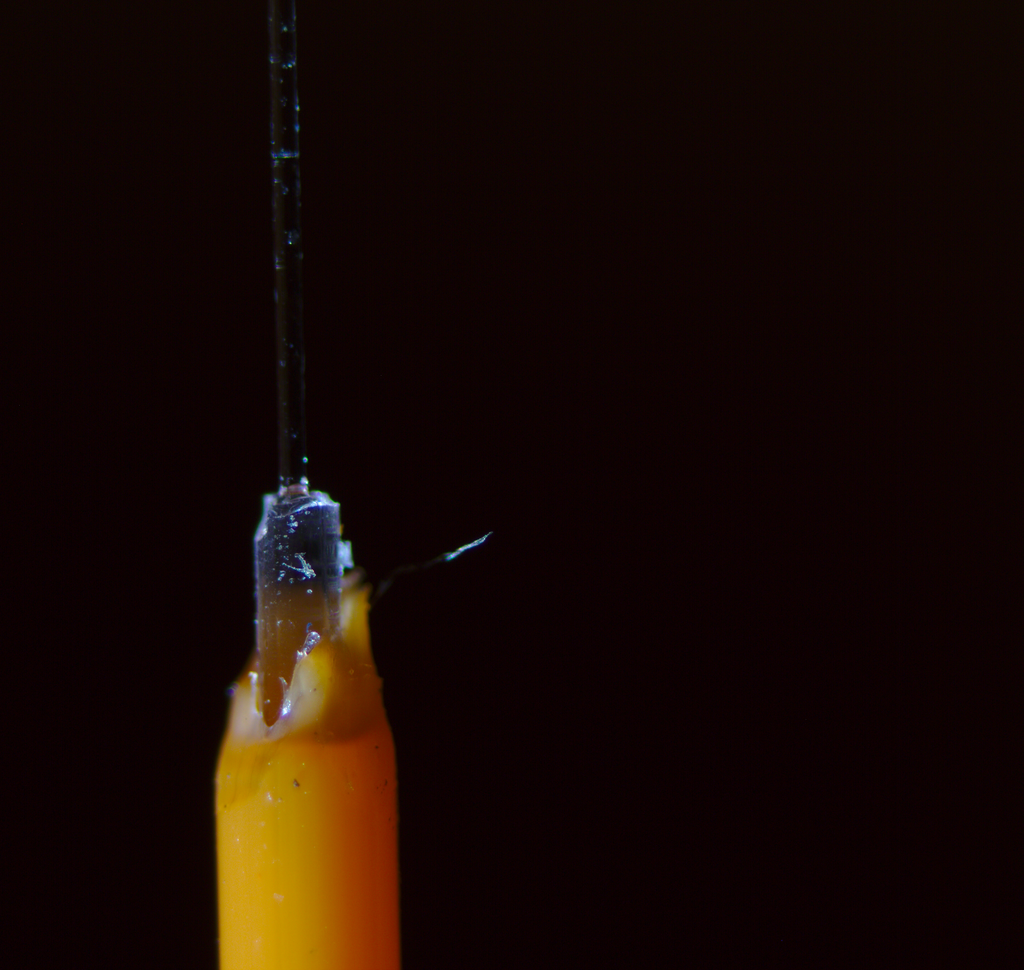
How Light Travels Through a Cable
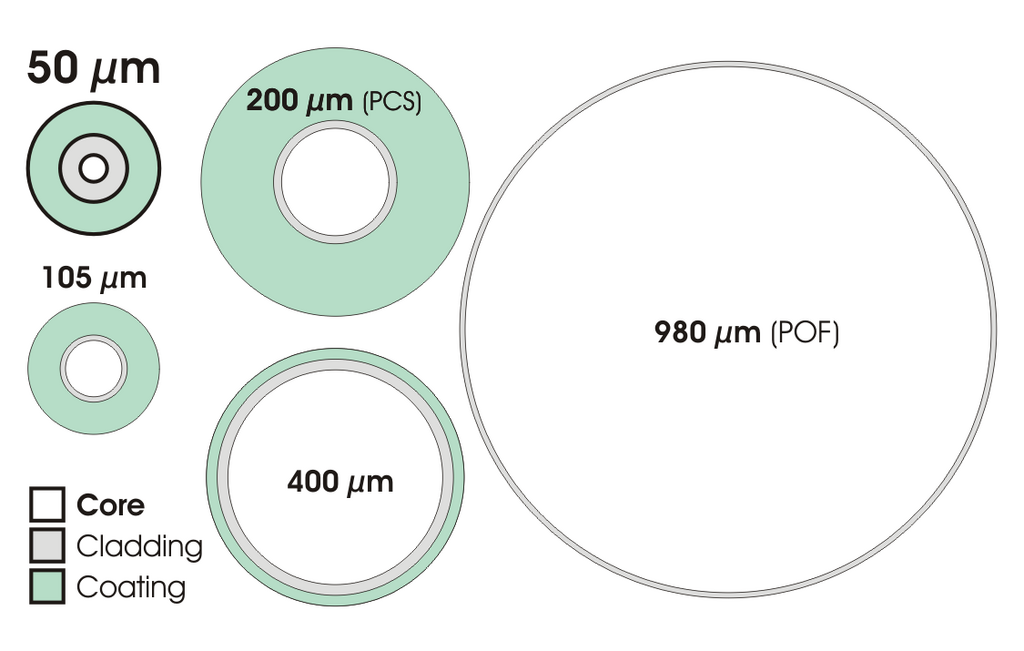
A fiber optic cable isn't just a simple glass thread. It has three main parts designed to keep the light signal contained and protected.
- Core: The very center of the fiber, where the light travels.
- Cladding: A layer of material that surrounds the core. It has a different optical density, which is key to trapping the light.
- Coating: A protective outer layer that shields the core and cladding from damage and moisture.
The magic that keeps light inside the core is a principle called total internal reflection. Light travels down the core, bouncing off the boundary with the cladding like a ball ricocheting down a hallway. This happens because the cladding is designed to have a lower refractive index than the core. When light hits the boundary at a shallow enough angle, it reflects perfectly instead of escaping.