Festival DJing Essentials
Introduction to DJing
What is a DJ?
At its heart, a DJ, or disc jockey, is a curator of sound. They select and play recorded music for an audience. But it's more than just creating a playlist. A great DJ reads the room, builds energy, and crafts a seamless musical journey that can define an entire night.
The role originated with radio broadcasters in the early 20th century who played records—or "discs"—for listeners. The art form truly exploded in the 1970s at block parties in the Bronx. Pioneers like Kool Herc started using two turntables not just to play songs back-to-back, but to isolate and extend the percussive instrumental breaks. This innovation didn't just get people dancing; it laid the foundation for hip-hop music.
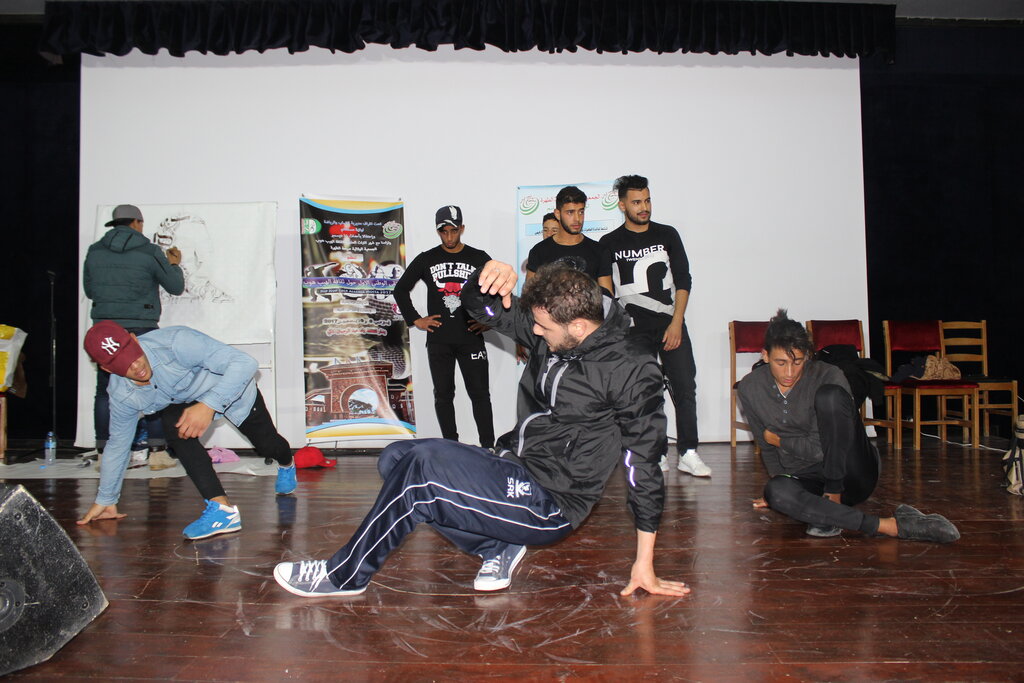
From these block parties to massive global festivals, the core job remains the same: use technology to blend tracks together, creating a continuous flow of music. The goal is to make the transitions so smooth that the audience doesn't notice when one song ends and another begins.
Types of DJs
The term "DJ" covers a wide range of performers. While some skills overlap, the context and goals can be very different. Some DJs are performers in front of thousands, while others are the voice you hear on your morning commute.
| Type | Primary Role | Venue |
|---|---|---|
| Club DJ | Plays live for a dancing audience | Nightclubs, festivals, bars |
| Radio DJ | Hosts a radio show, plays music, talks | Radio stations |
| Mobile DJ | Hired for private events | Weddings, corporate parties, school dances |
| Turntablist | Uses turntables as an instrument for scratching | DJ battles, live performances |
| Producer DJ | Creates original music and performs it | Clubs, festivals, concerts |
Many modern DJs wear multiple hats. A producer might have a radio show and also play club gigs on the weekends. The path you choose depends on what aspect of music and performance excites you most.
The Basic Gear
To mix music, you need a few key pieces of equipment. The standard setup consists of two music sources and a mixer to blend them.
Think of it like cooking with two stovetop burners and a pot in the middle. The burners are your music sources, and the pot is your mixer where you combine the ingredients.
Music Sources
This is where your music comes from. Traditionally, this meant turntables and vinyl records. Turntables are still beloved for their hands-on feel and are essential for the art of turntablism.
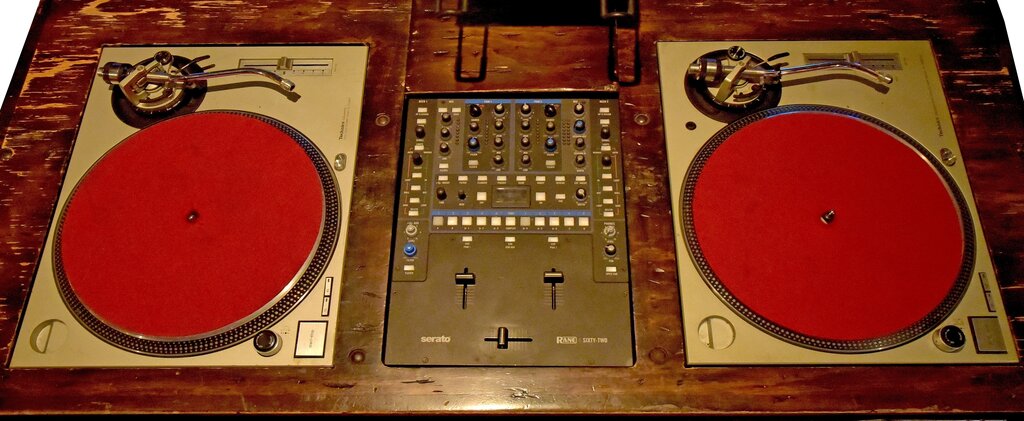
Today, most DJs use digital players, often called CDJs or media players, which play music files from USB drives or laptops. This allows for a much larger library of music than a crate of records.
The Mixer
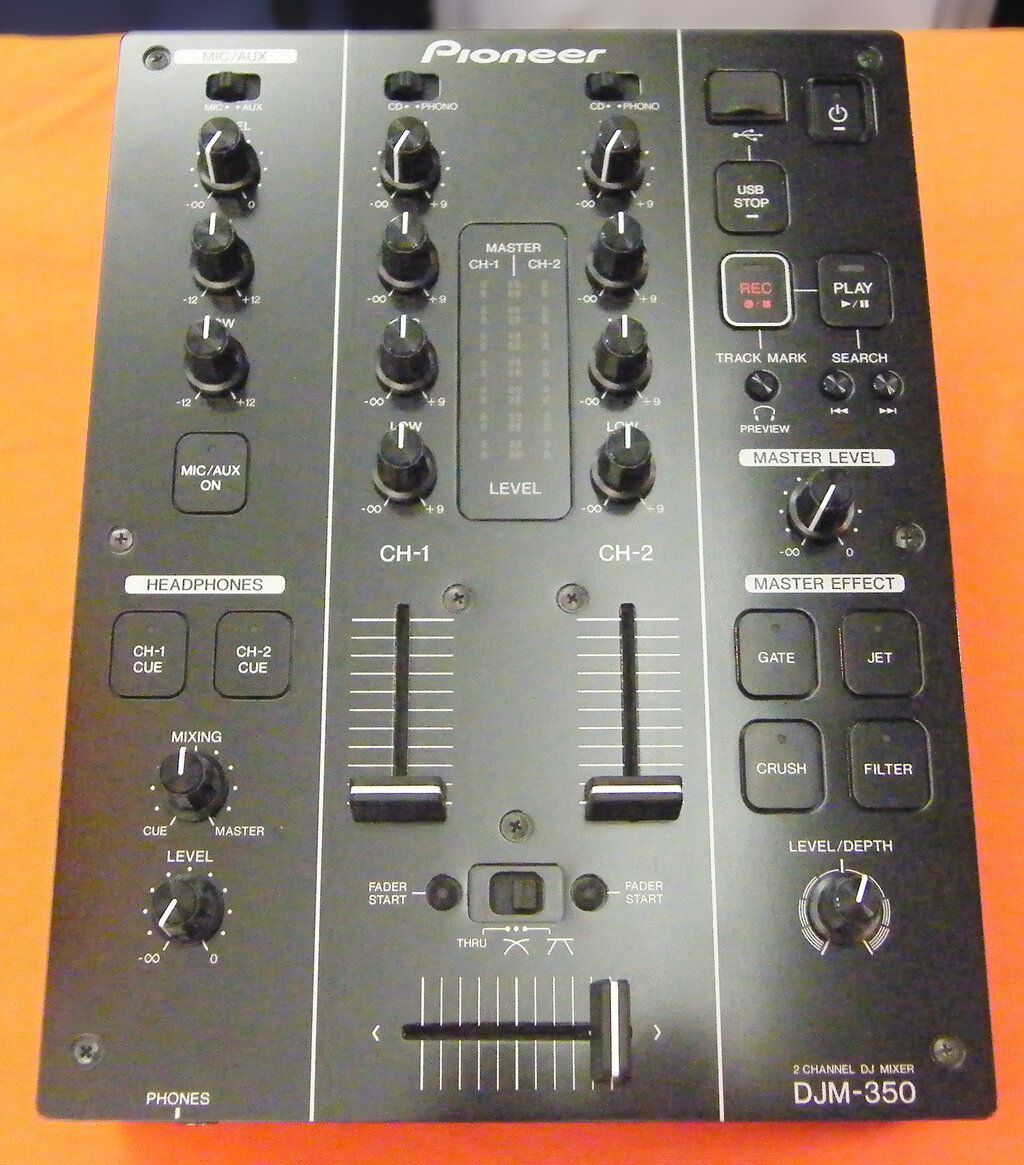
The mixer is the heart of the setup. It's a device that lets you take audio from your two sources and blend them together. It has volume faders for each channel, EQs (equalizer knobs for bass, mids, and treble) to shape the sound, and a crossfader to cut quickly between tracks.
DJ Controllers
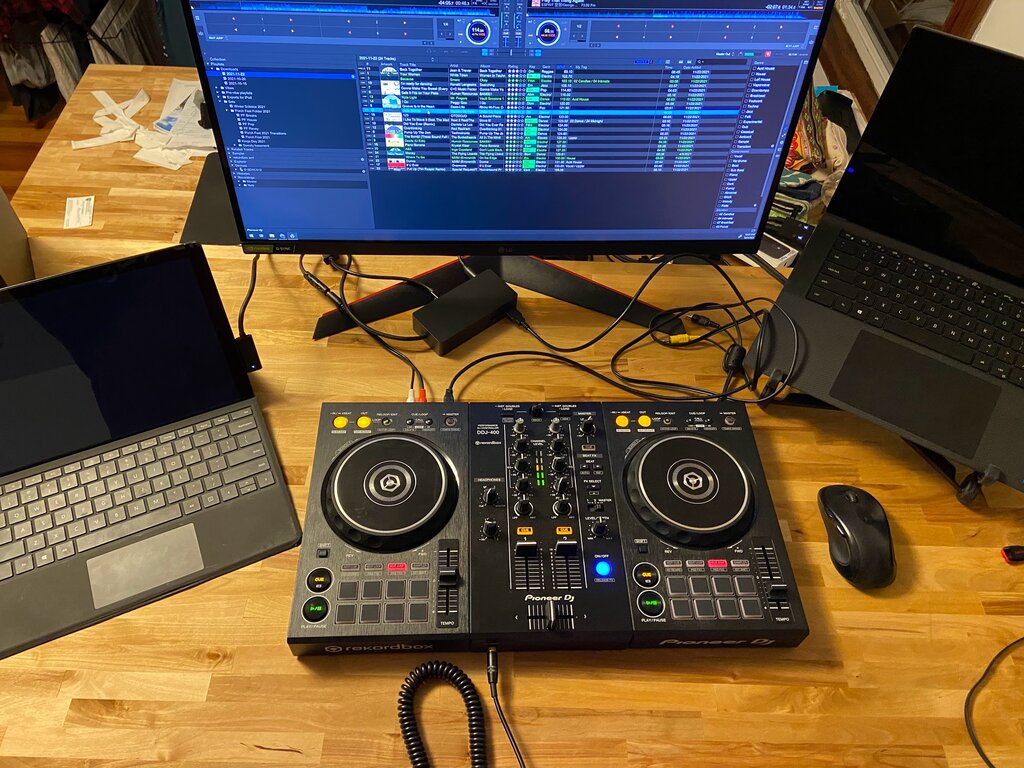
A modern, all-in-one solution is the DJ controller. This device combines the functions of two players and a mixer into a single piece of hardware that connects to a laptop running DJ software. Controllers are popular with beginners and professionals alike due to their portability and versatility.
And of course, no DJ can work without a good pair of headphones. They are crucial for cueing, or listening to the next track you plan to play without the audience hearing it.
Essential Skills
Becoming a great DJ requires more than just good taste in music. It's a craft that combines technical skill with artistic intuition.
One of the essential skills every DJ should learn is beatmatching.
Beatmatching is the process of adjusting the tempo of one song to match the tempo of the song that's currently playing, so they can be mixed together seamlessly. While modern software often has a "sync" button that does this automatically, learning to do it by ear is a fundamental skill that gives you more control and a better understanding of your music.
Other key skills include:
- Music Selection: Knowing what song to play and when. A deep knowledge of music across different genres is your greatest asset.
- Mixing: Using the mixer's EQs and faders to create smooth, clean transitions between songs.
- Reading the Crowd: Paying attention to the audience's energy and adjusting your music choices to keep them engaged.
Mastering these fundamentals is the first step on a long, rewarding journey.
Now, let's test what you've learned about the basics of DJing.
The technique of using two turntables to isolate and extend instrumental breaks, a foundational element of hip-hop, originated in which setting?
What is the central piece of equipment used to blend the sound from two or more music sources together?
With this foundation, you're ready to explore the specific techniques that bring a DJ set to life.