Female Genital Mutilation The Facts
Introduction to FGM
What Is FGM?
Female Genital Mutilation (FGM) involves procedures that intentionally alter or cause injury to the female genital organs for non-medical reasons. The practice is not associated with any specific religion and is carried out for a variety of complex social and cultural reasons.
FGM is internationally recognized as a violation of the human rights of girls and women. It reflects deep-rooted inequality between the sexes and constitutes an extreme form of discrimination.
The Four Types
The World Health Organization (WHO) has classified FGM into four major types. The severity and health consequences vary depending on the type performed.
| Type | Name | Description |
|---|---|---|
| Type 1 | Clitoridectomy | Partial or total removal of the clitoral glans and/or the clitoral hood. |
| Type 2 | Excision | Partial or total removal of the clitoral glans and the labia minora, with or without removal of the labia majora. |
| Type 3 | Infibulation | Narrowing the vaginal opening by cutting and repositioning the labia, sometimes through stitching. |
| Type 4 | Other | All other harmful procedures to the female genitalia for non-medical purposes, like pricking, piercing, or scraping. |
These classifications help health workers and policymakers understand the different procedures involved and tailor their responses accordingly.
A Global Issue
It's estimated that more than 200 million girls and women alive today have undergone FGM. The practice is most concentrated in about 30 countries in Africa, the Middle East, and Asia. However, due to migration, FGM is a global issue and is also practiced in parts of Europe, North America, and Australia.
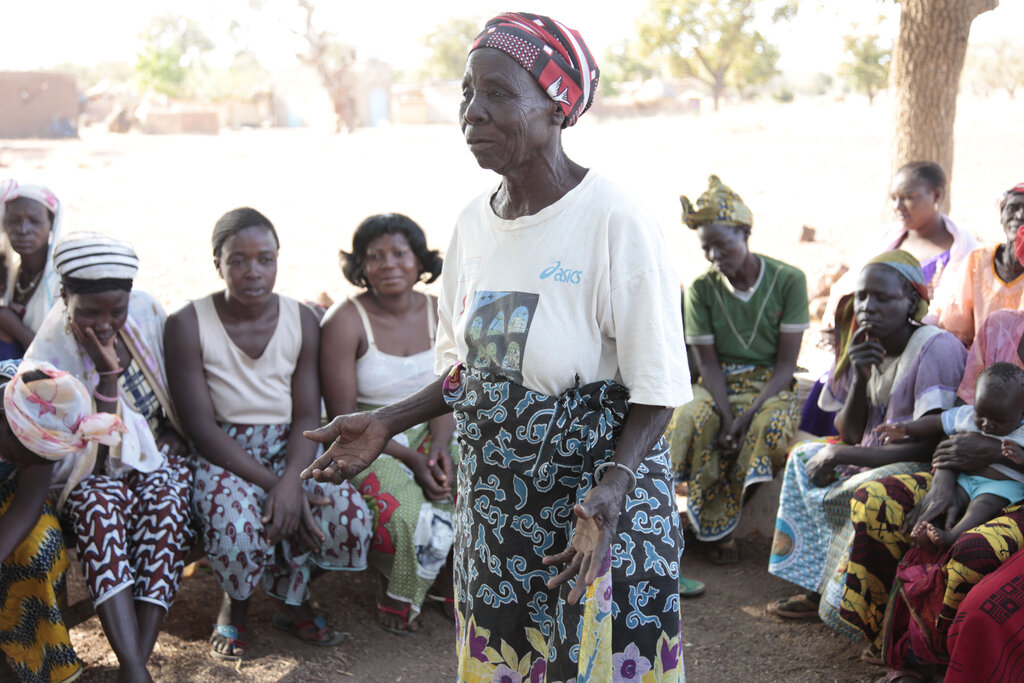
The majority of girls are cut before they turn 15 years old, often before the age of 5. These procedures are typically carried out by traditional circumcisers, who play a central role in their communities. In some cases, medical providers perform FGM, a practice known as medicalization, which is opposed by all major medical organizations.
A Violation of Human Rights
FGM is a fundamental violation of several human rights principles. Because the procedure is performed on girls without their consent and has lifelong consequences, it violates the rights to health, security, and physical integrity. It is also a form of gender-based violence and a violation of the right to be free from torture and cruel, inhuman, or degrading treatment.
Global efforts to end FGM are rooted in this human rights framework. These efforts involve legislation, community engagement, and providing support for women and girls who have undergone the procedure.
Ready to check your understanding?
Female Genital Mutilation (FGM) involves procedures that intentionally alter female genital organs for what primary reason?
The World Health Organization (WHO) classifies FGM into different types to help understand the various procedures and their severity.
Understanding the basics of FGM is the first step toward advocating for its elimination and supporting the rights of girls and women everywhere.