Female Emotional Attachment Psychology
Neurobiological Attachment Foundations
The Chemical Glue of Connection
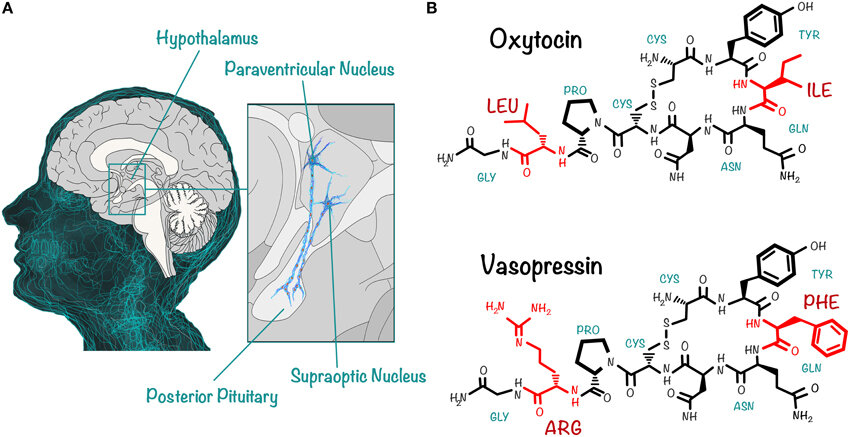
Emotional bonds feel magical, but they are deeply rooted in our biology. Specific neurochemicals and brain circuits work in concert to create the feelings of attachment and closeness we share with partners and children. At the heart of this process is a hormone often called the 'love drug' or 'bonding hormone': oxytocin.
Oxytocin
noun
A hormone and neurotransmitter produced in the hypothalamus and released by the posterior pituitary gland. It plays a crucial role in social bonding, sexual reproduction, childbirth, and the period after childbirth.
When a woman engages in activities like hugging, sexual intimacy, or breastfeeding, her brain releases a surge of oxytocin. This hormone acts on key areas of the brain, including the limbic system—the emotional centre. It reduces anxiety, promotes feelings of trust, and enhances empathy, making her more attuned to the needs and emotions of the person she is with. Think of it as a biological signal that says, 'This person is safe; it's good to be close.' While oxytocin often takes the spotlight, its close chemical cousin, vasopressin, also plays a role. In females, vasopressin is linked more to protective behaviours and arousal, working alongside oxytocin to solidify a bond.
The Reward of Closeness
Bonding isn't just about feeling calm and safe; it's also about feeling good. This is where the brain's reward system comes in. The mesocorticolimbic pathway is a crucial circuit that processes rewarding experiences, from eating delicious food to achieving a goal. In the context of attachment, this pathway learns to associate sensory cues from a loved one—their smell, the sound of their voice, the sight of their face—with a rush of pleasure.
This process is driven by the neurotransmitter dopamine. The starting point for this pathway is the Ventral Tegmental Area (VTA), a small group of neurons in the midbrain. When you interact with a loved one, the VTA releases dopamine into other brain regions, particularly the nucleus accumbens (involved in pleasure and motivation) and the prefrontal cortex (involved in planning and social behaviour). This dopamine signal essentially teaches your brain: 'This person is a source of reward. Seek them out.' This is why being separated from a partner or child can feel so distressing—your brain is missing its expected reward.
Many scientific studies support the idea that oxytocin is a major biological mechanism underlying the emotions of empathy and the formation of bonds between humans.
Tuning the Bond
Not everyone forms attachments with the same intensity or speed. Part of this variation comes down to individual differences in neurobiology. The brain's sensitivity to oxytocin and dopamine depends on the number and distribution of their corresponding receptors. A person with a higher density of oxytocin receptors in the nucleus accumbens, for example, might experience a more profound sense of reward and pleasure from social bonding. These variations can be influenced by genetics, early life experiences, and even current hormonal states. This means that our capacity for bonding is not a fixed trait but a dynamic process shaped by a combination of nature and nurture. Someone might find that their desire for closeness and their bonding experiences change over their lifetime, reflecting ongoing shifts in their own unique neurochemical landscape.
What is the primary hormone often referred to as the 'love drug' or 'bonding hormone' due to its role in promoting trust and closeness?
The feeling of distress during separation from a loved one is primarily because the brain is missing an expected reward. Which neurotransmitter is central to this reward process?
Our emotional connections are powerfully shaped by a sophisticated interplay of hormones and neural circuits, turning feelings of love and attachment into a tangible biological reality.