Female Characters in 'The Way of the World'
Social Constraints
The Rules of the Game
To understand the sharp wit and high-stakes maneuvering in William Congreve's play, The Way of the World, you first need to understand the world it was set in. For the women of London in 1700, life was a game with very strict rules, especially when it came to marriage, money, and reputation. Their choices were heavily constrained by a socio-legal framework that dictated their wealth and social standing. The clever dialogue and elaborate schemes in the play aren't just for show; they are the characters' weapons for navigating a restrictive reality.
Marriage as a Business
In the Restoration era, marriage for the upper classes was less a matter of the heart and more a strategic merger. A woman's primary value on the marriage market was tied to her dowry and her family connections. But the most critical legal doctrine shaping a woman's life was coverture—a principle that essentially erased her legal and economic identity upon marriage.
coverture
noun
A legal doctrine in English common law in which a married woman's legal rights and obligations were subsumed by those of her husband.
Once a woman said "I do," her property, any wages she earned, and her very legal existence were absorbed by her husband. He became her owner in the eyes of the law. This made the choice of a husband a momentous financial decision. Marrying the wrong man didn't just mean unhappiness; it could mean financial ruin with no legal way out. This is why the characters in the play are so obsessed with securing a favorable match.
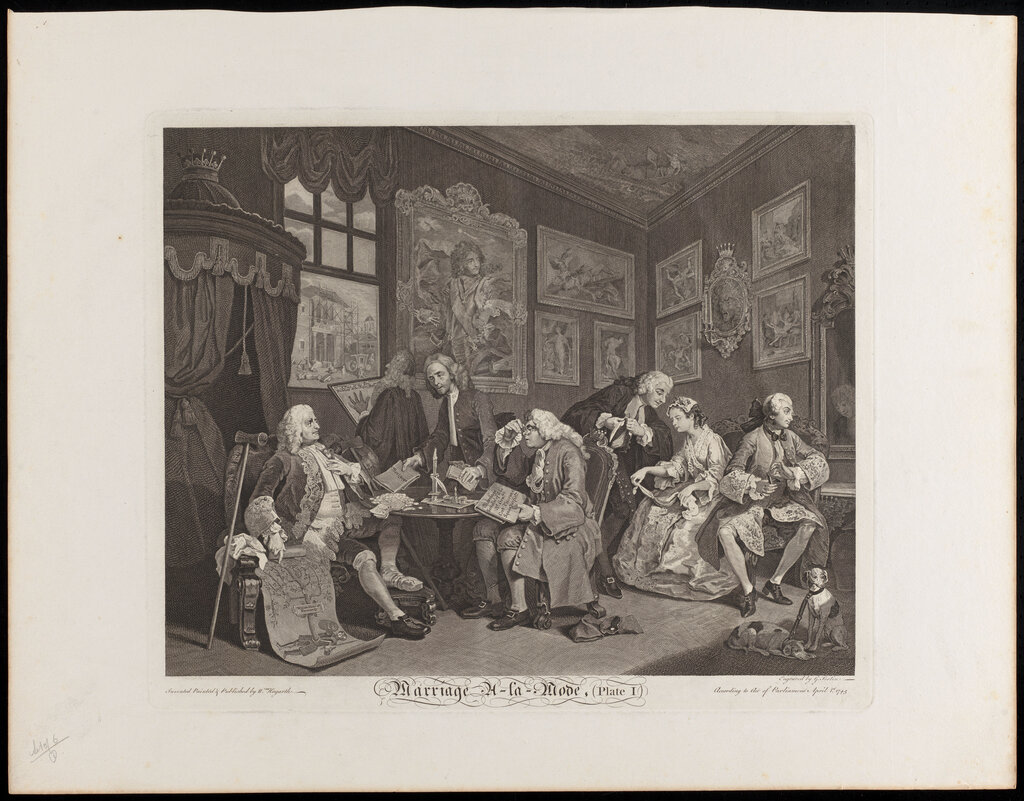
The one significant protection a woman could secure was a , a legal agreement that guaranteed her a certain income or portion of her husband's estate if she were widowed. This provision was negotiated before the marriage. For a character like Lady Wishfort, a wealthy widow, her control over her own fortune and her jointure makes her a powerful, independent player, but also a target for fortune hunters. For a young heiress like Millamant, negotiating a good marriage contract isn't just about love—it's about protecting her future financial independence from the automatic grip of coverture.
The Reputation Economy
If money and property were one side of the coin, reputation was the other. In what we can call a , a woman’s honor and public image were her most valuable, yet most fragile, assets. A whisper of scandal, true or not, could shatter her marriage prospects and lead to social ostracism. A ruined reputation meant a woman was 'damaged goods,' making it impossible to secure a husband of equal or higher social standing.
This intense social pressure is why characters are constantly engaged in verbal battles, witty put-downs, and elaborate deceptions. They are fighting to control their own narratives in a world where gossip can be as powerful as a legal document.
Millamant's famous 'proviso' scene with Mirabell, where she lays out the conditions for their marriage, is a brilliant example of this. She isn't just being difficult; she is cleverly negotiating the terms of her future life, attempting to carve out personal freedom within the rigid confines of marriage. She uses her wit and desirability to force a contract that preserves some of her independence. Lady Wishfort's desperation to protect her reputation, even as she secretly desires a new husband, highlights the precarious position of an older, unmarried woman. Her fear of being exposed as foolish or immoral is a fear of losing her social standing and becoming a laughingstock.
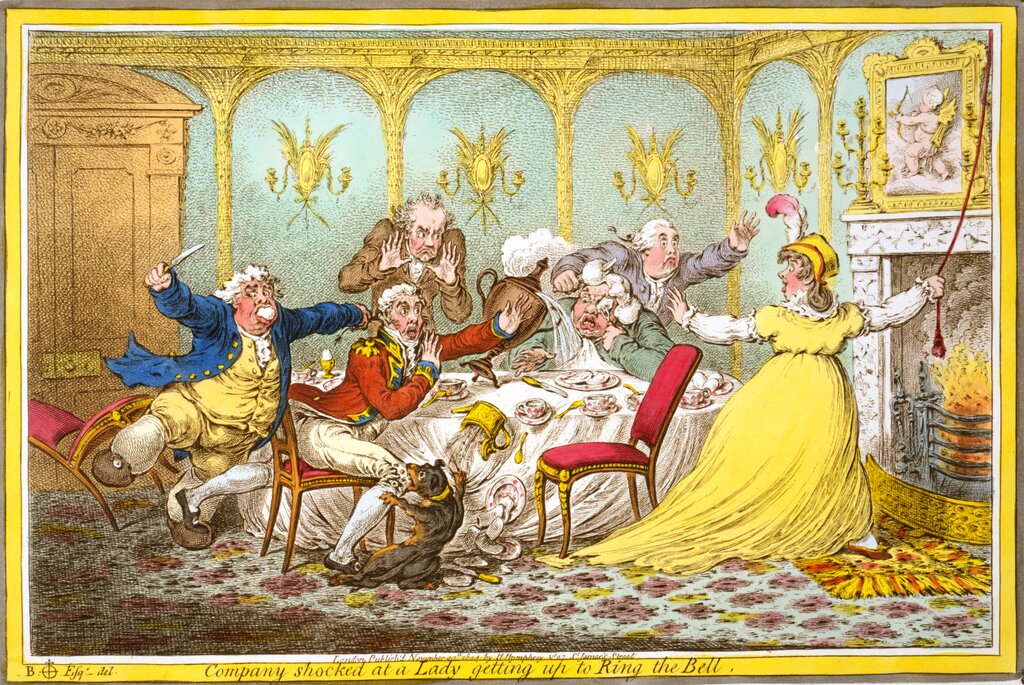
Understanding these rules—coverture, jointure, and the power of reputation—is the key to unlocking The Way of the World. The characters' verbal sparring is not just idle banter. It is a high-stakes negotiation for love, freedom, and fortune in a world designed to limit them.
What is the legal principle of 'coverture' as it applied to women in the 18th century?
In the context of 'The Way of the World', why was a woman's reputation considered such a critical asset?