FEMA NIMS and ICS Fundamentals
Introduction to NIMS
A Common Language for Crisis
When a disaster strikes, whether it's a hurricane, a wildfire, or a public health crisis, a flurry of activity begins. Firefighters, police, medical teams, and government agencies all rush to help. But how do they all work together without getting in each other's way? How does a local fire department from one state effectively coordinate with a federal medical team from another?
They use a shared playbook called the National Incident Management System, or NIMS. Think of it as the operating system for emergency response. It provides a consistent framework and common language, ensuring that everyone involved in an incident—from the smallest town to the federal government—is on the same page.
NIMS
noun
A standardized approach to incident management that enables all levels of government, nongovernmental organizations (NGOs), and the private sector to work together to manage all types of incidents.
The core purpose of NIMS is to make sure that when it matters most, responders can focus on the mission, not on figuring out who is in charge or how to ask for help. It establishes standard procedures for managing personnel, facilities, equipment, and communications. This systematic approach allows for seamless collaboration and helps responders manage incidents of any size or complexity.
Born from Necessity
The need for a unified national system became painfully clear after the terrorist attacks of September 11, 2001. During the response, different agencies struggled to communicate and coordinate effectively. They often used different terminology, had incompatible equipment, and followed conflicting command structures.
These challenges highlighted a critical gap in national preparedness. In response, Homeland Security Presidential Directive 5 (HSPD-5) was issued in 2003. It directed the Department of Homeland Security to develop and administer a national system to improve incident management. The result was NIMS, first released in 2004.
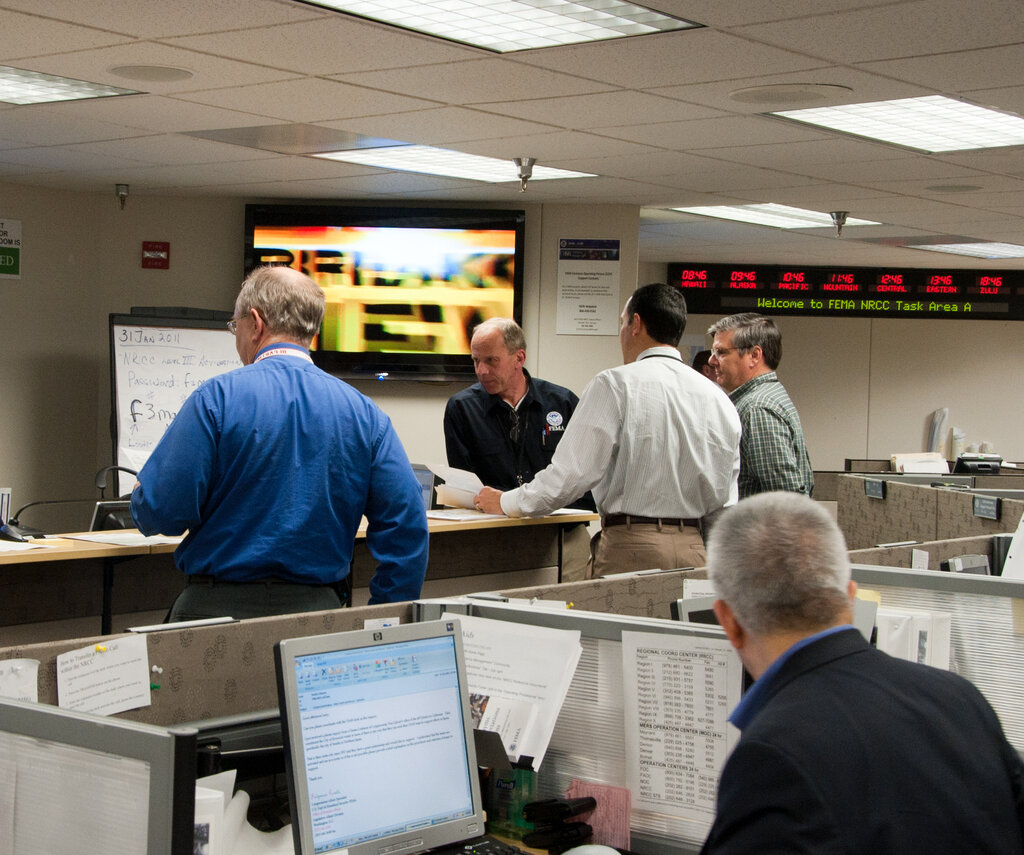
NIMS wasn't built from scratch. It incorporated best practices from existing systems, particularly the Incident Command System (ICS) developed in the 1970s to manage wildfires in California. By integrating these proven methods into a comprehensive national framework, NIMS provided a tool that could be used for any type of hazard, anywhere in the country.
The Core Components
NIMS is built around several key components that work together to create a complete incident management system. While we'll explore some of these in more detail later, it's helpful to understand the basic building blocks.
| Component | Purpose |
|---|---|
| Command & Management | Establishes standard incident command structures, like the Incident Command System (ICS). |
| Preparedness | Covers all the things we do before an incident, like planning, training, and exercises. |
| Resource Management | Provides a standard way to identify, order, and track resources like personnel and equipment. |
| Communications & Information | Ensures that all responders can communicate and that information flows effectively. |
| Ongoing Management | Describes the system for maintaining and continuously improving NIMS itself. |
These elements provide the foundation for a truly national approach to emergency management. By standardizing these key areas, NIMS ensures that when a community's resources are overwhelmed and help arrives from outside, everyone can plug in and work together efficiently. The goal is simple: a faster, more effective response to save lives and protect communities.
What is the primary purpose of the National Incident Management System (NIMS)?
The development and implementation of NIMS was directed by which presidential directive?