Fed Rate Cuts Your Wallet
Interest Rate Basics
What Are Interest Rates?
Think of interest as the fee for borrowing money. If you take out a loan, you pay interest. If you deposit money in a savings account, the bank pays you interest. It works both ways.
The interest rate is just that fee expressed as a percentage. It’s the price of using someone else’s money for a period of time. For borrowers, it's the cost of getting cash now. For savers, it's the reward for letting someone else, like a bank, use their money.
For example, if you borrow 💲100 at a 5% annual interest rate, you'll owe 💲105 at the end of the year. The extra 💲5 is the interest. Conversely, if you save 💲100 in an account with a 2% annual interest rate, you'll have 💲102 after a year.
The Price of Money
In a broad sense, interest rates are the price of money. Like any price, they are influenced by supply and demand. When lots of people and businesses want to borrow money (high demand), rates tend to go up. When fewer want to borrow (low demand), or when there's a lot of money available to lend (high supply), rates tend to go down.
This price signal has a huge impact on the economy. High interest rates encourage saving and discourage borrowing. This can slow down economic activity because businesses might postpone building a new factory, and individuals might put off buying a house or car.
Low interest rates do the opposite. They encourage borrowing and spending, which can stimulate the economy. Businesses are more likely to invest and expand, and consumers are more likely to make big purchases on credit.
Nominal vs. Real Rates
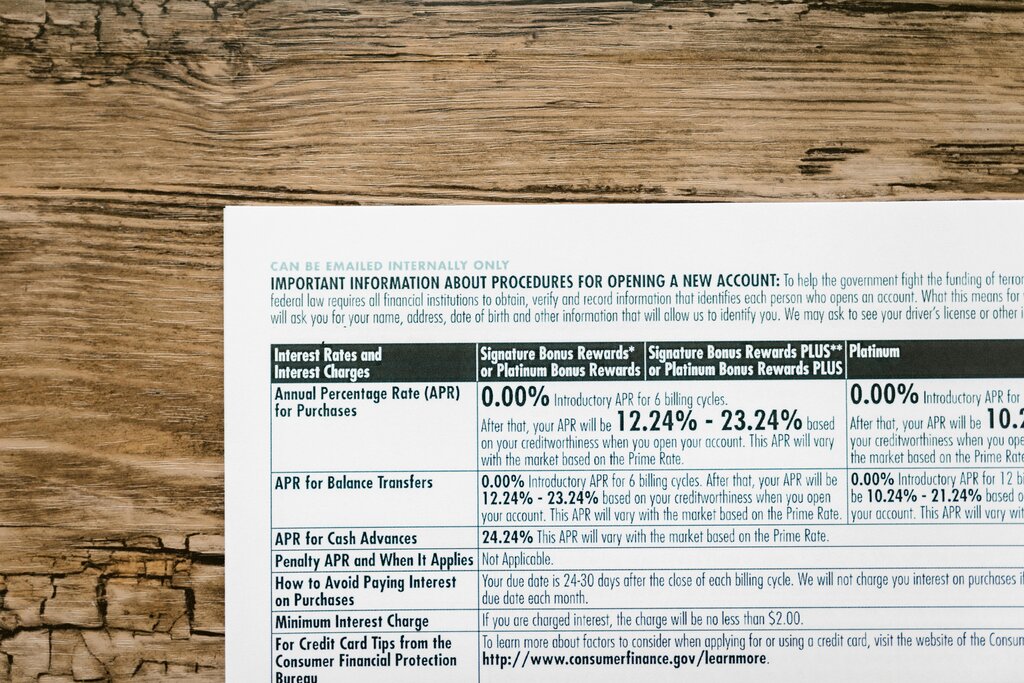
The interest rate you see advertised by a bank is the nominal interest rate. It’s the stated, surface-level rate of interest on a loan or savings account, without accounting for any other factors.
But the nominal rate doesn't tell the whole story. To understand the true return on your savings or the real cost of a loan, you need to consider inflation. Inflation is the rate at which the general level of prices for goods and services rises, which reduces the purchasing power of money.
The real interest rate adjusts for inflation. It gives you a clearer picture of how much your money is actually growing (or shrinking) in terms of what it can buy.
Let's say your savings account offers a 3% nominal interest rate. If inflation for the year is 2%, your real interest rate is only 1%. Your money has grown, but its purchasing power has only increased by 1%.
What if inflation is 4%? In that case, your real interest rate is -1%. Even though your account balance went up by 3%, your ability to buy things with that money actually decreased because prices rose faster than your savings grew.
Understanding this distinction is crucial for making smart financial decisions. It helps you see beyond the advertised numbers to grasp the true financial impact.
Time to check your understanding.
From the perspective of a borrower, what does an interest rate represent?
If a country's central bank significantly lowers interest rates, what is the most likely intended effect?
Now that you have a handle on the basics, you're ready to see how key interest rates are set and how they ripple through the entire economy.