Fed Rate Cuts: Personal and Business Impacts
Impact on Borrowing
When Borrowing Gets Cheaper
When the Federal Reserve cuts its key interest rate, it's like a starting gun for lower borrowing costs across the economy. This decision doesn't just affect big banks; it ripples down to individuals and businesses, changing the math on everything from buying a car to expanding a company. A rate cut is a signal that the Fed wants to encourage spending and investment by making money less expensive to borrow.
By lowering this rate, the Fed can help spur borrowing and spending to manage inflation and influence the economy.
The effects are widespread, but they aren't always immediate or identical for every type of loan. Understanding how this works can help you make smarter financial decisions.
Mortgages and Home Loans
One of the biggest impacts of a Fed rate cut is felt in the housing market. While the federal funds rate and mortgage rates are not the same thing, they are closely linked. When the Fed lowers rates, it becomes cheaper for banks to borrow money, and they often pass those savings on to consumers in the form of lower mortgage rates.
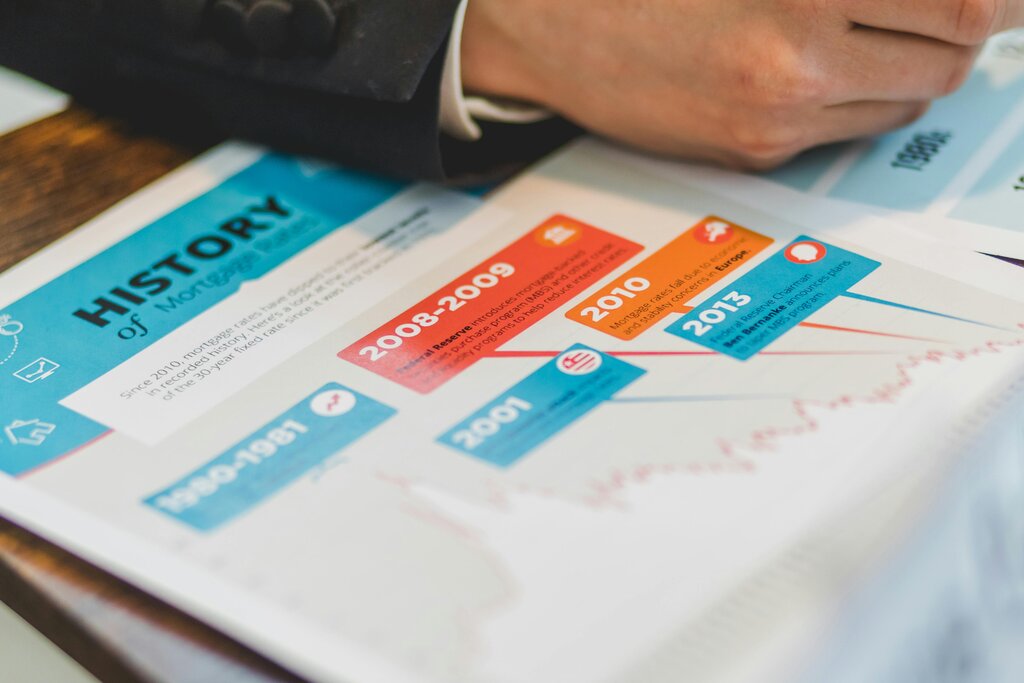
This can make buying a home more affordable. A lower interest rate on a 30-year mortgage can translate into a significantly lower monthly payment, saving a homeowner thousands of dollars over the life of the loan.
For example, on a 💲300,000 mortgage, a drop in the interest rate from 7% to 6% can reduce the monthly payment by nearly 💲200.
This is also great news for existing homeowners. A drop in rates creates a powerful opportunity to refinance. By replacing an old mortgage with a new one at a lower rate, homeowners can reduce their monthly payments or shorten the term of their loan.
Lower interest rates offer a prime opportunity to refinance existing loans, potentially reducing monthly payments and the overall cost of borrowing.
Consumer and Business Loans
The ripple effect of a rate cut extends to other types of borrowing, like personal loans, auto loans, and business loans. Many of these financial products, especially credit cards, have variable interest rates. These rates are often tied to the prime rate, which is the interest rate banks charge their most creditworthy customers. The prime rate moves in lockstep with the Fed's rate.
When the Fed cuts rates, the prime rate almost always follows. This means the interest on your variable-rate loans can go down automatically, reducing your payments without you having to do anything. For new loans, the advertised rates become more attractive, making it a better time to finance a large purchase.
Businesses also benefit significantly. Lower rates make it cheaper for companies to take out loans to invest in new equipment, open new locations, or hire more employees. This can stimulate growth and create jobs, which is one of the Fed's primary goals when it cuts rates.
This is one of the ways the Federal Reserve can influence economic activity — with low rates, businesses can borrow more, expand more and hire more people.
In essence, a rate cut acts like a discount on debt. It encourages both people and companies to borrow and spend, helping to energize the economy. While your own credit score and financial situation always play a role, the Fed's actions set the overall tone for borrowing costs.
What is the primary goal of the Federal Reserve when it cuts its key interest rate?
When the Fed cuts rates, the interest on variable-rate loans, like credit cards, can go down automatically. Why does this happen?
Rate cuts from the Fed send a clear signal through the financial system, making it a key factor to watch when you're considering taking on debt.