Fatima al-Fihri Pioneer of Education
Introduction to Fatima al-Fihri
A Vision in Fez
In the early 9th century, a young woman named Fatima al-Fihri moved with her family from Kairouan, in modern-day Tunisia, to Fez, Morocco. Her father, Mohammed al-Fihri, was a successful merchant, and the family was part of a wave of migrants seeking new opportunities in the bustling Moroccan city.
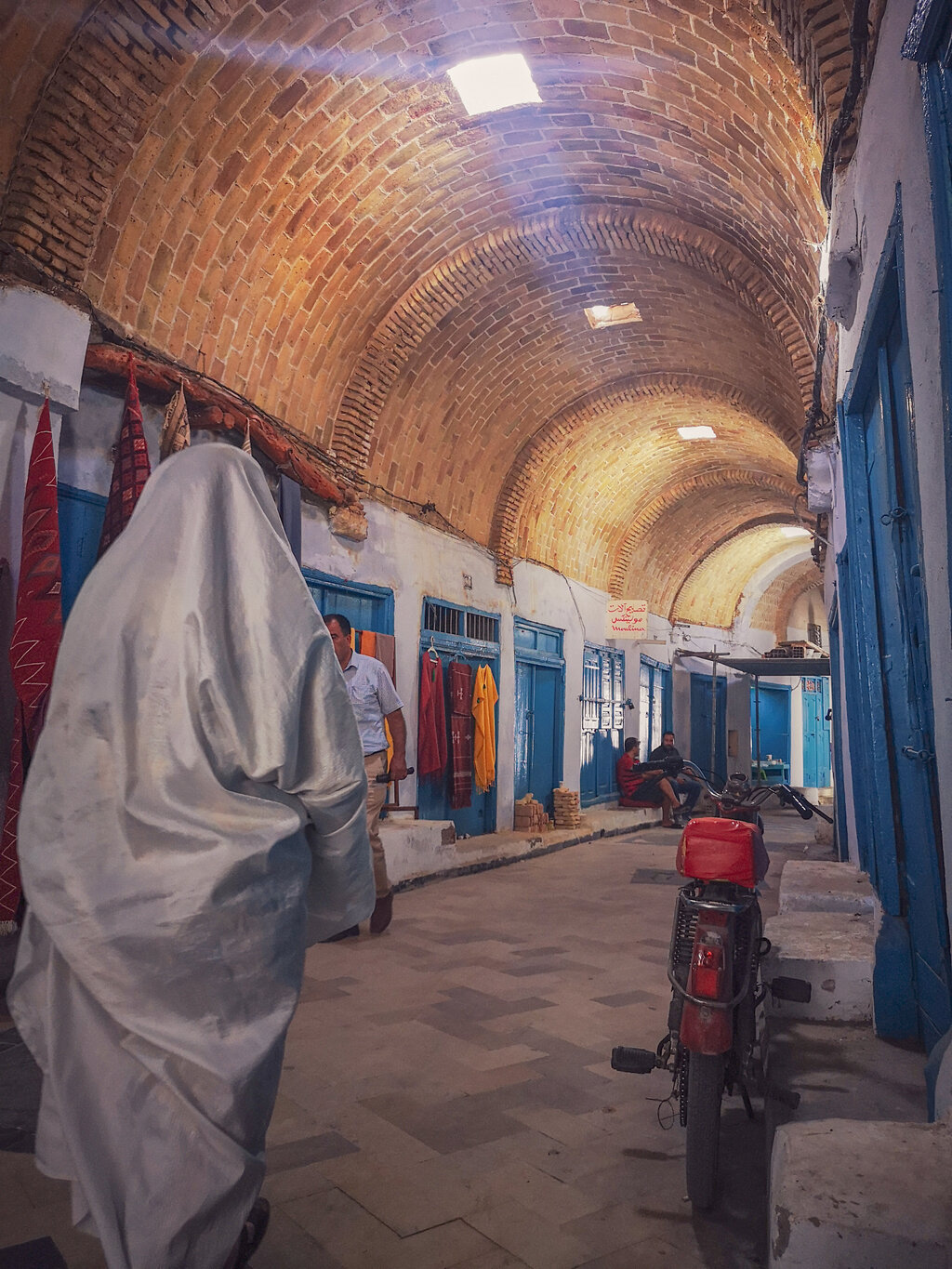
Fez at that time was a vibrant and rapidly growing metropolis. Under the Idrisid dynasty, it had become a major center of commerce, culture, and religious life in the Maghreb. The city was a melting pot, attracting artisans, scholars, and traders from across the region. This dynamic environment, full of both challenges and possibilities, would shape Fatima's future.
From Inheritance to Legacy
As the years passed, Fatima and her sister, Mariam, inherited a great fortune from their father. They were both well-educated and deeply devout. Rather than spend their wealth on personal comfort, they chose to invest it back into their adopted city.
Fatima noticed a pressing need in her community. The population of Fez had swelled, and the existing mosques were too small to accommodate the growing number of worshippers. She envisioned a grand mosque that would not only serve the spiritual needs of the people but also function as a center for learning and community gathering.
Her goal was to build a space large enough for the entire community, dedicated to worship and education.
In 859 CE, Fatima used her entire inheritance to purchase land and begin construction of the Al-Qarawiyyin Mosque, named in honor of the immigrants from her hometown of Kairouan. She personally oversaw the project, reportedly fasting from the first day of construction until its completion. This act was one of immense piety and civic dedication, meant to create a lasting institution for the public good.
Women as Patrons
While the 9th-century Islamic world was largely patriarchal, Fatima al-Fihri’s story shows that women were not entirely excluded from public life. Islamic law granted women the right to inherit and own property, giving them a degree of financial independence. For women of means, one of the most respected ways to use their wealth was through philanthropy.
Sponsoring the construction of mosques, schools, and fountains was a significant act of piety. Fatima's work on the Al-Qarawiyyin complex was an exceptional example of this tradition. Her contribution was not just a donation; it was a visionary project that she personally guided, creating an institution that would shape intellectual history for centuries.
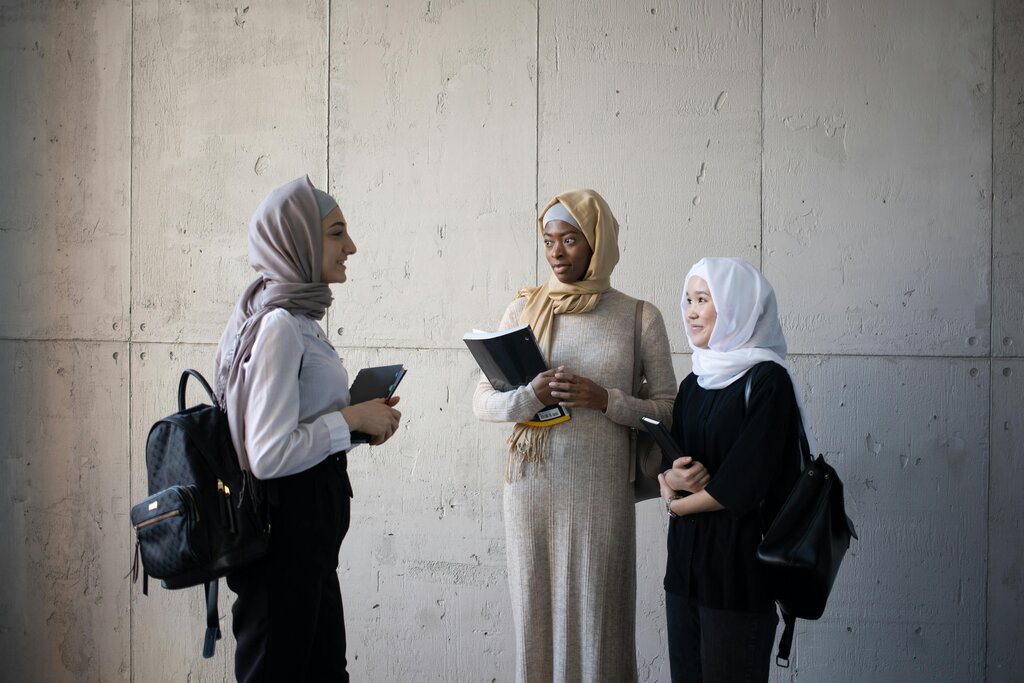
The mosque she founded eventually grew into the University of Al-Qarawiyyin, recognized by many historians as the oldest continuously operating, degree-granting university in the world. Fatima's legacy demonstrates the powerful impact an individual with vision and determination can have on their society, regardless of their gender.
Now, let's test your understanding of Fatima al-Fihri's life and the world she lived in.
Where did Fatima al-Fihri and her family migrate from before settling in Fez?
What was the primary motivation behind Fatima al-Fihri's decision to build a new mosque?
Her dedication created an enduring center for faith and knowledge.