Fat-Soluble Vitamins Explained
Introduction to Fat-Soluble Vitamins
The Fat-Soluble Family
Vitamins are essential nutrients our bodies need to function correctly. They fall into two main groups based on how they dissolve and are absorbed: water-soluble and fat-soluble.
The fat-soluble vitamins are A, D, E, and K. As the name suggests, they dissolve in fats and oils. This simple fact dictates how they're absorbed, transported, and stored in your body, which is quite different from their water-soluble cousins like Vitamin C and the B vitamins.
Absorption and Transport
For your body to absorb fat-soluble vitamins from food, dietary fat must be present. When you eat a meal containing fats and these vitamins, bile from your liver helps emulsify the fat, breaking it into smaller droplets. Digestive enzymes then break down the fats, and the vitamins are absorbed along with them into the intestinal walls.
Certain nutrients, such as fat-soluble vitamins and carotenoids, need fat in order to be absorbed by the body.
Think of it like this: the vitamins need a ride. Fat acts as the vehicle that carries them from your gut into your bloodstream.
Once absorbed, they are packaged into particles called chylomicrons. These particles travel through the lymphatic system first—a network of tissues and organs that helps rid the body of toxins—before entering the main bloodstream. From there, special carrier proteins bind to them and transport them to various cells throughout the body.
Storage and Safety
Unlike water-soluble vitamins, which your body generally excretes in urine if you consume too much, fat-soluble vitamins can be stored for later use. The primary storage sites are your liver and adipose (fat) tissue.
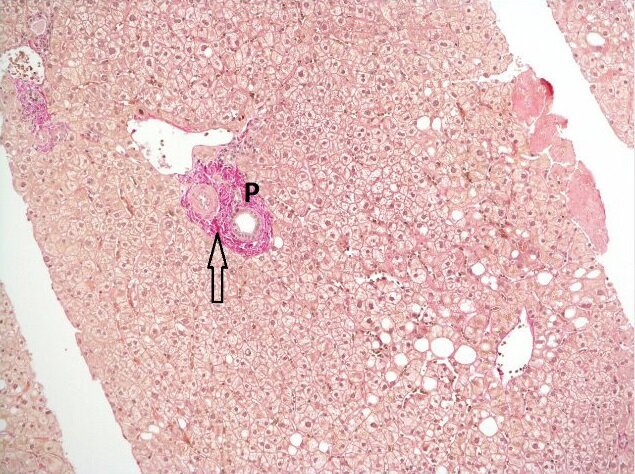
This storage capability means you don't necessarily need to consume these vitamins every day. Your body can maintain a reserve to draw upon when needed.
However, this also means there's a higher risk of toxicity. Because they are stored and not easily flushed out, consuming excessively high amounts of fat-soluble vitamins, particularly from supplements, can cause them to accumulate to harmful levels. It's a key reason why following dosage recommendations is so important.
General Roles
While each fat-soluble vitamin has unique and specific functions, they collectively play vital roles in many of the body's systems. They are crucial for maintaining vision, supporting bone health, providing antioxidant protection against cell damage, and ensuring proper blood clotting.
Understanding these fundamentals—how they're absorbed with fat, stored in the body, and their potential for toxicity—is the first step to appreciating their importance in your health.