Fat-Soluble Vitamins Essentials
Introduction to Fat-Soluble Vitamins
The Two Vitamin Families
Vitamins are essential nutrients your body needs to function properly. Think of them as tiny helpers that enable hundreds of processes, from fighting infections to building bones. But not all vitamins behave the same way. They fall into two main families based on how they dissolve and are handled by your body: water-soluble and fat-soluble.
There are two main types of vitamins: fat-soluble vitamins and water-soluble vitamins.
As their name suggests, water-soluble vitamins (like Vitamin C and the B vitamins) dissolve in water. Fat-soluble vitamins, on the other hand, do not. The four fat-soluble vitamins are A, D, E, and K.
How They Get In and Stick Around
The key to understanding fat-soluble vitamins is in their name. They need fat to be absorbed by your body. When you eat a meal containing fats, these vitamins hitch a ride. The fat helps carry them through the wall of your small intestine and into your bloodstream.
Fat-soluble vitamins (A, D, E, K) absorb best with dietary fats during a meal.
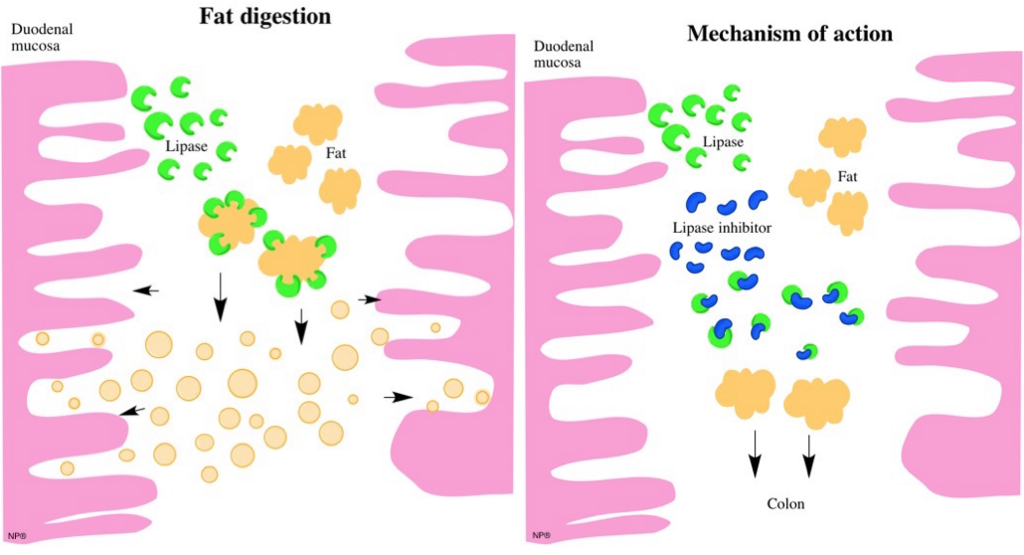
Once inside, fat-soluble vitamins don't just pass through. Unlike their water-soluble cousins, which are generally flushed out if you take in more than you need, fat-soluble vitamins can be stored for later use. Your body keeps reserves of them in your liver and fatty tissues.
This storage capacity is useful because you don't need to consume these vitamins every single day. However, it also means they can accumulate in your body.
Because they are stored, fat-soluble vitamins can build up to harmful levels if you consume too much, a condition known as hypervitaminosis.
Fat vs. Water Soluble
The difference between these two vitamin families has important implications for how your body uses them. Water-soluble vitamins travel freely through your body, and whatever isn't used is typically excreted by the kidneys in your urine. This makes them less likely to cause harm, even in large doses.
Fat-soluble vitamins require protein carriers to move through the bloodstream and are stored long-term. This fundamental difference in how they are absorbed, transported, stored, and excreted is what sets them apart.
| Feature | Fat-Soluble Vitamins (A, D, E, K) | Water-Soluble Vitamins (B-complex, C) |
|---|---|---|
| Solubility | Dissolve in fat | Dissolve in water |
| Absorption | Requires dietary fat | Absorbed easily with water |
| Storage | Stored in the liver and fatty tissues | Not stored in large amounts |
| Excretion | Not easily excreted; can build up | Excess is typically removed in urine |
| Toxicity Risk | Higher risk if taken in excess | Lower risk of toxicity |
Now, let's test your knowledge on these vitamin types.
Which of the following is a fat-soluble vitamin?
What is essential in the diet for the body to properly absorb fat-soluble vitamins?
Understanding how your body absorbs and stores different vitamins is the first step in appreciating their unique roles in keeping you healthy.