Fasting for Women Aged 35-36
Introduction to Fasting
What Is Fasting?
At its core, fasting is simple: it's the voluntary decision to not eat for a period of time. This isn't about starving; it's about creating a deliberate window without food. For most of human history, fasting wasn't a choice. Food was often scarce, and our bodies adapted to function well during periods without eating. Today, people fast for many reasons, from spiritual practices to health goals.
Fasting
noun
The voluntary abstention from consuming food, and sometimes drink, for a specific period.
While the basic idea is straightforward, there are several ways to practice fasting. The methods mainly differ in how long you fast and how often.
Many diets focus on what to eat, but intermittent fasting is all about when you eat.
Here are a few common approaches:
- Time-Restricted Eating (TRE): This is one of the most popular forms of intermittent fasting. You eat all your meals within a specific window each day, such as 8 or 10 hours, and fast for the remaining 14 to 16 hours. For example, you might eat only between 10 a.m. and 6 p.m.
- Alternate-Day Fasting: This involves fasting every other day. On fasting days, some people eat nothing at all, while others consume a very small number of calories (around 500).
- Prolonged Fasting: This refers to fasts that last longer than 24 hours. These can range from a full day to several days and are typically done less frequently.
A Practice Through Time
Fasting is far from a new health trend. It's a practice deeply woven into human history and culture. For millennia, it has been a central pillar of major world religions, including Christianity, Islam, Judaism, Buddhism, and Hinduism. In these contexts, fasting is often a tool for spiritual reflection, purification, and developing empathy for those in need.
Beyond religion, fasting was a natural part of life for our ancestors. Before refrigerators and 24-hour grocery stores, periods of scarcity were common. Humans evolved to not only survive but thrive by efficiently storing energy as body fat and using it when food wasn't available. This metabolic flexibility is a key part of our biological heritage.
How Your Body Responds
When you stop eating for a while, your body makes a crucial metabolic switch. Normally, your cells use glucose from carbohydrates as their primary fuel source. After about 12 hours without food, your stored glucose (called glycogen) starts to run low.
To keep everything running, your body turns to its fat stores. The liver begins breaking down fats into molecules called ketones, which most of your cells, including your brain, can use for energy. This shift from using glucose to using ketones is a fundamental aspect of the fasting state.
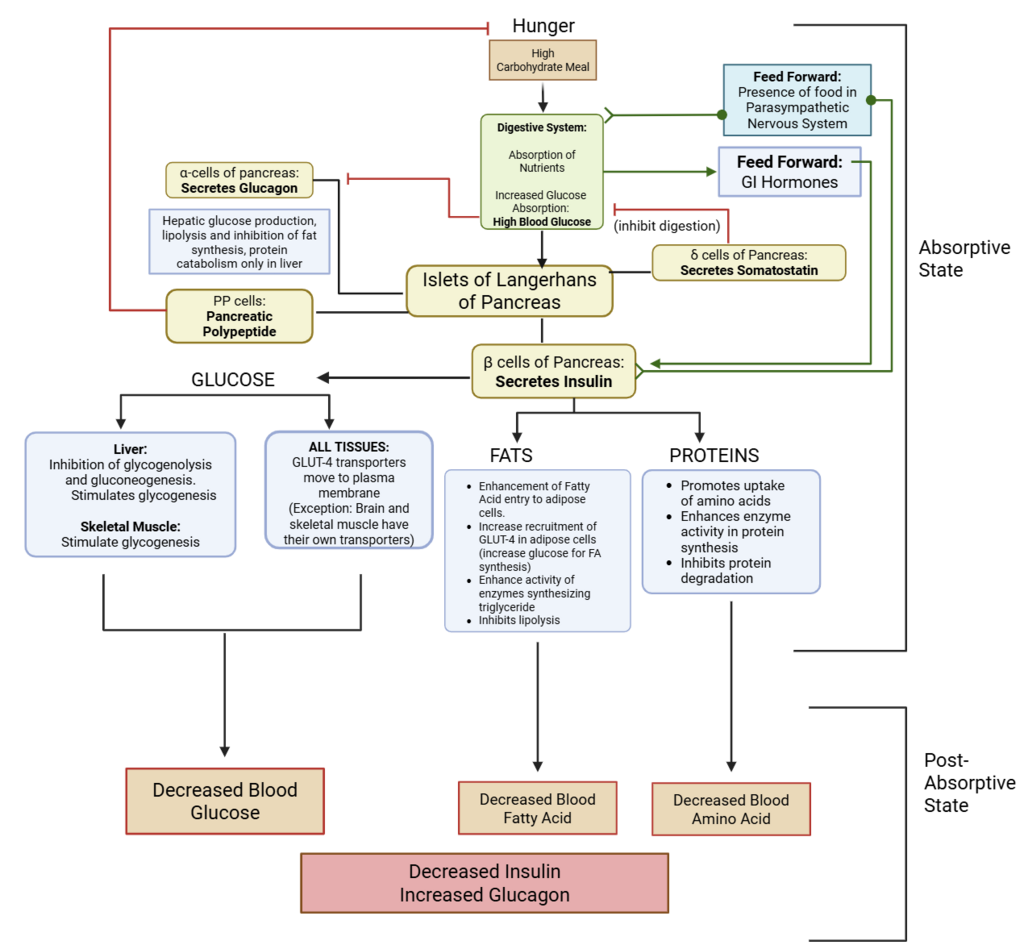
This metabolic change also triggers shifts in your hormones. One of the most important is a drop in insulin levels. Insulin is the hormone that tells your body to store energy. When insulin is low, it signals your body to start burning its stored fuel. Think of it like a key that unlocks your fat stores for use.
This is just a brief look at the general mechanics. The length and frequency of a fast can lead to different physiological responses, which we'll explore in more detail later.
Ready to check your understanding?
What is the fundamental concept of fasting as described in the text?
After about 12 hours without food, the body's primary fuel source shifts from glucose to what?
This foundational knowledge sets the stage for understanding how fasting can have different effects depending on an individual's unique physiology.