Fast Fashion's Global Footprint
Introduction to Fast Fashion
What Is Fast Fashion?
You see a style on a celebrity or a fashion runway, and just a few weeks later, a similar item appears in your favorite store for a fraction of the price. That's fast fashion in action. It's a business model focused on getting new clothing designs from the catwalk to the consumer as quickly and cheaply as possible.
fast fashion
noun
An approach to the design, creation, and marketing of clothing fashions that emphasizes making fashion trends quickly and cheaply available to consumers.
The core characteristics are speed and affordability. Instead of waiting for traditional spring/summer and fall/winter seasons, fast fashion retailers introduce new products multiple times a week. This creates a constant sense of novelty and encourages frequent shopping. The goal is to replicate high-fashion trends at a low cost, making them accessible to a mass market.
The model is simple: churn out clothes that are trendy, cheap, and disposable.
A Quick History
For most of the 20th century, the fashion industry followed a predictable schedule. Designers would showcase their collections months in advance, and it would take a long time for those styles to reach stores. This began to change in the 1990s and early 2000s.
Companies like Zara, H&M, and Forever 21 pioneered a new way of doing business. They invested heavily in technology and logistics to dramatically shorten the time between design and sale. Zara, for instance, became famous for its ability to take a garment from the design stage to the shop floor in just a few weeks.
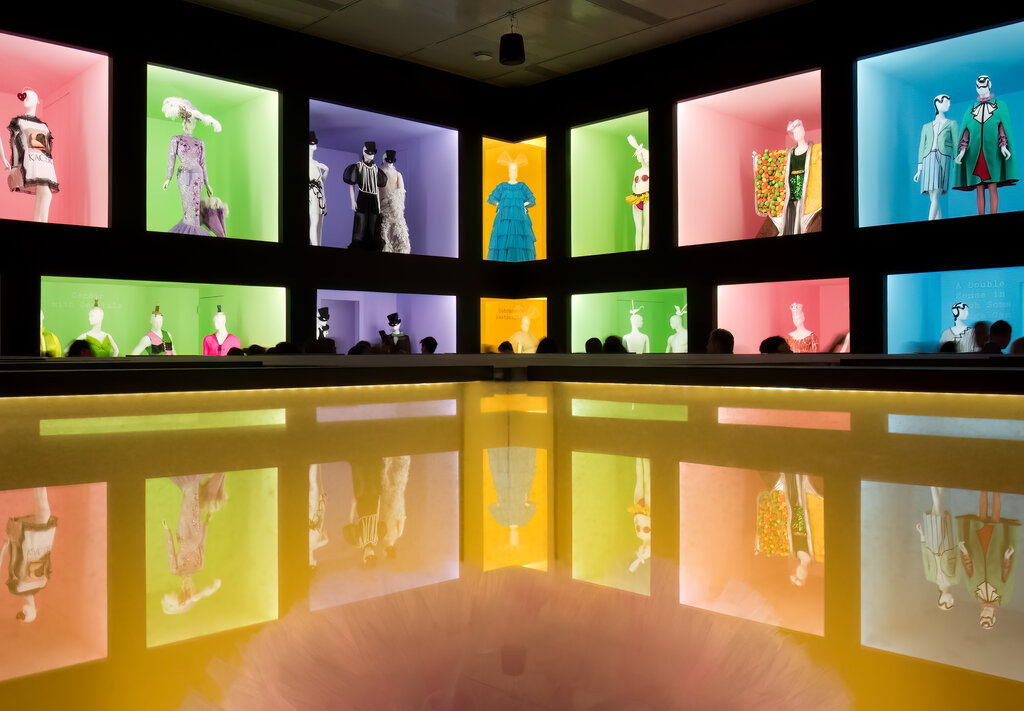
This new model was fueled by advancements in manufacturing and a growing global consumer culture. As shoppers became accustomed to a constant stream of new, affordable clothing, the industry accelerated to meet that demand, solidifying fast fashion's place in the market.
The Fashion Supply Chain
To understand how fast fashion works, you need to understand the supply chain. A supply chain is the entire network of people, companies, information, and resources that turn a raw material into a finished product for a customer. In fashion, this process has several key stages.
It starts with design, where trends are identified and new garments are conceptualized. Next is sourcing, which involves acquiring fabrics, buttons, zippers, and other raw materials. Then comes manufacturing, where the clothes are cut, sewn, and assembled, often in large factories.
Once the clothes are made, they enter distribution, getting shipped from factories to warehouses and then out to retail stores. Finally, in retail, the product is sold to the consumer.
Fast fashion brands excel at optimizing every step of this chain for speed. They might use data analytics to spot trends instantly, maintain close relationships with fabric suppliers, and locate their manufacturing facilities in places that reduce shipping times. This intricate, high-speed system is what allows a trend to move from a sketch to your closet in record time.
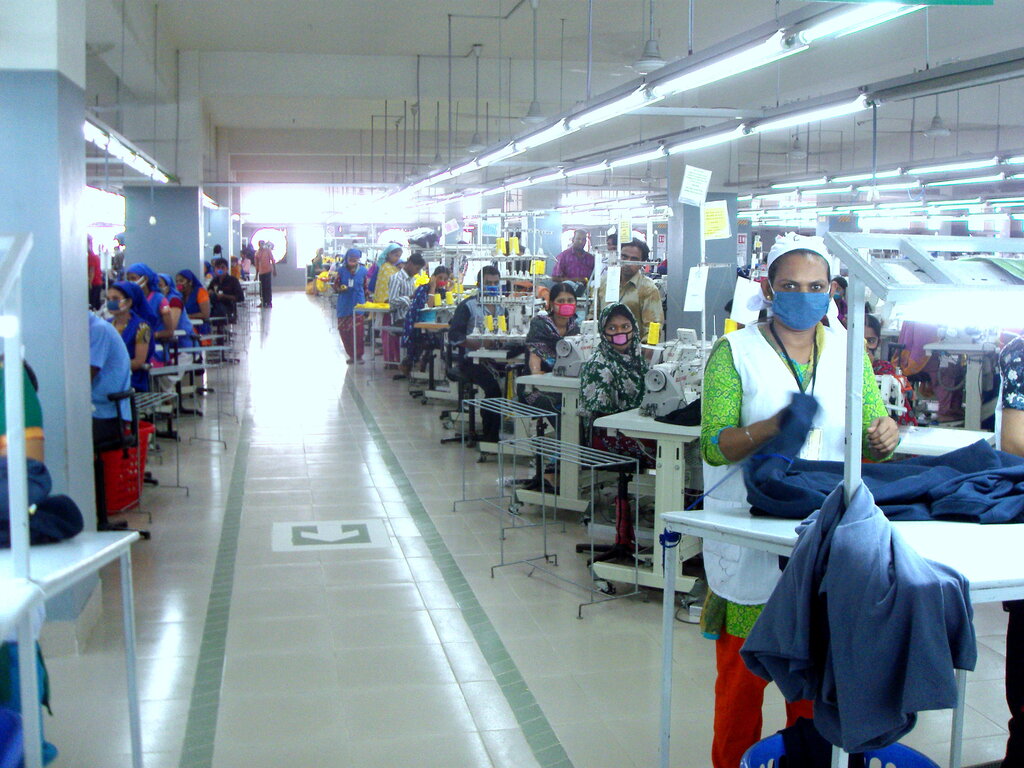
This complex global network allows for incredible speed and low prices, but it also raises important questions about the people who make our clothes. The efficiency of the system often comes at a cost.
Fast fashion supply chains are often criticized for poor labor practices, including low wages, unsafe working conditions, and excessive working hours.
Now, let's review what we've learned about the fundamentals of the fast fashion industry.
What are the two primary characteristics that define the fast fashion business model?
True or False: The fast fashion industry operates on the traditional spring/summer and fall/winter collection schedule.
Understanding the business model and the supply chain behind fast fashion is the first step. Next, we'll look more closely at the ethical questions that arise from this high-speed, low-cost system.