Fast Fashion's Ethical Footprint
Introduction to Fast Fashion
What Is Fast Fashion?
Fast fashion is a business model focused on making clothing quickly and cheaply. Instead of waiting for new seasons, fast fashion brands can take a style from the design stage to the store shelf in just a few weeks. The goal is to give consumers access to the latest trends at an affordable price, as soon as they appear on the runway or in popular culture.
Think of it like this: if traditional fashion is a carefully prepared meal at a restaurant, fast fashion is the grab-and-go option you can pick up anytime.
From Seasons to Speed
The way we buy clothes wasn't always this fast. For most of the 20th century, the fashion industry followed a predictable, seasonal calendar. Designers would release two main collections each year: one for Spring/Summer and another for Fall/Winter. Shoppers bought clothes for the upcoming season, and those styles were expected to last.
This began to change in the late 1990s and early 2000s. Advances in manufacturing and supply chain logistics allowed companies to produce clothes faster than ever. Brands realized they could offer more styles, more often, and capture the public's fleeting interest in new trends. The traditional four seasons gave way to dozens of "micro-seasons," with new items arriving in stores every week.
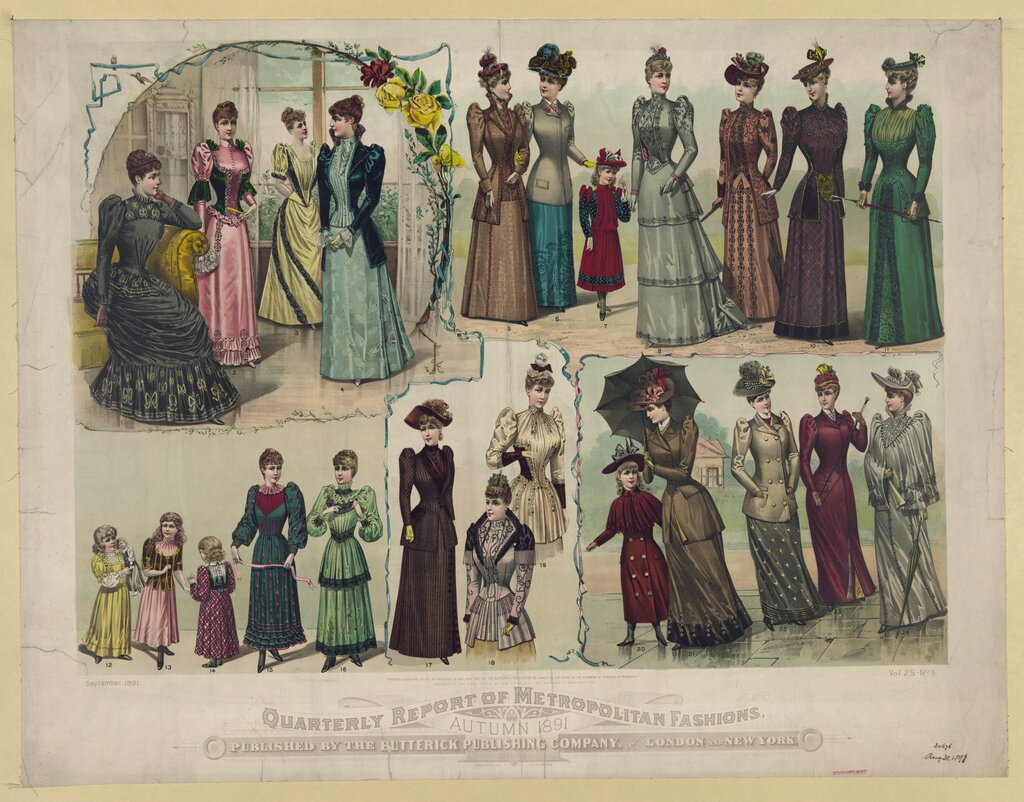
This shift created a new kind of shopping culture. Instead of saving up for a few quality pieces, consumers could now buy trendy items on impulse. The constant flow of new products encouraged more frequent shopping trips and a mindset of disposability.
The Fast Fashion Playbook
Fast fashion operates on a few key principles. First is the rapid turnaround of designs. Brands monitor runway shows and street style trends closely, quickly creating their own versions. Second is the continuous delivery of new products. This strategy, sometimes called "continuous replenishment," ensures there's always something new to see, creating a sense of urgency for shoppers.
Finally, and most importantly, is low-cost production. To keep prices down, brands use inexpensive materials and streamlined manufacturing processes. This combination of speed, variety, and affordability is what makes the model so powerful.
| Feature | Traditional Model | Fast Fashion Model |
|---|---|---|
| Production Cycle | 6-12 months | 2-6 weeks |
| Collections | 2-4 per year | 12-52 per year |
| Design Focus | Original, timeless | Trend-driven, immediate |
| Price Point | Higher | Lower |
Several brands have perfected this approach, each with its own twist on the formula.
Fast fashion churns out clothes fast and cheap.
Zara, a pioneer in the industry, is known for its agile supply chain. It produces many of its clothes in Spain and surrounding countries, allowing it to react to new trends in near real-time. It manufactures in small batches, so a popular item might sell out quickly, encouraging customers to buy it as soon as they see it.
H&M often partners with high-fashion designers for limited-edition collections, creating a sense of exclusivity and excitement around its affordable products. More recently, online retailers like Shein have taken this model to an extreme, creating what's often called "ultra-fast fashion." They use sophisticated data analysis to identify micro-trends and produce thousands of new styles every single day, testing them with consumers and scaling up production only on the most popular items.
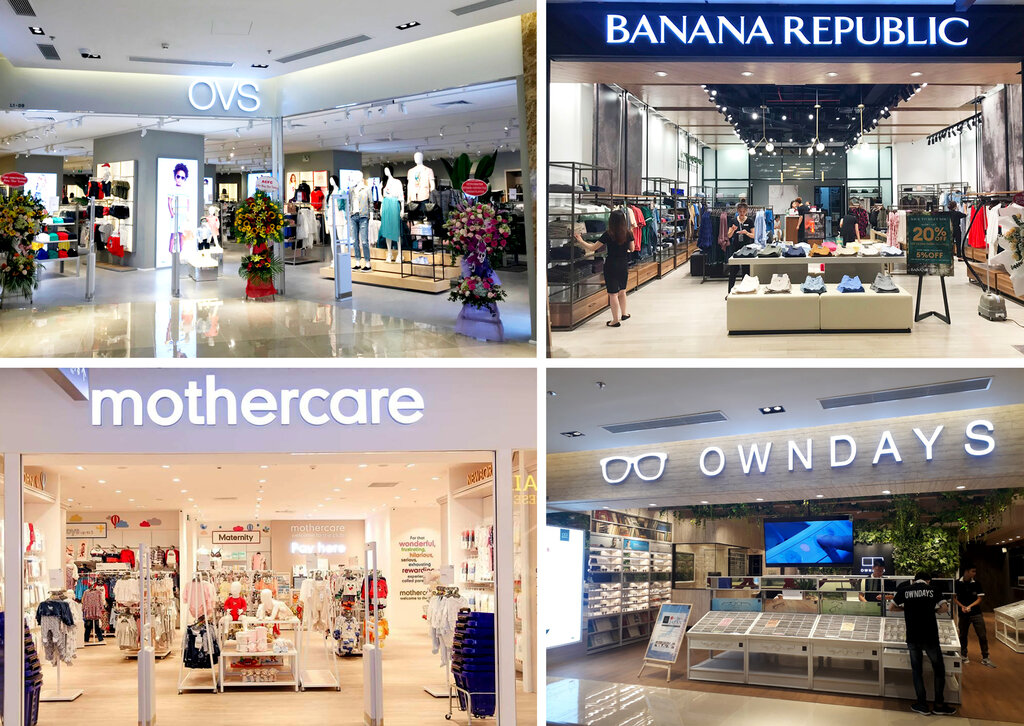
These business models all share a common DNA: speed, affordability, and a constant cycle of newness. This foundation has reshaped the fashion industry and our relationship with the clothes we wear.