Fast Fashion's Ethical Footprint
Introduction to Fast Fashion
What is Fast Fashion?
Think of the fashion industry like the food industry. For centuries, you had home cooking and traditional restaurants. They took time, used quality ingredients, and the menu didn't change very often. Then, fast food arrived. It was quick, cheap, and the menu was constantly updated with new items to keep you coming back.
Fast fashion is the clothing equivalent of fast food. It’s a business model focused on producing inexpensive clothing rapidly in response to the latest trends.
fast fashion
noun
An approach to the design, creation, and marketing of clothing fashions that emphasizes making fashion trends quickly and cheaply available to consumers.
Instead of waiting months for a new style to move from the runway to the store, fast fashion brands can design, produce, and stock a new item in a matter of weeks. This creates a constant cycle of newness, encouraging shoppers to buy more frequently to keep up with what's in vogue.
From Seasons to Micro-Seasons
It wasn't always like this. For most of the 20th century, the fashion world operated on a predictable, seasonal schedule. Designers would release two main collections a year: one for Spring/Summer and one for Fall/Winter. Clothing was often made with more durable materials, and people generally bought fewer, higher-quality pieces that were expected to last for years. Shopping was an occasional event, not a weekly hobby.
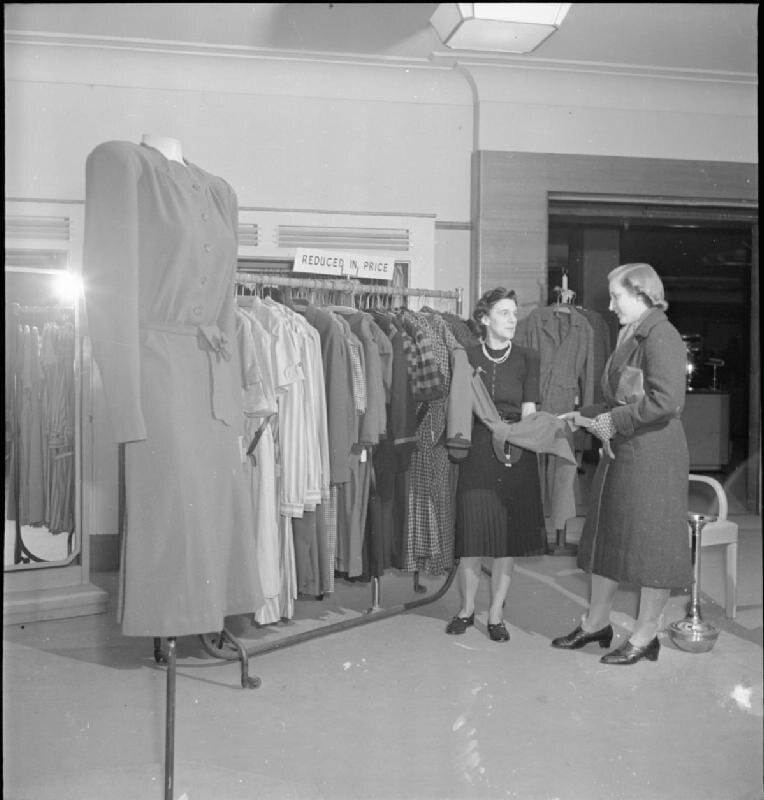
So what changed? A few key factors converged to create the perfect storm for fast fashion's rise, starting in the late 1990s and accelerating through the 2000s.
The Recipe for Speed
First, globalization allowed companies to move manufacturing to countries with lower labor costs, dramatically cutting the price of making clothes. Garment production, once a local industry in many Western countries, became a global enterprise.
Second, technological advancements supercharged the supply chain. New software made design and production planning faster. The internet and e-commerce meant brands could bypass traditional retail gatekeepers, market directly to consumers, and sell clothes 24/7. Suddenly, a trend spotted on a celebrity could be replicated and available online within weeks.
Finally, consumer behavior shifted. The rise of social media and influencer culture created an insatiable appetite for newness. People began seeing their clothes as disposable, wearing an outfit just a few times—or even just once for a photo—before moving on to the next trend. The low prices made this constant wardrobe churn possible.
The traditional two-season fashion calendar was replaced by 52 "micro-seasons" a year, with new items dropping in stores and online every single week.
How Fast Fashion Brands Work
Fast fashion companies have a distinct business model built for speed and volume. They keep a close eye on runway shows, celebrity styles, and social media trends, quickly creating low-cost versions of popular looks.
Many brands use a strategy of producing items in small batches. If an item sells out quickly, they rush to produce more. If it doesn't sell, they discontinue it and move on, minimizing the risk of being stuck with unwanted inventory. This creates a sense of urgency for the shopper: buy it now, or it might be gone forever.
| Feature | Traditional Fashion | Fast Fashion |
|---|---|---|
| Collections | 2-4 per year | 12-52 per year (weekly drops) |
| Design Cycle | 6-12 months | 2-6 weeks |
| Production | Large batches, ordered in advance | Small test batches, re-ordered if popular |
| Price Point | Higher, reflects quality and design | Low, encourages impulse buys |
| Shelf Life | Months or years | Weeks |
Their supply chains are optimized for agility. Some brands own their factories, giving them total control over production speed. Others work with a tight network of suppliers who can turn around orders in record time. The entire system is engineered to reduce the time it takes to get a piece of clothing from the design concept into the customer's hands.
Fast fashion is cheap for a reason.
Understanding this model—defined by its speed, low cost, and trend-driven nature—is the first step to grasping its broader effects.
Time to check your understanding.
What is the core principle of the fast fashion business model?
Before the rise of fast fashion, the industry was primarily characterized by two main seasonal collections per year.