Fast Fashion's Ethical Footprint
Introduction to Fast Fashion
The Need for Speed
Think about the last time you bought a piece of clothing. Did you see it on a celebrity or social media influencer one week and find a similar version in a store the next? Was it inexpensive enough that you could buy it without much thought? If so, you've likely encountered fast fashion.
Fast Fashion
noun
An approach to the design, creation, and marketing of clothing fashions that emphasizes making fashion trends quickly and cheaply available to consumers.
This business model is built on two pillars: speed and price. Fast fashion companies are experts at spotting emerging trends and rapidly producing affordable versions for the mass market. Instead of waiting for the traditional spring/summer and fall/winter seasons, they drop new items constantly, sometimes weekly. This creates a sense of urgency and a constant desire for newness.
Fast fashion churns out clothes fast and cheap.
How Did We Get Here?
Fashion hasn't always moved this quickly. For most of the 20th century, clothing production was a slower process. Designers would create collections for specific seasons, and it would take months for those designs to become clothes in a store.
Things began to change in the 1990s and early 2000s. Advances in technology and the globalization of manufacturing allowed companies to shorten their production timelines dramatically. Brands started outsourcing production to countries where labor was cheaper, which cut costs and sped up the process. Instead of just four seasons a year, retailers could now introduce dozens of "micro-seasons."
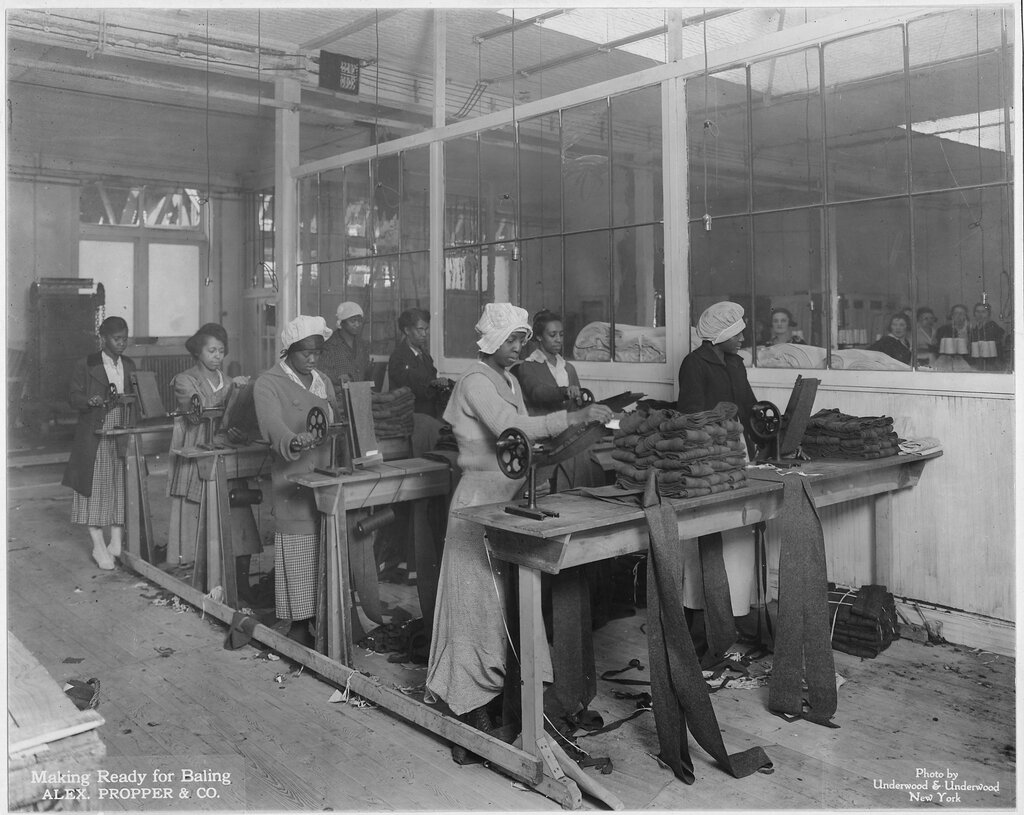
This shift created a new kind of shopping experience. Stores were filled with a constant stream of new, trendy, and affordable clothes. The idea was to get shoppers to visit more often and buy more each time they did.
Key Players and Tactics
Companies like Zara, H&M, and more recently, online giants like Shein and Fashion Nova, are masters of this model. Zara, a pioneer in the industry, became famous for its ability to get a new design from the sketchpad to the store in just a few weeks. Online-only retailers have accelerated this even further.
The difference between the old model and the new one is stark.
| Feature | Traditional Fashion | Fast Fashion |
|---|---|---|
| Collections | 2-4 per year (Seasonal) | 50+ per year (Weekly) |
| Design to Store | 6-12 months | 2-4 weeks |
| Focus | Durability, timeless style | Trends, novelty |
This constant churn is fueled by a sophisticated understanding of consumer behavior. Brands use data from social media and sales figures to see what's popular in real-time and then rush to produce it.
The Psychology of the Shopper
Why is fast fashion so appealing? It taps into a powerful mix of psychology and economics. First, there's the price. When a trendy top costs less than lunch, it feels like a low-risk purchase. This accessibility makes fashion feel more democratic and inclusive.
Second, social media has become a digital runway. Influencers post daily "outfit of the day" photos and shopping "hauls," creating a powerful desire to keep up with the latest trends. The fear of being seen in the same outfit twice is a real driver for many younger consumers. Fast fashion offers an endless supply of new content for our digital lives.
The result is a culture of consumption where clothing is often seen as disposable. We buy more clothes than ever before, and we wear them for a shorter amount of time.
This cycle of rapid production and consumption has completely reshaped the fashion industry, creating a complex global system with far-reaching effects.
Time to check what you've learned.
What are the two primary pillars of the fast fashion business model?
During which period did the fashion industry begin its major shift towards the fast fashion model?
Now that we understand what fast fashion is and how it works, we can begin to explore the journey a garment takes from a design concept to your closet.