Fast Fashion's Ethical Footprint
Introduction to Fast Fashion
What Is Fast Fashion?
Walk into many clothing stores today, and you'll find a constant rotation of new styles. What was on the mannequin last week is already gone, replaced by the latest trend. This is fast fashion in action.
fast fashion
noun
An approach to the design, creation, and marketing of clothing fashions that emphasizes making fashion trends quickly and cheaply available to consumers.
The business model is built on two key pillars: speed and low cost. Instead of the traditional spring/summer and fall/winter seasons, fast fashion brands might drop dozens of “micro-seasons” throughout the year. This rapid cycle encourages shoppers to buy more and more often, always chasing the next new look.
Fast fashion churns out clothes fast and cheap.
To keep prices low, garments are often made with less expensive synthetic materials like polyester and nylon. The focus isn't on creating a piece you'll wear for years, but on producing an affordable version of a current trend that's available almost instantly.
The Global Assembly Line
How can a t-shirt cost less than a cup of coffee? The answer often lies in outsourcing. To minimize production costs, most fast fashion brands don't own their factories. Instead, they contract with suppliers in countries where labor and manufacturing are significantly cheaper, such as Bangladesh, Vietnam, and Cambodia.
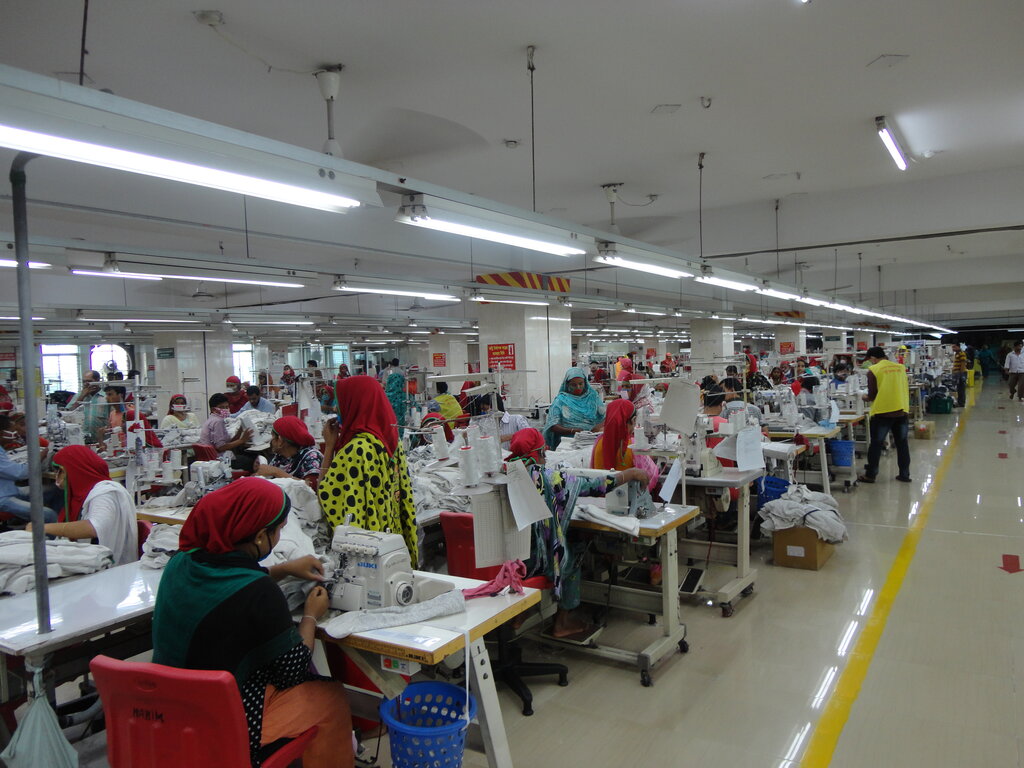
This global supply chain has complex economic effects. For multinational corporations, it means higher profit margins. For developing countries, the garment industry can be a major source of employment and economic growth. However, this also creates a dependency on foreign brands, who can quickly shift production to another country if they find a cheaper option.
The constant pressure to reduce costs and speed up production is a defining feature of the fast fashion supply chain.
The Environmental Price Tag
The speed and scale of fast fashion come at a significant environmental cost. The industry is a major contributor to global carbon emissions, stemming from energy-intensive manufacturing processes and a transportation network that spans the globe.
Water is another major concern. Growing cotton, a common textile, requires vast amounts of water. Dyeing and finishing fabrics also pollutes local water sources with harmful chemicals if not managed properly. Many popular fast fashion materials, like polyester, are plastics derived from fossil fuels. When washed, these synthetic fabrics shed tiny plastic fibers, or microplastics, which end up in our oceans and ecosystems.
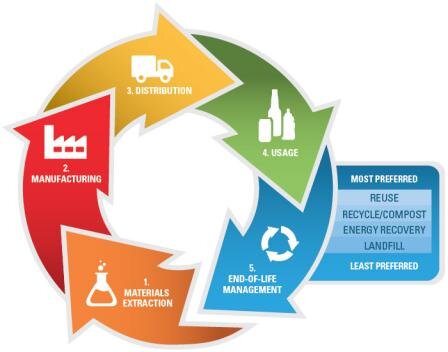
Finally, there's the issue of waste. The trend-driven nature of fast fashion means clothes are often discarded after just a few wears. This creates mountains of textile waste, with millions of tons ending up in landfills every year. Because many of these garments are made from synthetic blends, they don't biodegrade.
Now that you have a foundational understanding of the fast fashion model, test your knowledge.
What are the two main pillars of the fast fashion business model?
What environmental problem is directly associated with washing synthetic fabrics like polyester, commonly used in fast fashion?
This system of rapid, low-cost production has reshaped how we shop for and think about clothes. It has also created a complex web of economic incentives and environmental consequences that are felt around the world.