Fast Fashion Supply Chains and Labor Ethics
Introduction to Fast Fashion
What is Fast Fashion?
You see a stylish jacket on a celebrity and a week later, a similar one is in your favorite store for a surprisingly low price. A few weeks after that, it's gone, replaced by a new must-have item. This rapid cycle is the essence of fast fashion.
fast fashion
noun
An approach to the design, creation, and marketing of clothing fashions that emphasizes making fashion trends quickly and cheaply available to consumers.
At its core, fast fashion is defined by three things: speed, volume, and price. Instead of releasing collections a few times a year, these brands can drop new styles weekly, or even daily. They produce a huge variety of items in large quantities, all while keeping the prices incredibly low. This business model is designed to get runway looks into the hands of consumers as quickly as possible, capitalizing on fleeting trends before they disappear.
The goal is simple: offer consumers a constant stream of new, trendy, and affordable clothing.
From Seasons to Speed
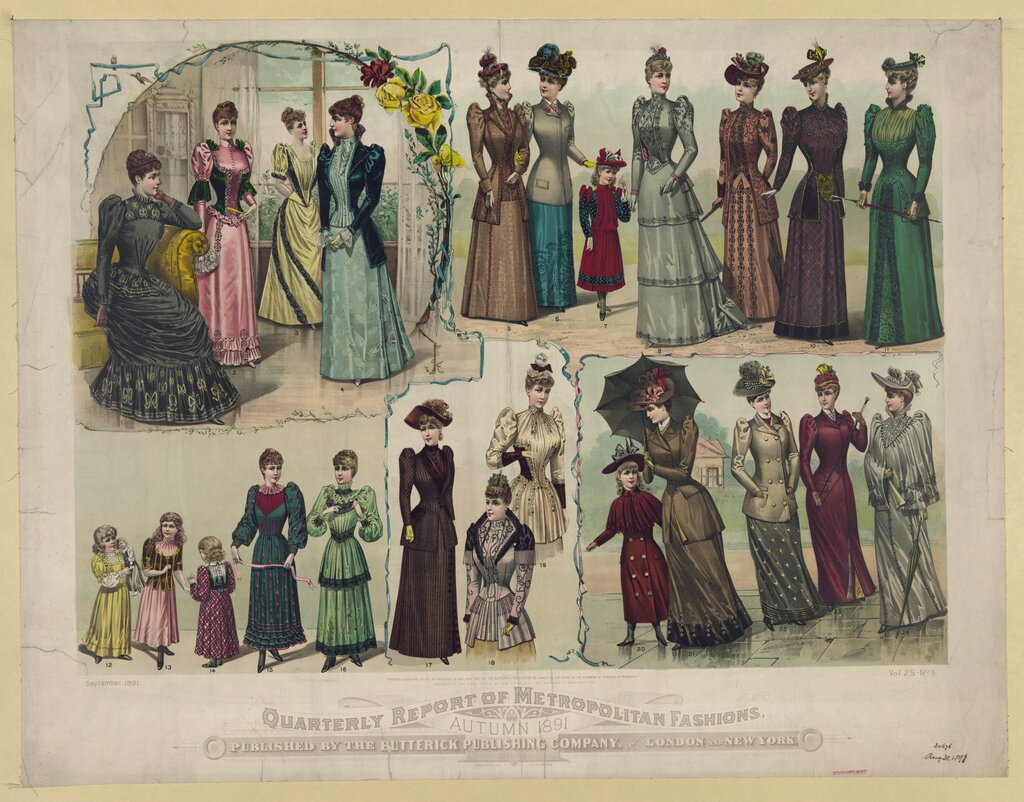
The fashion industry didn't always operate at this breakneck pace. For most of the 20th century, the system was predictable. Designers presented two main collections a year: Spring/Summer and Autumn/Winter. It took months for these designs to go from the runway to the store, and clothing was often made with more durable materials, intended to be worn for years.
The change began in the late 1990s and early 2000s. Retailers like Zara pioneered a new model. Instead of forecasting trends months in advance, they focused on rapid production. They watched what people were wearing, saw what was popular on the streets and runways, and quickly designed and manufactured similar styles. This allowed them to respond almost instantly to consumer demand.
This new approach collapsed the traditional fashion calendar. The idea of distinct seasons gave way to a continuous flow of new products, sometimes called “micro-seasons.” Other brands saw the success of this model and quickly followed suit, leading to the fast fashion landscape we know today.
The Allure of 'More for Less'
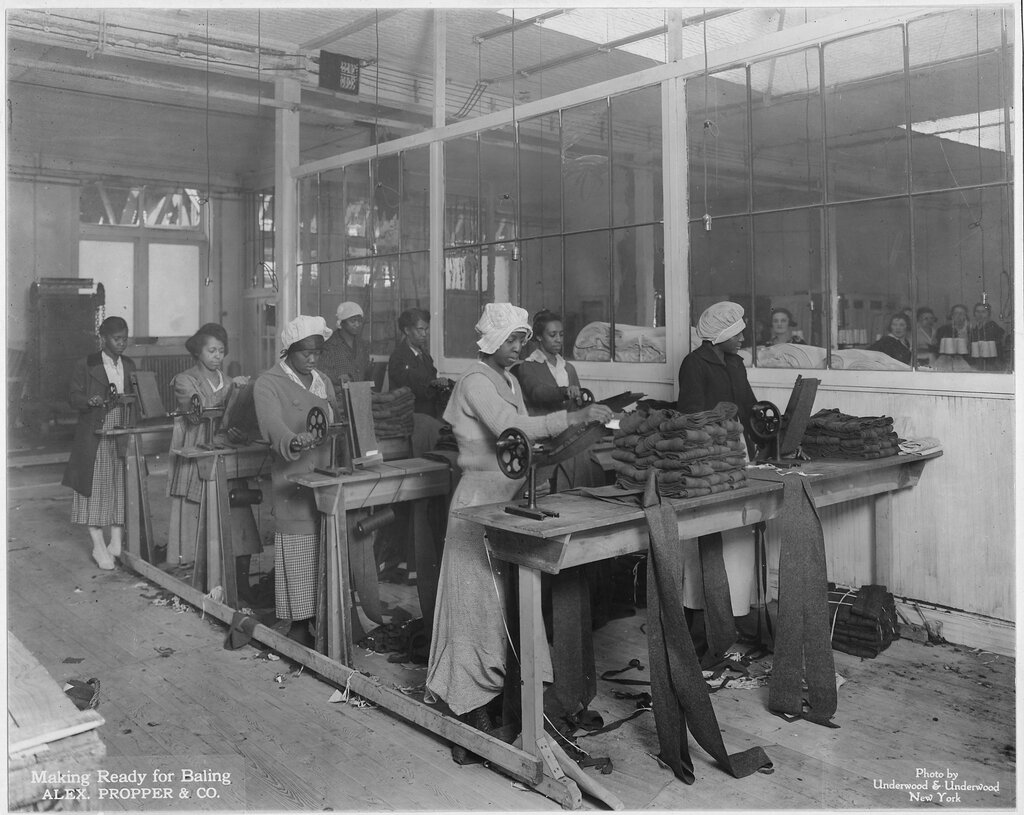
So, what makes this model so successful? The economic drivers are powerful. By manufacturing clothes quickly and in massive volumes, companies can significantly reduce the cost per item. They rely on streamlined production processes and economies of scale to keep prices low, making trendy clothing accessible to a much wider audience.
This created a new kind of shopping culture. Previously, buying a new outfit might have been a special occasion. With fast fashion, it became a casual, frequent activity. The low prices and constant novelty transformed how we view and buy clothes.
Consumers no longer had to wait months or pay a premium for the latest styles. They could participate in fashion trends as they happened, without a major financial commitment. This democratization of style was a key part of fast fashion's appeal and rapid growth.
Sacrificing quality for quantity, these pioneers of fast fashion have quickly become the contemporary model heralds to mass consumerism — buying and selling as much as possible, as quickly as possible.
The result is a shopping experience that feels like a treasure hunt. Limited stock and constantly changing inventory create a sense of urgency, encouraging shoppers to buy an item before it's gone forever. This feeling, often called FOMO (Fear of Missing Out), is a powerful psychological driver that keeps customers coming back to see what's new. It has fundamentally reshaped our relationship with our wardrobes, turning clothing into something disposable rather than durable.
What are the three defining characteristics of the fast fashion business model?
How did the traditional fashion calendar of the 20th century differ from the fast fashion model?
Fast fashion's rise was a major shift in how clothing is made, marketed, and consumed. While it made style more accessible, it also introduced a new set of consequences for the industry and the world.