Fast Fashion Supply Chain Ethics
Introduction to Fast Fashion
What Is Fast Fashion?
Think about the last time you bought a new shirt. Was it a trendy style you saw online? Was it surprisingly affordable? If so, you've likely encountered fast fashion. It’s a business model built on speed and low cost, designed to get clothing from the design stage to your closet as quickly as possible.
Unlike the traditional fashion industry, which historically operated on two main seasons (Spring/Summer and Fall/Winter), fast fashion works in micro-seasons. Brands introduce new styles weekly, or even daily, to keep up with rapidly changing trends. This constant flow of new products encourages frequent shopping.
The goal is simple: churn out trendy, inexpensive clothes so quickly that shoppers are always tempted to buy something new.
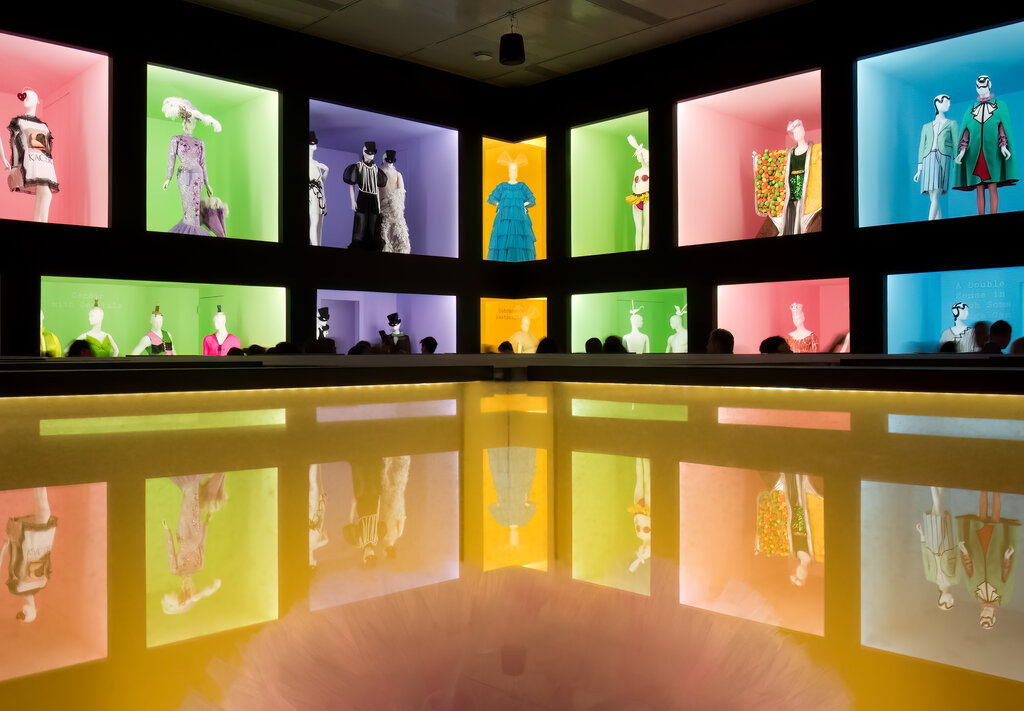
How Did We Get Here?
For most of history, clothing was expensive and made to last. People had fewer outfits, which were often custom-made or sewn at home. The Industrial Revolution started to change this by making textiles easier and cheaper to produce, but the real shift to fast fashion happened much more recently.
The model we know today took off in the late 1990s and early 2000s. European retailers like Zara pioneered a new approach. They integrated their design, production, and distribution processes to dramatically shorten the time it took to get a new style into stores. Instead of planning collections a year in advance, they could react to emerging trends in a matter of weeks.
Globalization played a huge role. By moving manufacturing to countries with lower labor costs, companies could produce clothes more cheaply than ever before. Combined with advances in technology and logistics, this created the perfect storm for fast fashion to conquer the global market.
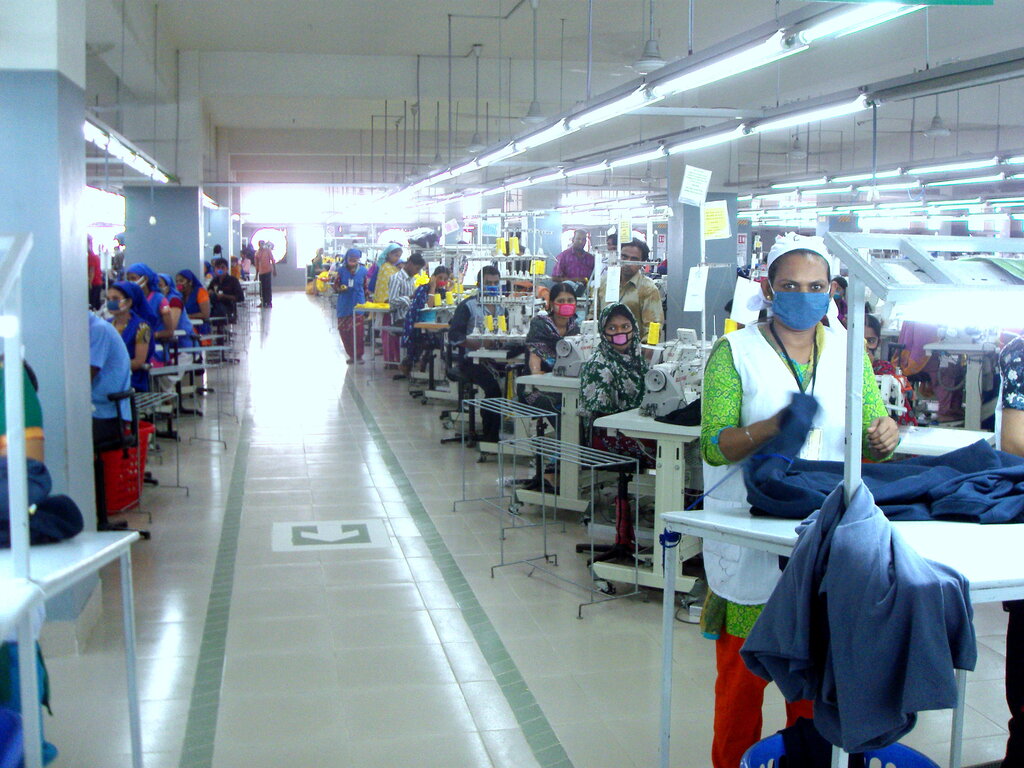
The Market Today
Today, the fast fashion market is dominated by a mix of brick-and-mortar giants and online powerhouses. You probably know the big names. Brands like H&M and Zara built massive global empires with physical stores in almost every major city. They perfected the art of creating a high-energy shopping experience with a constant rotation of new items.
| Brand | Country of Origin | Key Strategy |
|---|---|---|
| Zara (Inditex) | Spain | Quick response manufacturing, centralized logistics |
| H&M | Sweden | Designer collaborations, broad market appeal |
| Shein | China | Data-driven ultra-fast fashion, online-only model |
| Fashion Nova | USA | Influencer marketing, rapid social media trends |
More recently, a new wave of "ultra-fast fashion" retailers has emerged. Companies like Shein and Fashion Nova operate almost entirely online. They use social media and data analytics to spot trends instantly and produce small batches of new styles at lightning speed. This digital-first approach has pushed the cycle of production and consumption even faster.
Fast fashion churns out clothes fast and cheap.
Now that you understand what fast fashion is and how it works, let's test your knowledge.
What is the primary goal of the fast fashion business model?
The fast fashion model we are familiar with today began to gain significant momentum during which period?
This model of rapid, affordable, and trend-driven clothing has fundamentally changed how we shop and what we wear. But as we'll explore next, that speed comes with a complex story.