Fast Fashion Supply Chain Ethics
Introduction to Fast Fashion
What Is Fast Fashion?
Have you ever seen a style on a celebrity or runway and then, just a few weeks later, found a similar item in your favorite store for a fraction of the price? That's fast fashion in action. It's an approach to clothing production that moves designs from the catwalk to the store floor as quickly and cheaply as possible.
Fast Fashion
noun
An inexpensive clothing production model that rapidly produces high volumes of clothing based on the latest high-fashion trends.
The core characteristics are speed and affordability. Instead of waiting months for new seasonal collections, fast fashion brands can introduce new items weekly, or even daily. This creates a constant sense of newness and urgency, encouraging shoppers to buy now before an item disappears.
The goal of fast fashion is simple: close the gap between when a trend appears and when it's available to the average consumer.
The Business Model
The traditional fashion industry operates on a seasonal calendar, with two to four collections per year. Designers would forecast trends far in advance, and it would take many months for their designs to be manufactured and shipped to stores.
Fast fashion completely upended this model. It relies on a super-short production cycle, often called a "rapid-response" supply chain. Brands monitor trends in real-time using data from social media and sales figures. As soon as a new style starts gaining traction, they spring into action.
This model relies on producing smaller batches of clothes. If an item sells well, the company can quickly order more. If it doesn't, they haven't invested too much in that particular design and can simply move on to the next trend without a major loss. This minimizes risk and maximizes responsiveness to what consumers actually want to buy.
| Feature | Traditional Fashion | Fast Fashion |
|---|---|---|
| Cycles | 2-4 seasons per year | 52+ "micro-seasons" per year |
| Design Process | Long-term trend forecasting | Real-time trend replication |
| Production Time | 6-12 months | 2-6 weeks |
| Stock | Large quantities per style | Small batches, frequent restocks |
The Big Players
While the term "fast fashion" is relatively new, the business model has been developing for decades. Spanish retailer Zara is often credited as one of the pioneers. By keeping its manufacturing close to its headquarters in Spain, it was able to dramatically shorten the time it took to get clothes into stores.
Today, the market is crowded with major global players. You’ve likely heard of many of them.
Key brands include Zara, H&M, Uniqlo, Forever 21, and newer, online-only giants like Shein, ASOS, and Fashion Nova.
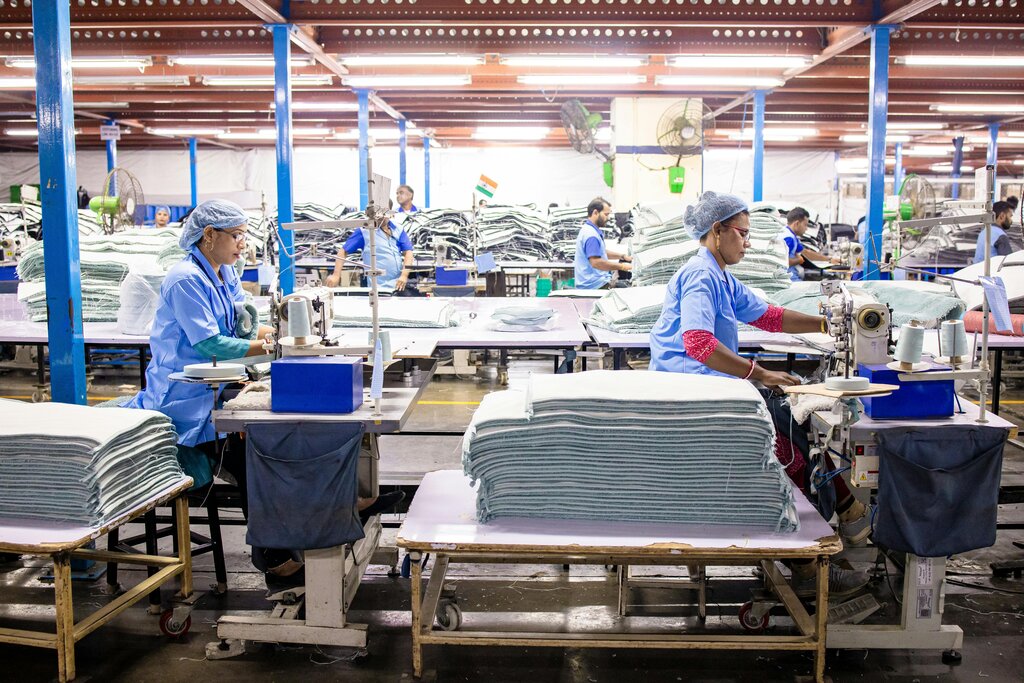
These companies have built massive, global supply chains designed for one thing: speed. They have mastered the art of getting trendy, affordable clothes into the hands of consumers almost as quickly as the trends themselves emerge.
Why We Buy It
The success of fast fashion isn't just about clever business models; it's also about consumer psychology. The industry taps into a powerful desire for newness and self-expression through style. For many people, especially younger consumers, the low prices make fashion feel accessible and fun, rather than exclusive and intimidating.
Social media has poured fuel on this fire. Influencers post "hauls" showing off their latest purchases, and targeted ads fill our feeds with the latest micro-trends. This creates a powerful feedback loop: we see a trend online, we want it, and fast fashion makes it available to us almost instantly.

The result is a culture of frequent purchasing. Clothes are seen as more disposable because they are inexpensive and tied to fleeting trends. This constant demand for the "next new thing" is what keeps the entire fast fashion machine turning. Now that we understand what it is, we can begin to explore its wider impacts.