Fast Debt Payoff Strategies
Understanding Debt
What Is Debt?
Debt is simply borrowed money that you promise to pay back over time. Most of the time, you also have to pay an extra amount called interest, which is the lender's fee for letting you use their money. Think of it like renting money. The original amount you borrow is called the principal, and the interest is the ongoing rental cost.
Borrowing money allows people to make large purchases they couldn't otherwise afford all at once, like buying a home or paying for college. Handled wisely, debt can be a useful financial tool.
Debt is not inherently harmful; it is a tool.
The key is understanding the different forms it takes and how it works before you borrow.
Common Types of Debt
Debt comes in many forms, each with its own rules and typical uses. The most common types are credit cards, student loans, mortgages, and personal loans.
Credit Card Debt
noun
A type of revolving debt that lets you borrow money up to a pre-set limit. You can borrow and repay repeatedly as long as you stay under the limit.
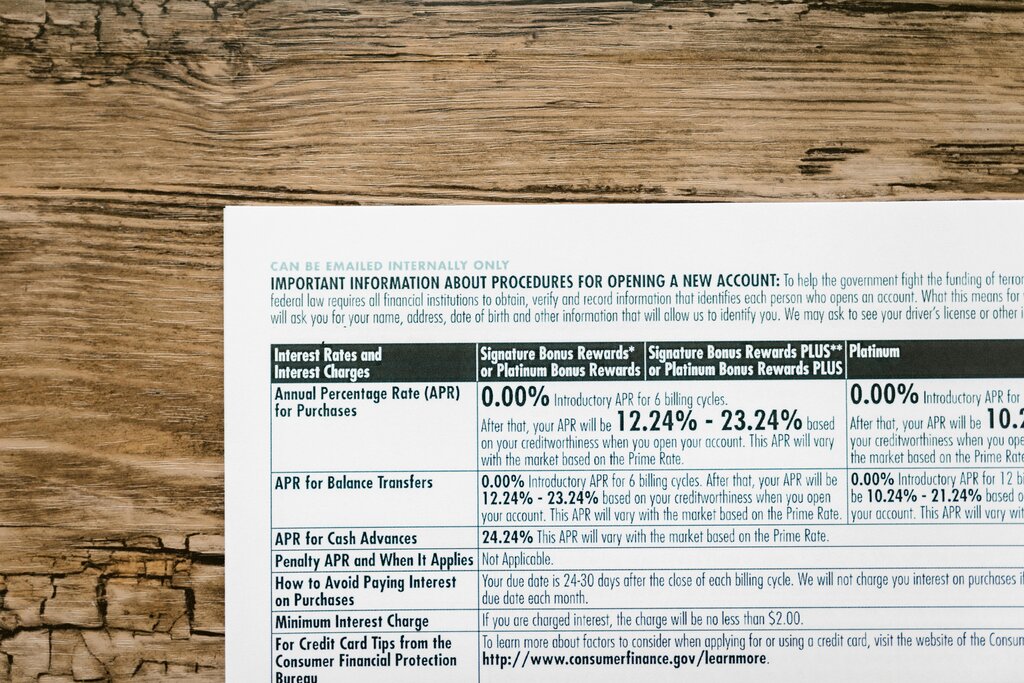
Credit cards are convenient for everyday purchases, but they often come with very high interest rates. If you don't pay off your balance in full each month, the remaining amount starts to accrue interest, and the debt can grow quickly. This is how many people fall into a cycle of debt that's hard to break.
Student loans are designed specifically to cover the costs of higher education, like tuition, fees, and housing. They can be issued by the government or by private lenders like banks. While their interest rates are typically lower than credit cards, the total amount borrowed can be substantial, leading to large monthly payments after graduation.
Mortgages are loans used to purchase real estate. The property itself serves as collateral, meaning the lender can take possession of it if you fail to make your payments. These are long-term loans, often lasting 15 to 30 years.
Finally, personal loans are all-purpose loans from a bank or credit union that you can use for almost anything, from consolidating other debts to financing a large purchase. They usually have a fixed interest rate and a set repayment period.
How Interest Makes Debt Grow
Interest is the engine that drives debt accumulation. The interest rate, expressed as an Annual Percentage Rate (APR), determines how much extra you'll pay for borrowing. A higher APR means your debt will grow faster.
Let's look at a simple example. Imagine you have a $1,000 credit card balance with a 20% APR. If you don't make any payments, the interest adds up. After one year, the interest alone would be:
So your balance would grow to $1,200. This is a simplified view, as most credit card interest compounds daily or monthly, meaning you pay interest on your interest, causing the debt to grow even faster.
This compounding effect is why high-interest debt, like from credit cards, can be so difficult to manage. Even making minimum payments might not be enough to cover the new interest being added each month.
Paying off your credit cards in full each month will help avoid going into a "debt spiral" where you accumulate more interest each month than you can pay.
Debt and Your Financial Health
The amount and type of debt you carry have a major impact on your overall financial well-being. One of the most direct effects is on your credit score.
A credit score is a number that represents your creditworthiness. Lenders use it to decide whether to loan you money and at what interest rate. Several factors influence this score, and two are directly related to debt:
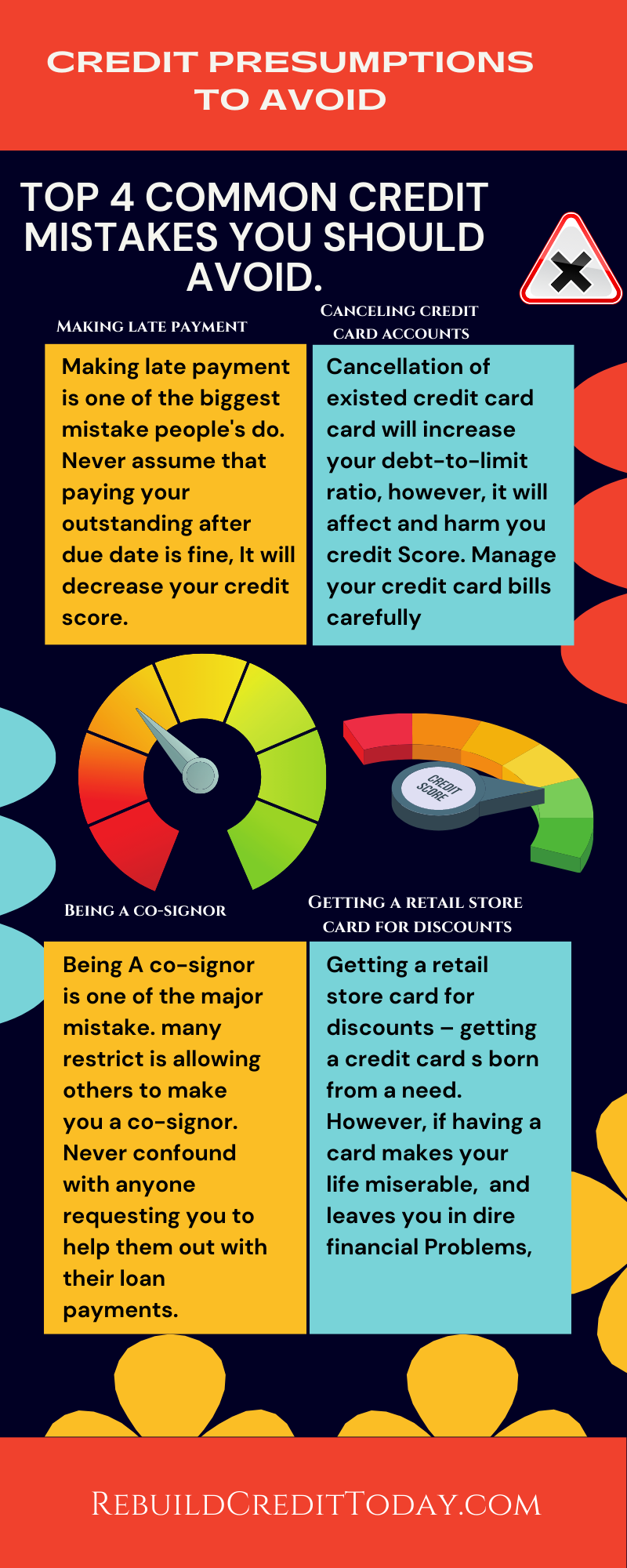
- Payment History: Making your debt payments on time is the single most important factor. Late or missed payments will lower your score.
- Amounts Owed: This looks at how much debt you have compared to your available credit. Using a high percentage of your available credit, especially on credit cards, can signal financial stress and lower your score.
A low credit score makes it harder and more expensive to borrow money in the future. You might be denied for a car loan or a mortgage, or you might be offered one with a very high interest rate, costing you thousands more over the life of the loan.
Beyond your credit score, high levels of debt can strain your monthly budget, leaving less money for savings, investments, or even daily expenses. It can limit your flexibility and create significant financial stress.
Understanding how debt works is the first step toward managing it effectively. By knowing the types of debt, the power of interest, and the impact on your financial health, you can make more informed borrowing decisions.