Fascia, Flexibility, and Self-Massage
Understanding Fascia
The Body’s Hidden Network
Think about the structure of an orange. Underneath the peel, there's a network of white, stringy pith that surrounds each segment and holds it all together. Your body has a similar system, a web of connective tissue called fascia.
Traditionally, fascia has, for centuries, been essentially relegated to be just the “white packing stuff” around the muscles.
But fascia is far more than simple packing material. It's a continuous, three-dimensional web that wraps around and runs through every part of you, from your head to your toes. This network surrounds your muscles, bones, nerves, blood vessels, and organs, providing shape and support to your entire body. It's made of collagen fibers for strength, elastin fibers for flexibility, and a gel-like substance that helps everything glide smoothly.
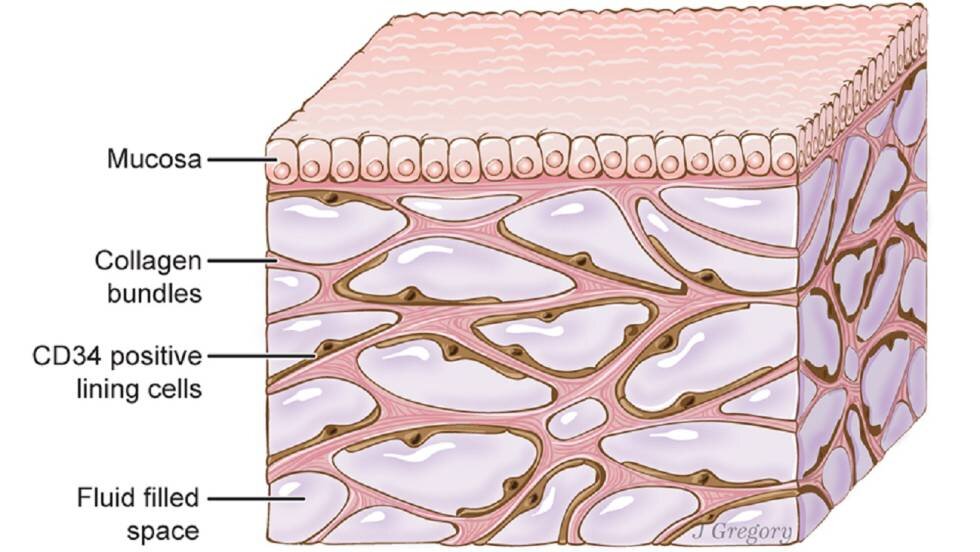
Because it connects everything, fascia plays a huge role in how you move. When you stretch your arm, you're not just lengthening a muscle; you're also stretching the entire fascial line that connects your arm to your torso and even your opposite leg. This interconnectedness is why a problem in one area, like your foot, can sometimes cause pain in another, like your lower back.
The Layers of Fascia
Fascia isn't a single sheet of tissue. It's organized into distinct but interconnected layers, each with a different job.
Superficial Fascia This is the layer just beneath your skin. It's a loose, fibrous sheet containing fat, nerves, and blood vessels. It acts as a shock absorber and allows your skin to move freely over the structures underneath.
Deep Fascia This layer is denser, tougher, and more organized. It wraps around individual muscles and groups of muscles, forming compartments that help them work together. The tough, silvery film you might see on a cut of meat is deep fascia. It also surrounds bones (as periosteum) and cartilage (as perichondrium).
Visceral Fascia This is the deepest layer, and it provides support and suspension for your organs within their cavities, such as the heart in the chest or the intestines in the abdomen. It holds everything in place while still allowing for movement, like the expansion of your lungs when you breathe.
When Fascia Gets Unhealthy
Healthy fascia is supple and hydrated, allowing tissues to glide past one another without restriction. However, factors like physical trauma, surgery, inflammation, repetitive stress, or even a lack of movement can cause problems.
Normal muscular function requires that its surrounding fascia be hydrated to allow normal tissue gliding.
When fascia becomes unhealthy, it can lose its pliability. The layers can get stuck together, forming what are called adhesions. These adhesions can restrict movement, create tension, and cause pain. It's like wearing a sweater that's two sizes too small and has been glued to your shirt. You can still move, but it's difficult, and you feel pulling in weird places.
This fascial dysfunction can lead to a variety of issues:
- Reduced flexibility and range of motion: Adhesions prevent muscles and joints from moving freely.
- Pain and stiffness: Stuck fascia can compress nerves and create trigger points, which are tight knots that can refer pain to other areas.
- Poor posture: Chronic tension in the fascial web can pull the skeleton out of alignment.
- Impaired circulation: Tight fascia can restrict the flow of blood and lymph, hindering recovery and promoting inflammation.
Interestingly, new research shows that fascia is more than just a structural wrapper. It's packed with nerve endings, making it one of our richest sensory organs. This means it plays a critical role in proprioception, your body's awareness of its position in space. When your fascia is unhealthy, this communication system can be disrupted, affecting coordination and balance.
Based on these new developments, it is now recognized that fascial network is one of our richest sensory organs.
Understanding the vital role of fascia is the first step toward improving your body's overall health and movement. By recognizing it as a dynamic, interconnected system, we can better address the root causes of stiffness and pain.