Farming Business Client Acquisition
Introduction to Agriculture
The Foundation of Society
At its heart, agriculture is the practice of cultivating plants and raising animals. It’s the source of nearly all the food we eat, the fibers in many of our clothes, and even the fuel in some of our vehicles. From the coffee in your cup to the cotton in your shirt, agriculture is woven into the fabric of our daily lives. It’s the foundation upon which civilizations are built.
agriculture
noun
The science, art, or practice of cultivating the soil, producing crops, and raising livestock and in varying degrees the preparation and marketing of the resulting products.
But this complex system didn't appear overnight. It developed over thousands of years, fundamentally changing how humans live.
From Foraging to Farming
For most of human history, people were hunter-gatherers, constantly moving to find food. This changed around 10,000 BCE with the start of the Agricultural Revolution. Humans began to domesticate plants and animals, allowing them to settle in one place and build permanent communities. This shift was a turning point, paving the way for villages, cities, and the modern world.
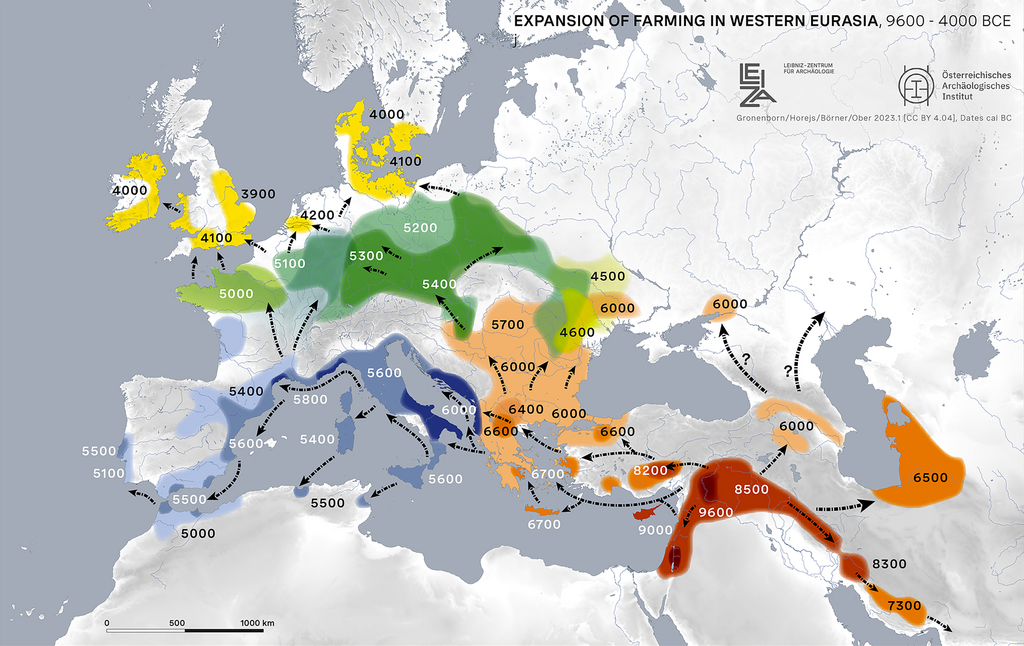
Early farmers worked with simple tools and relied on deep knowledge of their local environment. Over centuries, innovations like the plow and irrigation systems slowly improved efficiency. Farming practices continued to evolve, spreading across the globe and adapting to new climates and cultures.
More Than Just Crops
When we think of agriculture, we often picture fields of wheat or corn. While that’s a huge part of it, the industry is much more diverse. It’s a broad field with several distinct sectors, each playing a unique role in providing for human needs.
| Sector | Description |
|---|---|
| Crop Farming | Growing plants for food, fiber, fuel, or medicine. |
| Livestock Production | Raising animals for meat, milk, eggs, or wool. |
| Aquaculture | Farming fish, crustaceans, mollusks, and aquatic plants. |
| Agroforestry | Integrating trees and shrubs into crop and animal farming systems. |
Crop farming includes everything from small vegetable gardens to vast grain farms. Livestock production involves animals like cattle, chickens, and sheep. Aquaculture, essentially fish farming, is a rapidly growing sector that helps meet the global demand for seafood. Agroforestry is a sustainable approach that combines agriculture and forestry to create more diverse and resilient ecosystems.
Today's Challenges and Trends
Modern agriculture faces a monumental task: feeding a global population of over 8 billion people. This challenge is complicated by issues like climate change, limited water resources, and the need to protect biodiversity. Farmers today must produce more food on less land while minimizing their environmental impact.
The central challenge of our time is to feed a growing global population on a planet with finite resources.
In response, the industry is constantly innovating. There's a growing movement towards sustainable practices that improve soil health and conserve water. Consumers are also driving change, showing increased interest in where their food comes from, leading to a rise in local food systems and organic farming. Technology and new scientific insights are helping to create a more efficient and resilient agricultural future.
What was the most significant societal shift resulting from the Agricultural Revolution around 10,000 BCE?
Which agricultural sector specifically involves the practice of farming fish and other aquatic organisms?
Agriculture remains one of the most essential human activities. Understanding its history, diversity, and current challenges helps us appreciate the complex system that feeds, clothes, and sustains us all.