Farm Finance and Accounting Essentials
Introduction to Farm Finance
Why Farm Finance Matters
Running a successful farm is about more than just knowing how to grow crops or raise livestock. It’s also a business. And like any business, its long-term health depends on smart financial management. Thinking about finance isn't just for accountants; it’s a vital tool for every farmer who wants to build a sustainable and profitable operation.
Good financial management helps you answer critical questions. Are you making a profit? Can you afford to buy that new piece of equipment? Is it a better year to plant corn or soybeans? The answers are in your numbers. By tracking your finances, you move from guessing to making informed decisions that can help your farm thrive through good seasons and bad.

The Big Three Financial Statements
To understand your farm's financial health, you need to get familiar with three key reports: the balance sheet, the income statement, and the cash flow statement. Think of them as a regular check-up with a doctor. Each one tells you something different but essential about the condition of your business.
Balance Sheet
noun
A snapshot of a farm's financial health at a specific point in time, showing what it owns (assets), what it owes (liabilities), and the owner's stake (equity).
The balance sheet is based on a simple but powerful idea: the accounting equation. It shows that what a farm owns is funded by either borrowing money or using the owner's own funds.
On a farm, assets might include land, tractors, livestock, and cash in the bank. Liabilities are things like bank loans for that equipment or outstanding bills to suppliers. Equity is what's left over—it’s your stake in the farm.
Income Statement
noun
A summary of a farm's revenues and expenses over a period of time, such as a month or a year, showing its profitability.
While a balance sheet is a snapshot in time, an income statement tells a story over a period. It lists all your income (from selling crops, livestock, etc.) and subtracts all your expenses (seed, fertilizer, fuel, repairs). The result tells you if you made a profit or a loss during that time.
This statement is crucial for seeing how well your operations are performing. It helps you spot trends, like rising fuel costs, so you can adjust your plans.
Income Statement Formula: Revenues - Expenses = Net Income (or Loss)
Cash Flow Statement
noun
A report that shows how cash has moved in and out of the farm business over a specific period.
Profit isn't the same as cash in the bank. You might have a profitable year on paper but still feel a cash squeeze. The cash flow statement explains why. It tracks all the actual cash coming in and going out.
For example, you might sell a large harvest on credit (revenue is recorded), but you won't get the cash until your customer pays. Meanwhile, you still have to pay for fuel and loan installments in cash. This statement helps you manage your bank balance so you can pay your bills on time.
Why Good Records Matter
These financial statements are only as reliable as the information used to create them. That’s why accurate record-keeping is the foundation of good farm finance. It’s not the most glamorous part of farming, but it's one of the most important.
Keeping detailed records of every transaction—every sale, every purchase, every bill paid—is essential. These records allow you to:
- Build Accurate Financial Statements: Without good data, your statements are just guesswork.
- Secure Loans: Lenders will always want to see organized financial records before they approve a loan.
- Manage Taxes: Clean records make tax time simpler and help ensure you’re not overpaying.
- Make Smart Decisions: Good records give you the true story of your farm, helping you plan for the future with confidence.
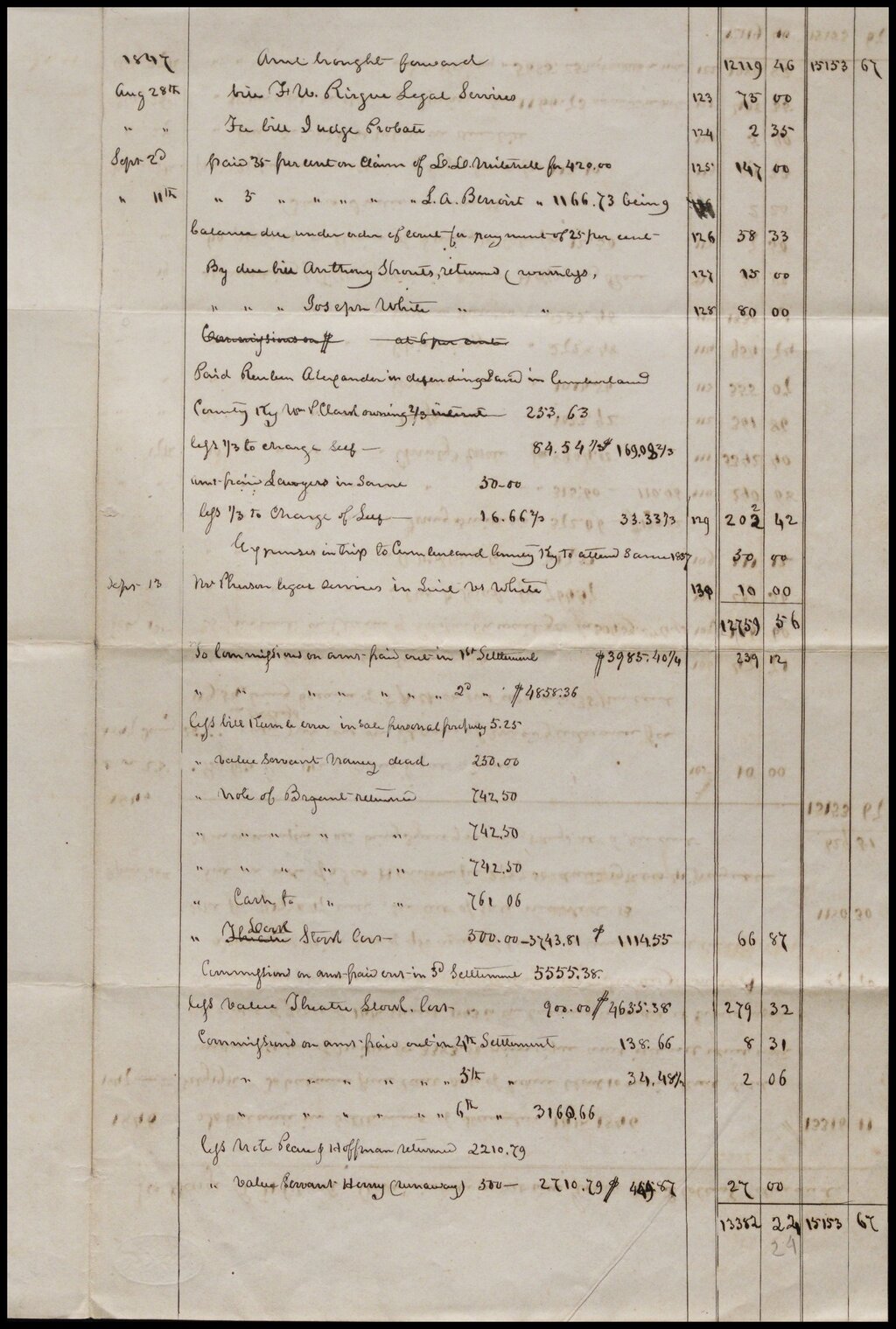
Whether you use a simple notebook, a spreadsheet, or specialized accounting software, the key is consistency. By tracking your numbers carefully, you gain control over your farm's financial destiny.