FanDuel NHL DFS Strategies
Introduction to NHL DFS
Welcome to Daily Fantasy Hockey
If you've played season-long fantasy sports, you already know the basics. You draft a team of players and compete against others based on those players' real-life stats. Daily Fantasy Sports (DFS) is the same core idea, but shrunk down to a single day or a week's worth of games. Instead of being stuck with the same team for a whole season, you get to draft a new one every time you play.
Think of it as a sprint instead of a marathon. There's no season-long commitment, no worries about a star player's injury ruining your entire year, and you get the satisfaction of winning (or the sting of losing) right away.
Building Your Team
In a typical NHL DFS contest on a platform like FanDuel, you're given a fictional salary cap, say $55,000. Your goal is to fill out a full roster without exceeding that cap. Every player in the league is assigned a salary based on their recent performance and matchup. Superstars like Connor McDavid will cost a lot, while a fourth-line grinder will be much cheaper.
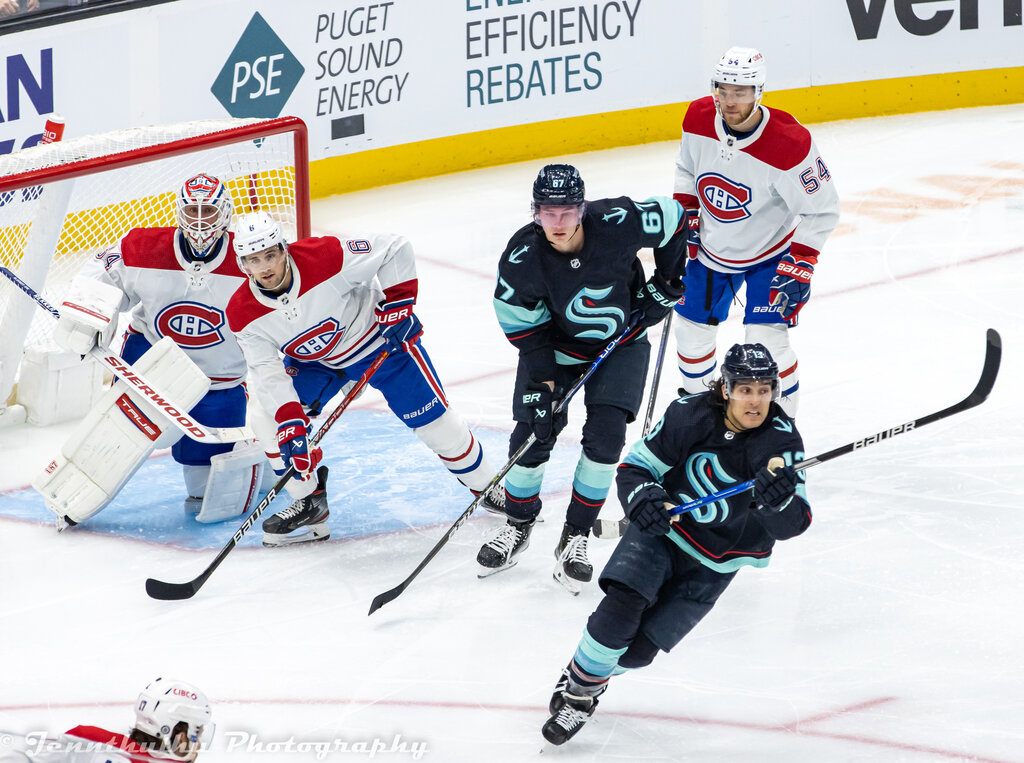
Your job is to find the right mix of high-priced stars and undervalued players to build the best possible team. A standard FanDuel NHL roster looks like this:
| Position | Count |
|---|---|
| Center (C) | 2 |
| Winger (W) | 2 |
| Defenseman (D) | 2 |
| Utility (UTIL) | 1 |
| Goalie (G) | 1 |
The Utility spot is flexible; you can put any forward or defenseman there, giving you an extra chance to target a player you like.
How You Score Points
Once the puck drops, your players start earning points for their actions on the ice. Every shot, goal, and assist contributes to your team's total score. Even defensive plays like blocked shots earn points.
Goalies have their own unique scoring rules. They earn points for a win and for every save they make, but they lose points for goals they allow. A goalie who gets a shutout (allowing zero goals) receives a significant bonus.
| Statistic | Points |
|---|---|
| Goal | 12 |
| Assist | 8 |
| Shot on Goal | 1.6 |
| Blocked Shot | 1.6 |
| Power Play Bonus | 0.5 |
| Short Handed Bonus | 2 |
| Goalie Win | 12 |
| Save | 0.8 |
| Goals Against | -4 |
| Shutout Bonus | 8 |
Types of Contests
You can enter your lineup into different kinds of contests, which generally fall into two categories.
GPP
noun
Stands for Guaranteed Prize Pool. These are large tournaments with top-heavy prize structures. A small percentage of the top finishers win a large share of the money. High risk, high reward.
The second category is cash games. These include contests like "50/50s," where the top half of the field wins, and "Head-to-Heads," where you compete against a single opponent. The payouts are smaller, but your odds of winning are much better.
GPPs are for chasing life-changing scores. Cash games are for steadily building your bankroll.
What is the primary difference between Daily Fantasy Sports (DFS) and traditional season-long fantasy sports?
In an NHL DFS contest, what is the main purpose of the salary cap?
That's the foundation of NHL DFS. You build a team within a salary cap, watch them rack up points, and compete in different types of contests for prizes. Now you're ready to start thinking about strategy.