Fandom Monetization Strategies for Community Businesses
Introduction to Online Community Monetization
From Passion to Paycheck
An online community is more than just a group of people. It’s a space for connection, shared interests, and support. But running a community takes time, effort, and often, money. This is where monetization comes in. It’s the process of turning your community's engagement and value into a sustainable source of revenue.
Monetization isn’t about squeezing every dollar. It’s about making your community sustainable - for you and your members.
Thinking about monetization isn't just about making a profit. It's about ensuring the community can thrive long-term. Revenue can fund better tools, create more content, host events, and reward the people who work hard to keep the community vibrant and safe. A smart monetization plan ensures the community has the resources it needs to grow and continue serving its members.
Common Monetization Models
There's no single right way to monetize a community. The best approach depends on your audience, your content, and the culture you've built. Most successful communities mix and match a few different methods. Let's look at some of the most common strategies.
| Strategy | How It Works | Best For |
|---|---|---|
| Advertising | Brands pay to display ads or sponsor content seen by your members. | Large, active communities where advertisers want to reach a specific demographic. |
| Subscriptions | Members pay a recurring fee (monthly or yearly) for access to the community or special perks. | Communities offering consistent, high-value content or exclusive access. |
| Merchandise | You sell branded physical or digital products, like t-shirts, mugs, or digital templates. | Communities with a strong identity and loyal, enthusiastic members. |
| Exclusive Content | Members pay to unlock premium content, such as in-depth articles, video courses, or private forums. | Communities led by experts who can provide valuable, specialized knowledge. |
Advertising is often the first model people think of, but it can be a delicate balance. Too many ads can disrupt the user experience. Subscriptions, on the other hand, create a predictable revenue stream and a more committed member base. Offering merchandise allows your biggest fans to show their support and feel a deeper connection to the group.
Exclusive content works best when you're offering something your members can't easily get for free elsewhere. It positions the community as a source of premium, expert information.
Engagement Is Everything
You can't monetize a ghost town. Before you even think about asking for money, you need a healthy, engaged community. Engagement is the measure of how actively your members participate through comments, posts, likes, and discussions. A highly engaged community is a sign that you are providing real value.
The key to successful community monetization lies in understanding your audience.
Think of engagement as a signal. When members are active, it means they trust the community and find it worthwhile. This trust is the foundation for any monetization effort. People are more likely to pay for a subscription, buy a t-shirt, or tolerate an ad if they genuinely care about the community and want to see it succeed. Low engagement is a red flag that you need to focus on providing more value before trying to monetize.
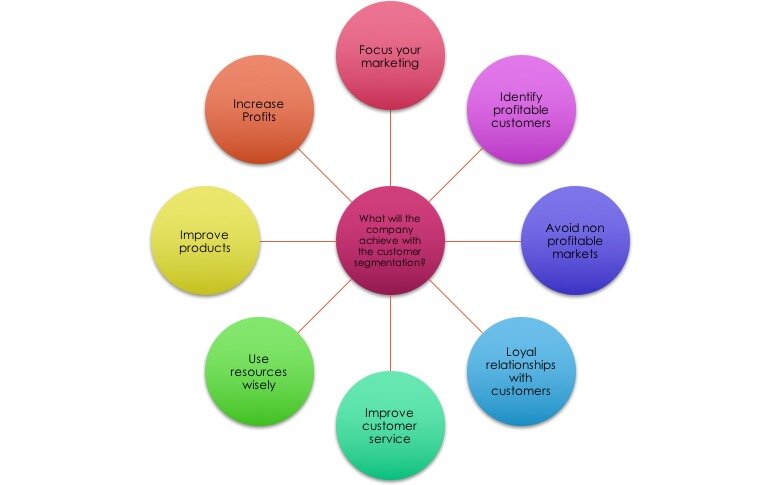
The final piece of the puzzle is community dynamics. Every community has its own unique culture, norms, and expectations. Your monetization strategy must align with this culture, not work against it. If your community is built on open-source collaboration, suddenly putting everything behind a hard paywall will likely cause a backlash.
If members feel like your community went from being all about connection and information to suddenly being all about sales, you could lose what made the space valuable to begin with.
Introduce monetization slowly and transparently. Explain why you're doing it, how the revenue will be used to improve the community, and how it will benefit the members. When monetization is presented as a way to support a shared mission, members are more likely to embrace it.
What is the primary purpose of monetizing an online community, according to the principles of sustainable growth?
Before attempting to monetize, what is the most crucial element a community must have?
Monetizing an online community is a powerful way to ensure its longevity and growth. By choosing strategies that provide genuine value and align with your community's culture, you can create a sustainable model that benefits everyone involved.