Fandom Monetization for Community Businesses
Introduction to Community-Driven Businesses
When Customers Build the Brand
Some businesses don't just sell products; they build worlds. A community-driven business centers on creating a space where customers feel like members. It's less about transactions and more about connections. The goal is to foster a group of people who are passionate about the brand, its mission, or the interests they share.
These businesses thrive on active participation. Customers aren't just passive buyers. They create content, share ideas, help other users, and provide direct feedback. This two-way street between the company and its community is what sets the model apart. Communication flows in both directions, creating a sense of shared ownership and purpose.
A company can unlock remarkable competitive advantages by shifting focus from product delivery to community building.
Think of it like a neighborhood club instead of a big-box store. Members join because they share a common interest, and they stay because they value the connections they make. The business acts as the host, providing the space and tools for the community to flourish.
The Benefits of Belonging
Why go to all the trouble of building a community? Because an engaged group of fans is one of the most powerful assets a business can have. It creates deep brand loyalty that goes beyond price or features. When people feel like they're part of something, they're more likely to stick around, even when competitors show up.
A strong community is also a powerful engine for growth. Passionate members become the most effective marketers, sharing their experiences through word-of-mouth. This kind of authentic promotion is often more trusted and effective than traditional advertising. Engaged users naturally attract new people who share their interests.
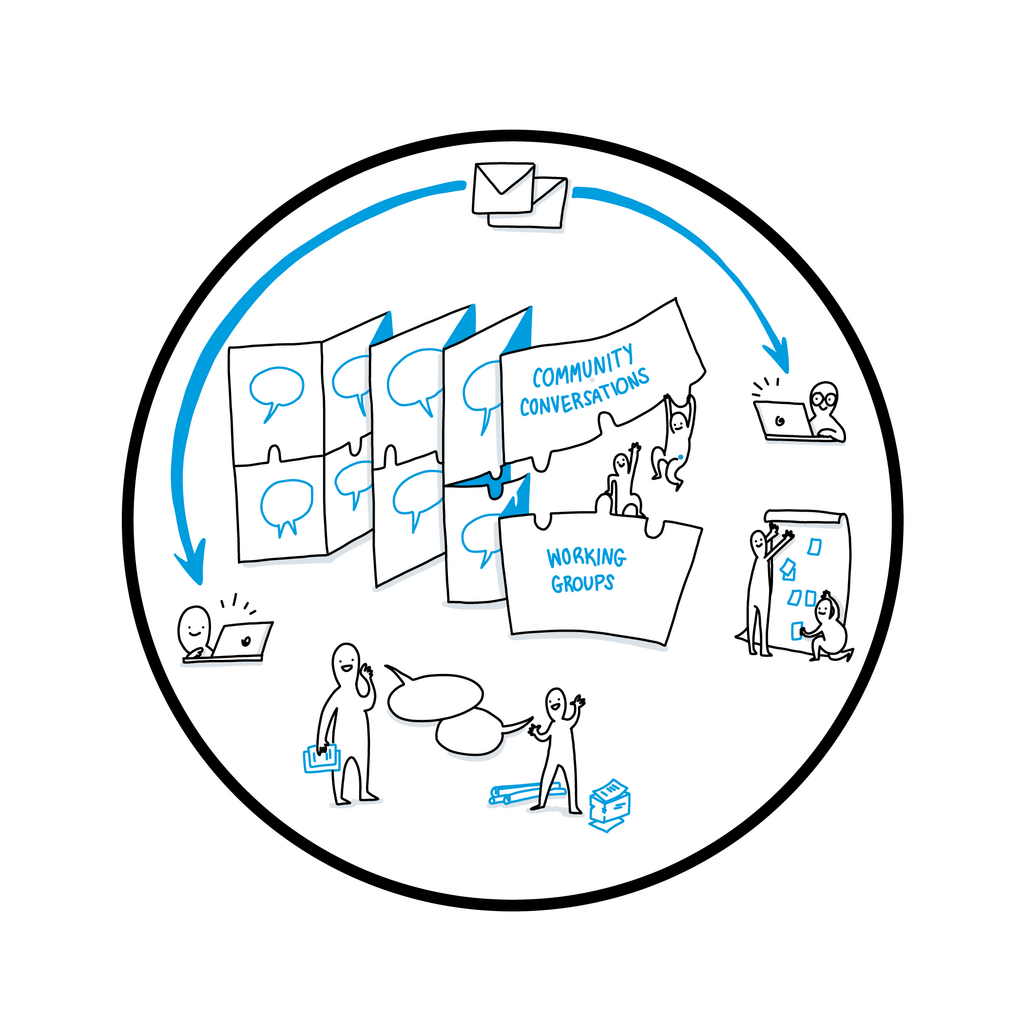
Furthermore, a community is a direct line to honest, real-time feedback. Instead of spending a fortune on market research, a company can simply listen to its most dedicated users. They'll tell you what's working, what's not, and what they want to see next. This direct input can guide product development and innovation, ensuring the business stays relevant to its core audience.
The Challenges
Of course, this approach isn't a magic bullet. Building and maintaining a thriving community takes significant time and dedication. It's not a 'set it and forget it' strategy. It requires consistent effort to spark conversations, manage interactions, and provide value to members.
One of the biggest hurdles is giving up control. In a community-driven model, the company can guide the conversation, but it can't dictate it. This can be scary, as negative feedback or criticism can spread quickly.
Keeping the community a positive and welcoming space also requires active moderation. As a group grows, so does the risk of spam, conflicts, or off-topic discussions that can harm the user experience. Scaling that moderation while preserving the community's culture is a delicate balancing act.
What is the primary focus of a community-driven business model?
In a community-driven business, customers are expected to be active participants rather than passive buyers.