Fandom Monetization for Community Business
Understanding Fandom's Business Model
The Fan-Built Universe
Fandom's core is not a team of paid writers, but a global network of passionate fans. The platform runs on a user-generated content (UGC) model, where the people who love a TV show, movie, or game are the ones building the encyclopedia for it. This approach allows for an incredible depth of knowledge that a centralized company could never replicate.
Think of it like a massive collaborative library where every expert on a specific topic can contribute their own chapter. One person might document every character from a fantasy novel, while another meticulously details the physics of a sci-fi spaceship. This collective effort creates an exhaustive resource built purely on passion and expertise.
User-generated content (UGC) is a cornerstone of the Fandom Business Model Canvas, providing a rich resource.
Fostering Community
Getting users to create content is only half the battle. The real challenge is keeping them engaged and encouraging them to collaborate. Fandom isn’t just a collection of articles; it's a network of communities. The platform provides essential tools to foster this sense of belonging.
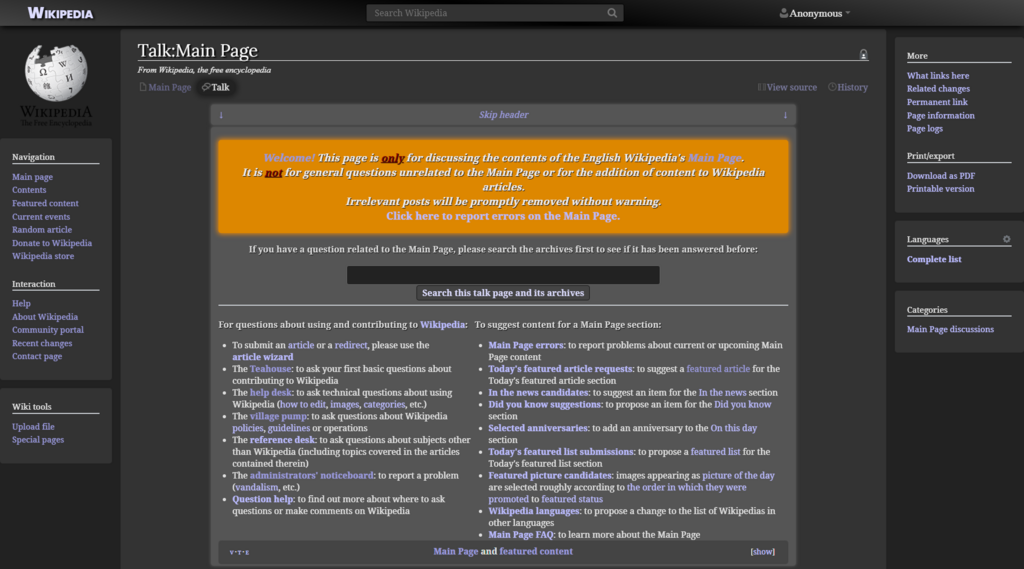
Features like 'Talk Pages' allow editors to discuss changes, plan new articles, and resolve disagreements. User profiles help contributors build identities within their communities. This infrastructure turns solitary editing into a shared, social experience, which is crucial for retaining dedicated volunteers.
Content moderation largely falls to the community itself. Experienced users are often promoted to administrators or moderators, giving them tools to revert vandalism and guide newcomers. This self-governance model is key, as it empowers the most dedicated members to protect the quality and integrity of their wiki. Fandom's role is to provide the framework and step in only when necessary.
Built to Scale
The UGC model is incredibly scalable. A new wiki can be created for any topic, no matter how niche, without Fandom needing to hire a team of experts. When a new video game is released or a new show becomes a hit, fans can immediately start building a knowledge base for it. This allows the platform to grow organically, expanding its reach as new fandoms emerge.
Fandom provides the technical backbone—the servers, the software (a modified version of MediaWiki, the same software that powers Wikipedia), and the core features. By handling the complex technical side, Fandom allows communities to focus solely on what they do best: creating content. This division of labor is what has allowed Fandom to grow to hundreds of thousands of individual communities, all running on a single, unified platform.
By centralizing the technology while decentralizing content creation, Fandom can support a vast and diverse ecosystem of fan communities with relative efficiency.
This foundation of user-generated content, community engagement, and scalable technology sets the stage for how the platform operates as a business. It creates the valuable, high-traffic environment that Fandom can then monetize.