Fandom Monetization for Community Business
Introduction to Fandom
The Fan-Powered Universe
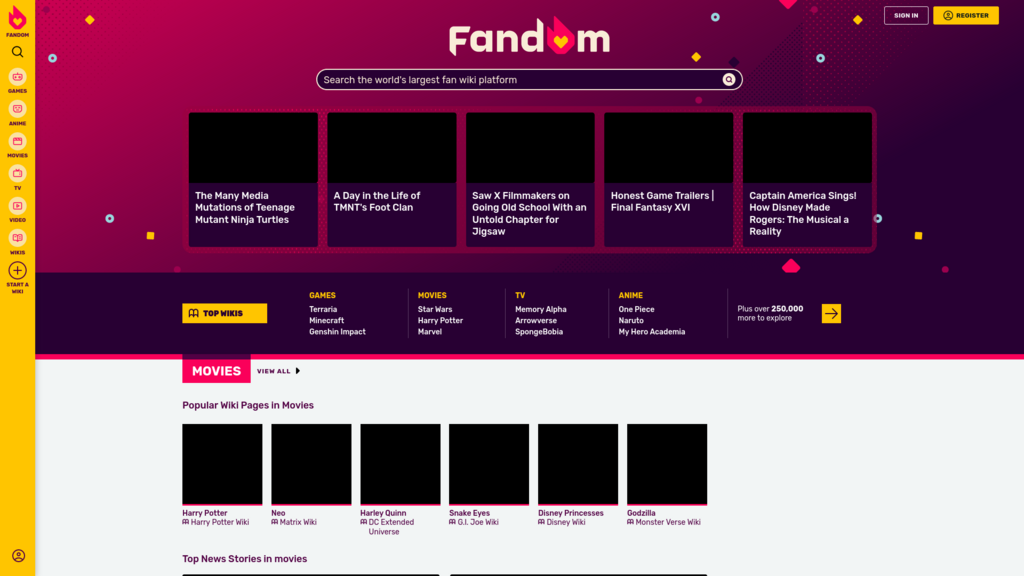
Fandom is a massive online platform that hosts wikis—collaborative websites—on almost every imaginable pop culture topic. From television shows and movies to video games and comics, if something has a dedicated fanbase, there's a good chance it has a Fandom wiki.
Think of it as a sprawling digital library where each section is dedicated to a specific fictional universe or interest. These wikis are incredibly detailed, often containing character biographies, plot summaries, and deep dives into the lore of their subjects. It serves as a central hub for fans to find, share, and preserve information about the things they love.
From Wikia to Fandom
Fandom was founded in 2004 by Jimmy Wales, a co-founder of Wikipedia, and Angela Beesley Starling. Originally named Wikia, the platform was conceived as a for-profit counterpart to the non-profit Wikipedia. The idea was to use the same collaborative wiki model but apply it to the world of entertainment and fan interests.
While Wikipedia focuses on encyclopedic, fact-based articles, Wikia provided a space for fan communities to build comprehensive resources with a level of detail that wouldn't fit on Wikipedia. In 2016, the company rebranded as Fandom to better reflect its core focus on fan culture.
Built by Fans, For Fans
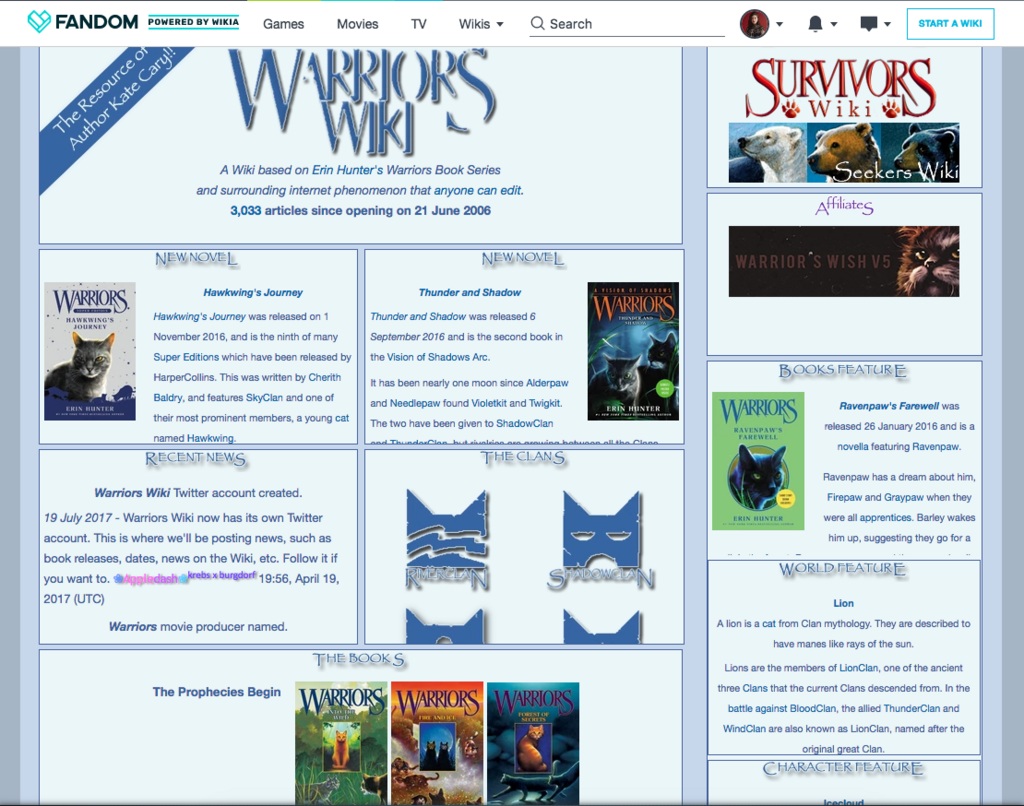
The heart of Fandom is its user-generated content. All the articles, images, and data on Fandom wikis are contributed by volunteer fans. These dedicated users spend countless hours writing, editing, and organizing information, driven by a passion for their chosen subject. This collaborative effort is what makes each wiki so comprehensive.
Unlike a traditional encyclopedia, Fandom wikis are living documents, constantly updated by the community as new movies, episodes, or game updates are released.
This model allows for a depth and speed that would be impossible for a traditional publisher to replicate. Communities self-organize, establish their own standards for quality and content, and work together to create an authoritative resource for fellow fans.
A Hub in the Digital World
In the vast digital landscape, Fandom occupies a unique niche. Before platforms like it, fan knowledge was scattered across countless forums, personal websites, and mailing lists. Fandom centralized this information, making it easily searchable and accessible to anyone with an internet connection.
Today, it's often the first stop for anyone looking for detailed information about a piece of entertainment. Its high search engine rankings mean that when you look up a specific character or plot point, a Fandom link is frequently among the top results. This has cemented its position as a cornerstone of the modern fan experience online, acting as a de facto encyclopedia for popular culture.
Now, let's test your understanding of Fandom's role in the online world.
What was Fandom's original name before its rebranding in 2016?
Who is credited with co-founding the platform that would become Fandom?
Fandom's reliance on user-generated content and its central position in the digital ecosystem create a unique foundation for its business operations.