Fandom Monetization and Community Business Models
Introduction to Fandom
The Ultimate Fan Encyclopedia
Fandom is a massive online platform where fans create and maintain detailed encyclopedias, or wikis, about their favorite movies, TV shows, video games, and more. If you've ever searched for the backstory of a minor character from a fantasy novel or the specs of a spaceship from a sci-fi film, you've likely landed on a Fandom site. It's a vast network of user-generated knowledge, built by and for people who are passionate about entertainment.
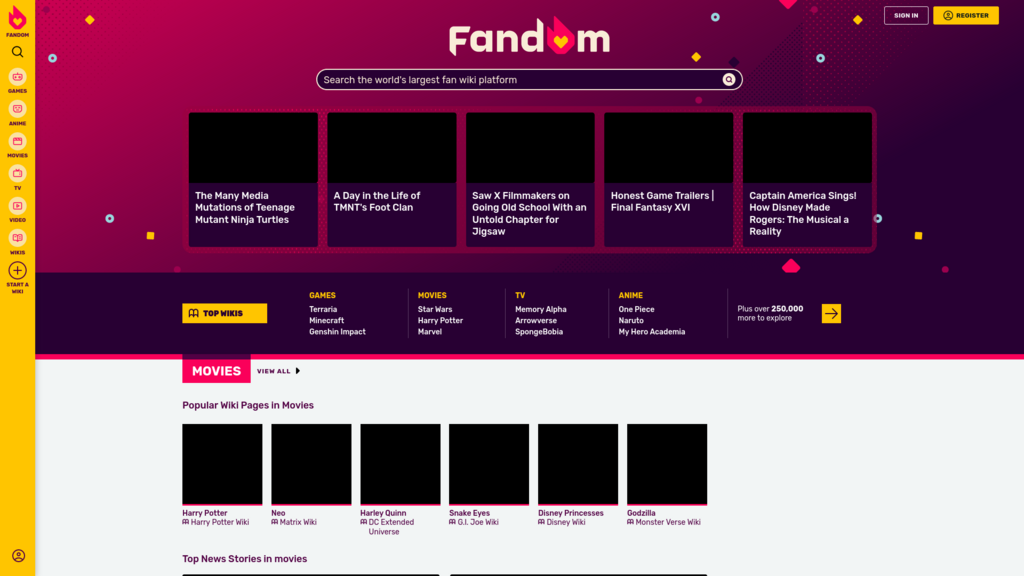
Originally known as Wikia, the platform was founded in 2004 by Jimmy Wales, a co-founder of Wikipedia, and Angela Beesley Starling. The initial mission was to extend the wiki model beyond general knowledge and apply it to the rich, complex worlds of popular culture. The idea was to give fans the tools to document their passions with the same collaborative spirit that powered Wikipedia.
Think of it as thousands of specialized encyclopedias all living under one roof, each one dedicated to a single universe of content.
A Home for Communities
At its core, Fandom provides a free wiki hosting service. It gives communities a centralized place to organize vast amounts of information. This includes everything from character biographies and episode summaries to detailed timelines and lore explanations. The platform offers tools for editing, moderating, and customizing the look and feel of each wiki, allowing every community to create a unique space.
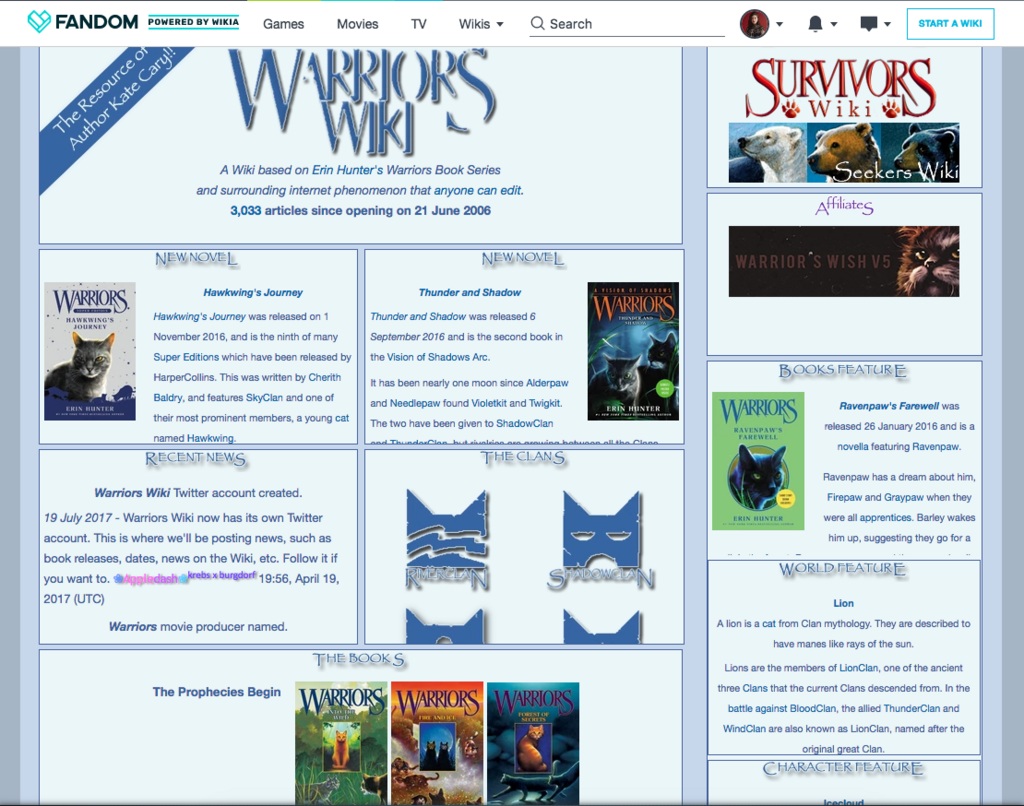
All of this content is created by volunteers. These dedicated fans spend countless hours writing, editing, and fact-checking articles to build comprehensive resources. This user-generated model is the engine that drives Fandom, making it one of the largest and most detailed sources of pop culture information on the internet.
Fandom's Place in Media
Fandom occupies a unique position in the digital landscape. It's not just a collection of facts; it's a social platform where people connect over shared interests. It has become an essential destination for anyone seeking deep knowledge about entertainment franchises. For media companies, Fandom sites are a barometer of fan engagement, offering insights into which characters, storylines, and worlds resonate most with audiences.
By providing a home for this incredible depth of fan knowledge, Fandom has established itself as a central pillar of modern fan culture.