Fandom Monetization and Community Business
Introduction to Fandom
The Home for Fan Knowledge
Chances are, if you've ever needed to know the backstory of a minor character in a sci-fi series or the crafting recipe for an item in a video game, your search ended on a Fandom wiki. Fandom is a massive collection of individual, fan-built encyclopedias, each dedicated to a specific universe of entertainment.
It’s a platform where communities of passionate fans gather to document, discuss, and celebrate the worlds they love. Think of it as a digital library where every book is written and curated by its most dedicated readers. These wikis cover everything from blockbuster movies and epic fantasy novels to niche video games and cult classic TV shows.
From Wikia to Fandom
Fandom wasn't always called Fandom. It was founded in 2004 as Wikia by Jimmy Wales and Angela Beesley Starling. If that first name sounds familiar, it should. Jimmy Wales is also the co-founder of Wikipedia. Initially, Wikia was envisioned as a for-profit home for communities to build wikis on subjects that didn't fit Wikipedia's encyclopedic standards, especially fan communities.
While it used the same underlying software, MediaWiki, the two projects had fundamentally different goals. Wikipedia is a non-profit focused on creating a single, neutral encyclopedia of verifiable facts. Wikia, on the other hand, was built to be a commercial host for a multitude of passionate, subjective, and collaborative fan projects.
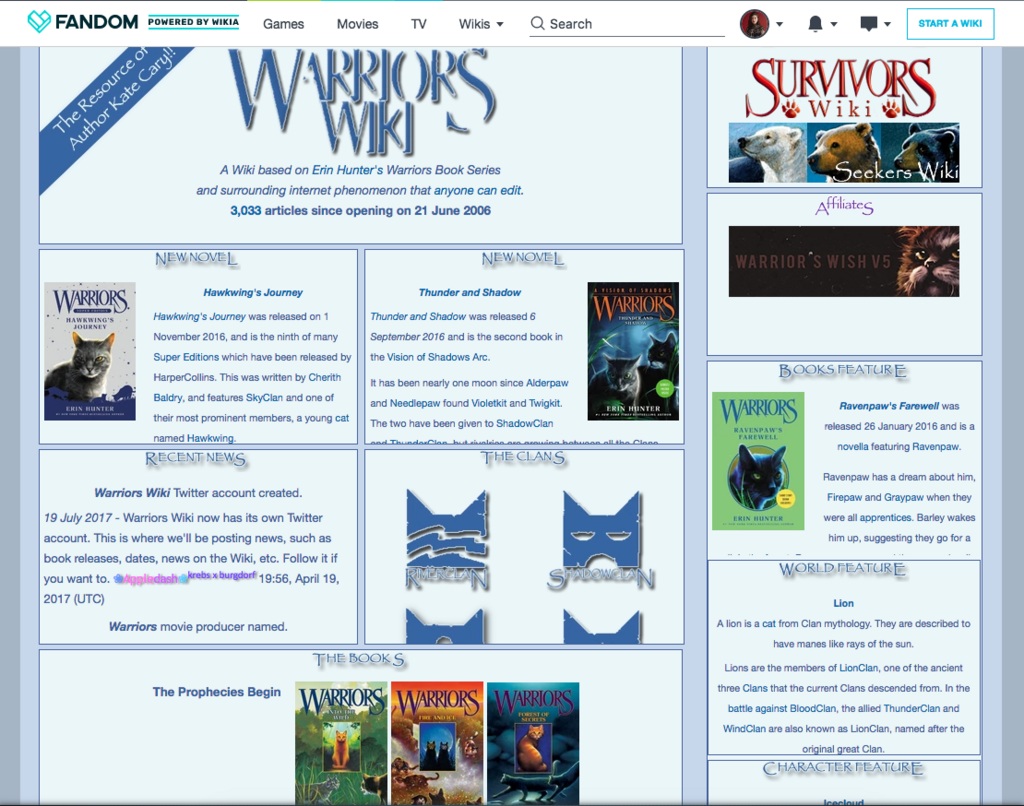
Fandom (previously Wikia) is a hosting service for open-access wikis that is supported by advertising.
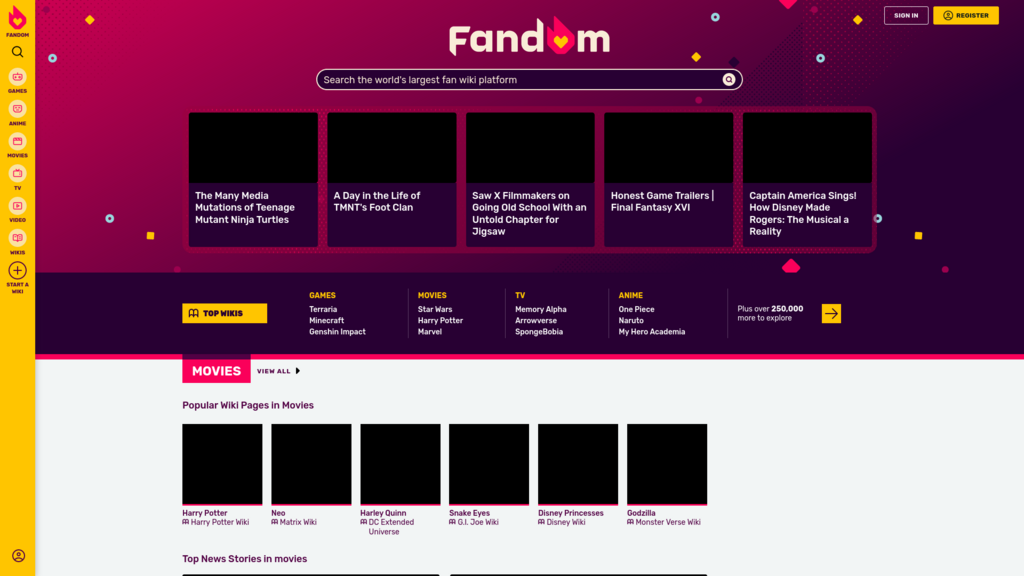
In 2016, Wikia rebranded as Fandom to better reflect its core identity. The name change signaled a strategic shift to fully embrace its role as the central hub for fan culture online. It wasn't just hosting wikis; it was cultivating an entire ecosystem for fans.
A Universe of Its Own
Today, Fandom hosts hundreds of thousands of individual communities. Its mission is to be the ultimate fan platform, providing the tools and space for users to create the most comprehensive sources of information about their favorite entertainment properties. These wikis are often more detailed and up-to-date than official sources, thanks to the tireless work of volunteer editors.
While Wikipedia documents reality, Fandom documents fictional worlds with the same level of detail and rigor.
This positions Fandom uniquely in the digital landscape. It's not quite a social media platform like Reddit or a pure encyclopedia like Wikipedia. Instead, it occupies a space in between, blending deep, structured information with active community participation. For millions of people, it's the go-to destination when they want to go deeper into the stories and characters they care about.