Fandom Monetization and Community Business
Understanding Fandom's Business Model
How Fandom Makes Money
Fandom hosts over 250,000 fan communities, creating a massive universe of user-generated content. But how does a platform built on volunteer contributions turn into a profitable business? The core of Fandom's strategy lies in leveraging its enormous, highly engaged audience.
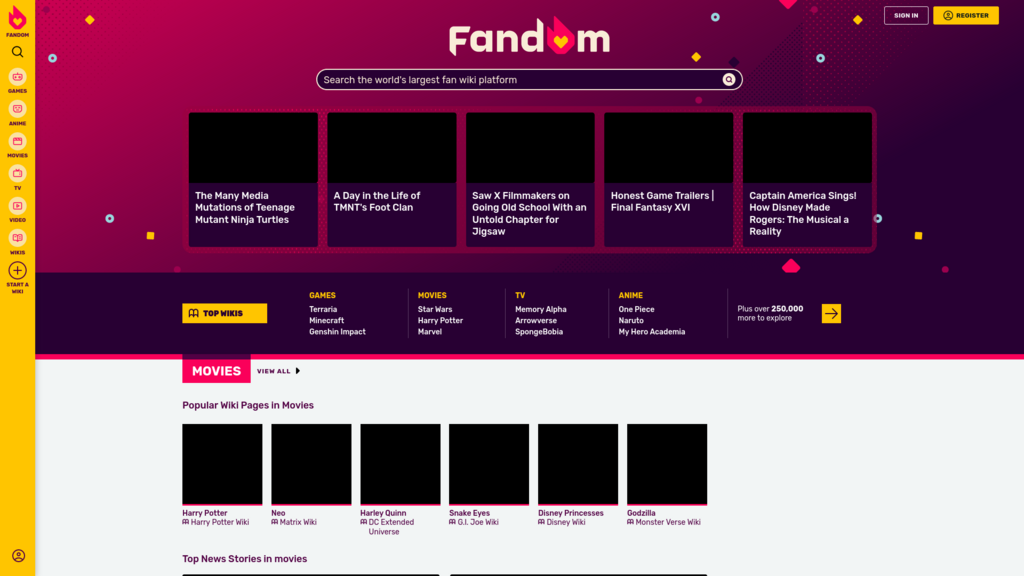
Think of Fandom as a collection of bustling digital cities, each dedicated to a specific movie, game, or TV show. The residents—the fans—build everything, from detailed character histories to intricate plot summaries. Fandom owns the land and the infrastructure, and it generates revenue by selling billboard space to advertisers who want to reach these passionate citizens.
Fandom's primary revenue stream derives from digital advertising displayed across its wiki pages and associated platforms, capitalizing on high traffic from fan communities.
This model is effective because the communities are incredibly specific. An advertiser isn't just targeting "gamers"; they're targeting fans of a particular fantasy RPG who are actively seeking information about it. This level of specificity is a goldmine for advertisers.
Smarter Advertising
To refine its advertising model, Fandom introduced Fandomatic. This is a self-service platform that lets advertisers tap directly into Fandom's data. It allows companies to programmatically buy ad space targeted at very specific fan groups across the network.
Instead of just placing a generic ad on a gaming wiki, a company selling sci-fi collectibles can use Fandomatic to ensure their ads appear only to users browsing wikis for specific space opera franchises. This precision increases the relevance of the ads for users and improves the return on investment for advertisers, making Fandom's ad space more valuable.
Expanding Beyond Ads
Relying solely on advertising can be risky. To diversify its income, Fandom moved into e-commerce. A key step was acquiring Fanatical, an online video game retailer.
This move was a natural fit. Fandom already had millions of users reading about games, comparing characters, and researching strategies. By integrating an e-commerce platform, Fandom created a direct path from discovery to purchase. A user reading about a new game on a Fandom wiki can now be presented with an opportunity to buy it directly through Fanatical. This creates a new, significant revenue stream that complements its advertising business, turning passive readers into active customers.
By adding e-commerce, Fandom captures more of the value generated by its communities, moving beyond just showing ads to facilitating sales.
These strategies show how a community-driven platform can build a sustainable business. By understanding its users' passions and creating value for advertisers and partners, Fandom has turned fan-generated content into a powerful economic engine.
What is Fandom's primary method for generating revenue from its vast collection of user-created content?
Fandom's acquisition of the video game retailer Fanatical was a strategic move to diversify its revenue. This is an example of integrating which business model?