Family Weight Loss Dinner Plan
Understanding Nutritional Needs
Fueling the Family
Think of your family as a team. Each player has a different role and different needs, but everyone is working toward the same goal: staying healthy and energized. When it comes to nutrition, a one-size-fits-all approach doesn't work. A growing toddler, a teenager in a growth spurt, and a desk-working adult all require different fuel to perform their best.
Understanding these unique nutritional needs is the first step in creating a healthy eating plan that supports everyone. The key is to focus on nutrient-dense foods that provide the right energy and building blocks for each stage of life. It’s less about strict rules and more about smart choices.
The Building Blocks of Health
Before we get into age-specific needs, let's cover the basics. All food is made up of macronutrients and micronutrients. Think of them as the fundamental components your body uses for everything from breathing to growing.
Macronutrients are the nutrients your body needs in large amounts. They provide calories, or energy. There are three types:
- Carbohydrates: The body's main source of fuel, essential for brain function and physical activity. Choose complex carbs like whole grains, fruits, and vegetables.
- Proteins: Critical for building and repairing tissues, like muscles and organs. Found in meat, dairy, beans, and nuts.
- Fats: Important for hormone production and absorbing certain vitamins. Focus on healthy fats from sources like avocados, nuts, and olive oil.
Micronutrients are the vitamins and minerals your body needs in smaller amounts. They don't provide energy directly, but they're crucial for countless processes that keep you healthy, like fighting infections and turning food into energy.
| Nutrient | Key Function | Common Sources |
|---|---|---|
| Calcium | Builds strong bones and teeth | Dairy, leafy greens, fortified cereals |
| Iron | Carries oxygen in the blood | Red meat, spinach, beans, lentils |
| Vitamin A | Supports vision and immune function | Carrots, sweet potatoes, spinach |
| Vitamin C | Fights infection, helps heal wounds | Oranges, strawberries, bell peppers |
| Vitamin D | Helps the body absorb calcium | Sunlight, fatty fish, fortified milk |
Age-Specific Needs
With those building blocks in mind, let's see how nutritional needs change throughout life. The right balance of nutrients shifts as we grow and age.
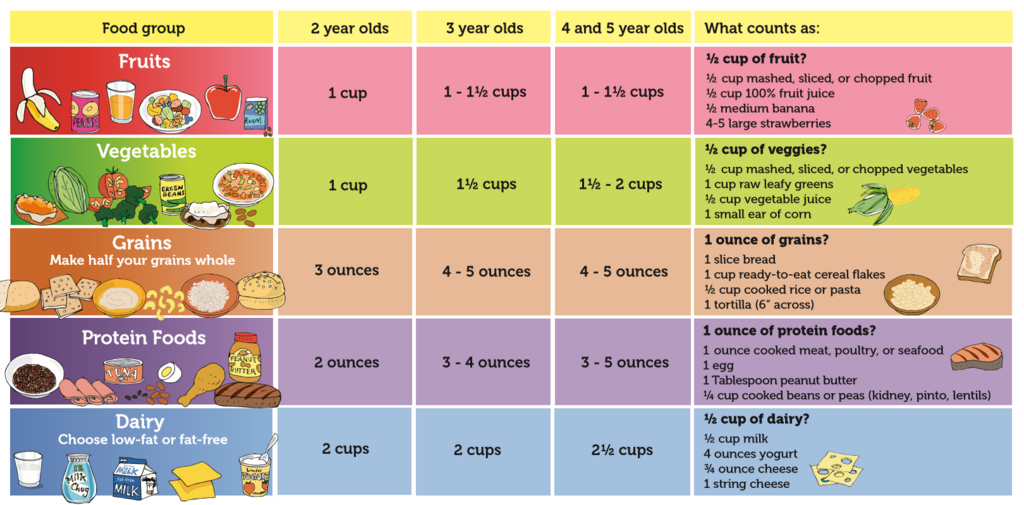
For young children, nutrition is all about growth and development. Their small bodies are building bones, muscles, and a complex brain at an incredible rate. They need plenty of protein for building tissues, calcium and vitamin D for strong bones, and iron to support brain development and prevent anemia. Because they have small stomachs, frequent, nutrient-dense meals and snacks are more effective than three large meals.
Teenagers are in the middle of another major growth spurt. Their calorie needs often skyrocket to fuel rapid changes in height, muscle mass, and bone density. Protein remains essential for growth, and calcium is critical for achieving peak bone mass, which helps prevent osteoporosis later in life. Iron is especially important for teenage girls to compensate for menstrual blood loss.
A moderately active teenage boy might need more calories than a sedentary adult man. Their energy needs are often surprisingly high.
For adults, nutritional needs shift from growth to maintenance and disease prevention. Metabolism naturally begins to slow down, so calorie needs may decrease slightly, especially for those with less active lifestyles. The focus moves toward a balanced diet rich in fiber, lean protein, and healthy fats to maintain a healthy weight, support heart health, and reduce the risk of chronic diseases like type 2 diabetes. Continuing to get enough calcium and vitamin D is also vital for maintaining bone density.
What About Calories?
Caloric needs vary significantly from person to person, based on age, sex, body size, and activity level. A calorie is simply a unit of energy. While counting them isn't necessary for everyone, understanding your family's general needs can help guide portion sizes.
An active person burns more calories than a sedentary one. A growing teenager needs more energy than a small child. The goal is to match energy intake with energy expenditure. A balanced diet full of whole foods often makes this happen naturally, as these foods are more filling and nutritious than processed options.
Now that you have a grasp on the different nutritional needs within a family, let's test your knowledge.
What are the three types of macronutrients that provide the body with energy?
A key nutritional focus for adults shifts from growth to maintenance and disease prevention.
Understanding these core principles is the foundation for building a healthier lifestyle for your entire family.