Family Nutrition Makeover
Understanding Nutrition Basics
What's In Your Food?
Think of your body as a complex, high-performance machine. To run smoothly, it needs the right kind of fuel. That fuel comes from the food you eat, which is made up of different components called nutrients. These nutrients give you energy, help your body grow and repair itself, and keep your internal systems working correctly.
Nutrients are generally sorted into two main categories: macronutrients and micronutrients. The names sound technical, but the idea is simple. 'Macro' means large, so these are the nutrients your body needs in larger amounts. 'Micro' means small, so you need these in smaller quantities. Both are essential for your health.
The Big Three Macronutrients
There are three macronutrients: carbohydrates, proteins, and fats. They provide your body with calories, which are units of energy.
Carbohydrate
noun
The body's primary source of energy, found in foods like grains, fruits, and vegetables.
Carbohydrates are your body's preferred fuel. When you eat carbs, your body breaks them down into glucose, a type of sugar that powers everything from your brain to your muscles. It’s like putting gasoline in a car. Without it, you’re not going anywhere. You'll find healthy carbohydrates in foods like brown rice, oats, fruits, and starchy vegetables like sweet potatoes.
Protein
noun
A nutrient essential for building, maintaining, and repairing tissues in the body.
Protein acts as the primary building block for your body. It’s used to build and repair tissues, make enzymes and hormones, and support your immune system. If your body is a house, protein provides the bricks, wood, and nails. Good sources include lean meats, fish, eggs, beans, nuts, and tofu.
Fat
noun
A nutrient that provides energy, supports cell growth, and helps the body absorb certain vitamins.
Fats often get a bad rap, but they are crucial for your health. They provide a concentrated source of energy, protect your organs, support cell growth, and help your body absorb certain vitamins. The key is to focus on healthy fats found in foods like avocados, nuts, seeds, and olive oil.
The Mighty Micronutrients
Micronutrients don't provide energy, but they are vital for your health. They are the vitamins and minerals that your body needs to function properly. Think of them as the skilled workers in a factory—you don't need many of them, but without them, production grinds to a halt.
Vitamins are organic compounds that perform hundreds of roles. Vitamin C helps your immune system fight off colds, while Vitamin D is crucial for absorbing calcium to build strong bones.
Minerals are inorganic elements with equally important jobs. Calcium, as mentioned, is a key component of bones and teeth. Iron is essential for making red blood cells that carry oxygen throughout your body.
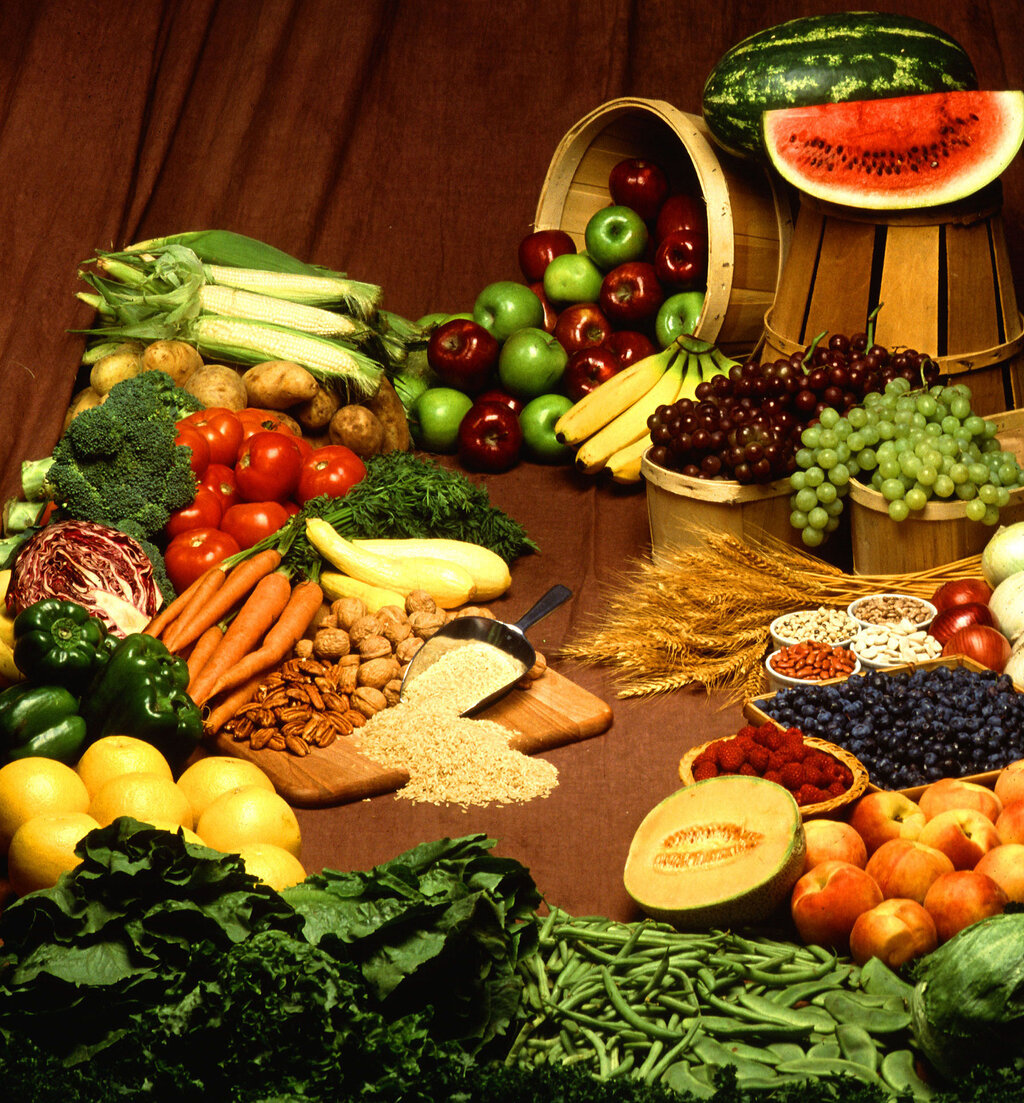
The best way to get a full spectrum of vitamins and minerals is by eating a colorful variety of foods. Different colors in fruits and vegetables often signal the presence of different nutrients.
Building a Balanced Plate
Knowing about nutrients is one thing, but how does that translate to your daily meals? A balanced diet is one that provides all the essential nutrients your body needs in the right proportions. Eating this way supports your energy levels, helps maintain a healthy weight, and can reduce the risk of chronic diseases.
To make this easier, the U.S. Department of Agriculture (USDA) created a simple visual guide called MyPlate. It replaces the old food pyramid with a clear, easy-to-understand image of a dinner plate.
MyPlate shows the five food groups that are the building blocks for a healthy diet:
- Fruits: Focus on whole fruits like apples, bananas, and berries.
- Vegetables: Vary your veggies. Eat a mix of leafy greens, bell peppers, broccoli, and more.
- Grains: Aim to make at least half your grains whole grains, such as oatmeal, whole-wheat bread, and brown rice.
- Protein: Choose a variety of lean protein sources.
- Dairy: Opt for low-fat or fat-free milk, yogurt, and cheese.
The model encourages you to fill half your plate with fruits and vegetables. The other half is split between grains and protein, with a side of dairy. It's a simple, powerful reminder of how to build a nutritious meal.
By teaching kids about MyPlate and the five food groups, they can start to make their own informed choices when it comes to their diet by learning how to create balanced meals that keep them healthy and energized.
Understanding these basic principles of nutrition is the first step toward building a healthier lifestyle. It's not about strict rules or depriving yourself of foods you love, but rather about creating a balanced pattern of eating that nourishes your body.
Time to check what you've learned.
What is the primary difference between macronutrients and micronutrients?
Which macronutrient acts as the primary building block for body tissues, enzymes, and hormones?
With this foundation, you can start making more informed choices about the food you eat every day.