Family Counseling for Deaf Mother-Daughter Pairs
Understanding Deaf Culture
Understanding Deaf Culture
Deaf culture isn't about an inability to hear. It's a vibrant and complex culture built around shared experiences, a common language, and a strong sense of identity. When we talk about this culture, we often use 'Deaf' with a capital 'D'. This distinguishes people who identify as culturally Deaf and use sign language from those who have a medical condition of hearing loss (written as 'deaf').
Being part of the Deaf community means sharing a visual language, like British Sign Language (BSL) or American Sign Language (ASL), and participating in a society with its own traditions, history, and values. It’s a perspective on the world, not a deficit.
Understanding the cultural context of a language is crucial for effective communication.
A Brief History
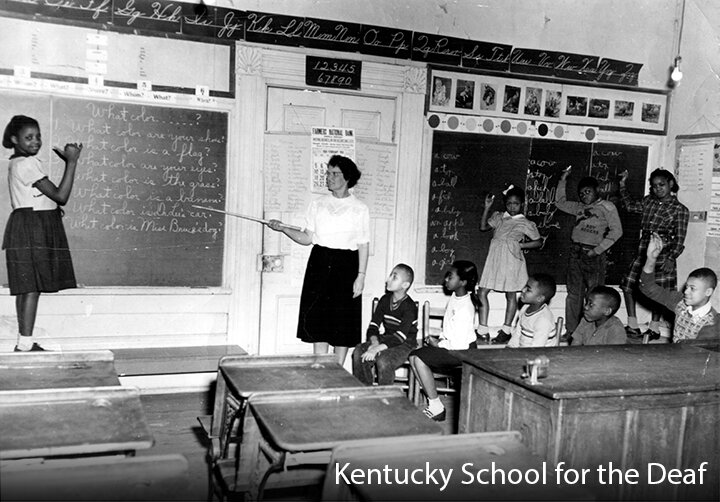
The history of Deaf culture is one of both community and struggle. For centuries, deaf people were often isolated. However, the establishment of residential schools for the deaf became a turning point. These schools brought deaf children together, creating an environment where a shared sign language and culture could flourish and be passed down through generations.
Historically, there was a strong push for 'oralism' — forcing deaf children to learn to speak and lip-read, often while forbidding the use of sign language. This was a difficult period that suppressed Deaf identity. The eventual recognition of sign languages as complete, legitimate languages was a crucial victory, affirming Deaf culture and its primary mode of communication.
Core Values and Norms
Several key values underpin Deaf culture. First and foremost is the importance of sign language. It's not just a communication tool; it's the heart of the culture, a symbol of identity and unity.
Communication norms are visually oriented. Sustained eye contact is essential; it signals that you are listening and engaged. Facial expressions and body language are not just supplementary, they are a grammatical part of sign language, conveying tone, nuance, and meaning. Another norm is directness. In Deaf culture, communication tends to be straightforward and clear to avoid misunderstanding. This might seem blunt to outsiders, but it's valued as a form of honesty and respect.
To get a Deaf person's attention, a gentle tap on the shoulder or waving a hand in their peripheral vision is common and acceptable. Flickering the lights is also used in group settings.
There's also a strong collectivist spirit. The Deaf community is often tight-knit, with a deep-rooted value placed on supporting one another. Information sharing is highly valued, as access to information can be a challenge in the wider hearing world. Deaf clubs, organisations, and events are central to community life, serving as hubs for socialising, sharing news, and preserving cultural traditions.

Why This Matters in Therapy
For a therapist, understanding Deaf culture is not optional — it is fundamental to providing effective care. Recognising a Deaf client's identity as a cultural one, rather than a medical one, is the first step. This cultural competence helps build the trust and rapport necessary for a successful therapeutic relationship.
Without this understanding, a therapist might misinterpret cultural norms. For example, the directness of Deaf communication could be mistaken for aggression, or the need for constant eye contact could be misread. Appreciating the history of oppression, particularly around language, helps a therapist understand the importance of providing a linguistically and culturally affirming space. Effective therapy for Deaf clients depends on seeing them through the lens of their culture, not their hearing status.
What is the primary distinction between using 'Deaf' with a capital 'D' and 'deaf' with a lowercase 'd'?
In the context of Deaf history, what was 'oralism'?