Family Bitcoin Reserve Strategy
Bitcoin Fundamentals
What Is Bitcoin?
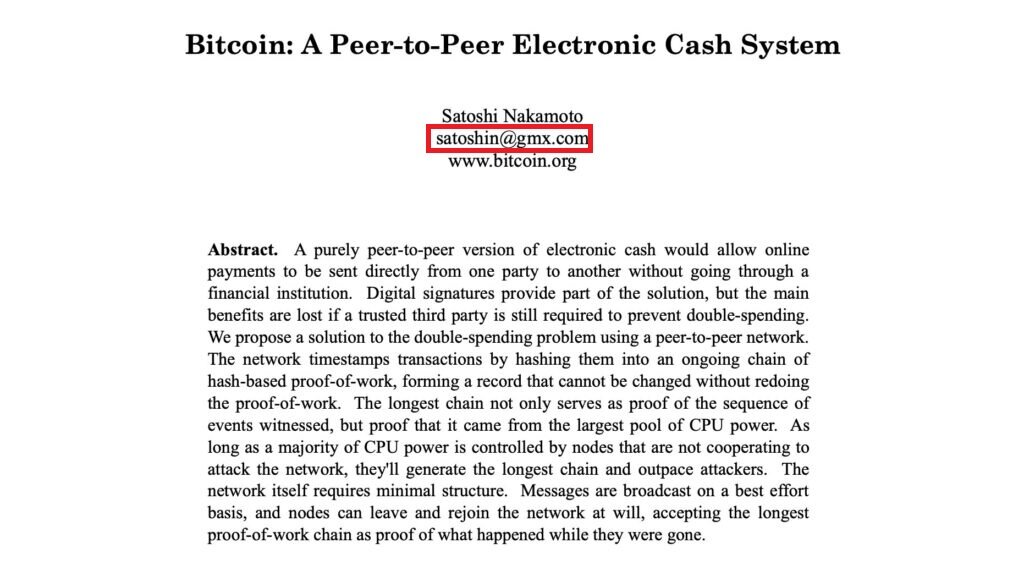
In late 2008, as the global financial system teetered, a mysterious figure named Satoshi Nakamoto published a paper online. It was titled "Bitcoin: A Peer-to-Peer Electronic Cash System."
Nakamoto’s idea was radical. He proposed a way to send money directly from one person to another without needing a bank or any other middleman. It would be a new form of digital cash, secured by cryptography and managed by a decentralized network of computers.
This wasn't just about creating a new currency. It was a response to the fragility of a financial system that relied on trusted third parties. Bitcoin was designed to be transparent, predictable, and open to anyone.
The Technology Behind It
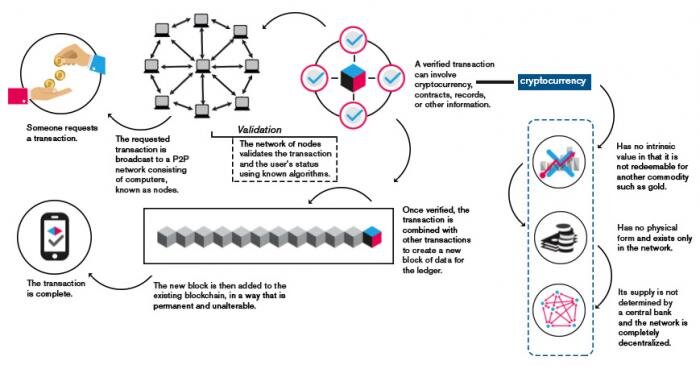
Bitcoin is powered by a technology called blockchain. Think of a blockchain as a shared digital ledger, almost like a global notebook that everyone can see but no one can change.
Every Bitcoin transaction is recorded in this ledger. These transactions are bundled together into "blocks." Each new block is cryptographically linked to the one before it, forming a chronological "chain." This structure makes the ledger incredibly secure. To alter a past transaction, you would have to redo all the blocks that came after it, which is practically impossible.
A blockchain is a chain of blocks, and each block is a collection of transactions. This chain creates a permanent, unchangeable record.
Because this ledger is public and distributed across thousands of computers worldwide, it is transparent and resistant to tampering. Everyone has a copy, so everyone can agree on the history of transactions.
No Bosses Allowed
This distributed nature is what makes Bitcoin decentralized. Traditional financial systems are centralized. A bank, for instance, sits in the middle of transactions, controls the ledger, and has the power to freeze accounts or reverse payments.
Bitcoin has no central authority. No company, government, or individual controls it. The network is maintained by a community of volunteers. This has profound implications:
- Censorship resistance: No one can stop you from sending or receiving bitcoins.
- No single point of failure: The network can't be shut down by attacking a central server because there isn't one.
- Inclusivity: Anyone with an internet connection can participate.
Creating New Coins
If there's no central bank, where do new bitcoins come from? They are created through a process called mining.
Miners are participants in the network who perform two crucial tasks:
- They validate transactions: Miners gather recent transactions into a block and verify their legitimacy.
- They secure the network: They compete to solve a complex mathematical puzzle. The first miner to solve it gets to add the next block to the blockchain.
As a reward for their work, the winning miner receives a certain amount of newly created bitcoin. This is how new coins enter circulation. It's a bit like a lottery that also happens to secure the entire payment system.
This process ensures that transactions are verified and added to the ledger in a secure and orderly way, all without a central authority.
Crucially, the total number of bitcoins that can ever be created is capped at 21 million. This rule is written into Bitcoin's code and cannot be changed. Unlike government-issued currencies, which can be printed at will, Bitcoin has a finite supply.
This scarcity is a key feature. It means that Bitcoin cannot be devalued by creating more of it, making it similar to a digital version of a scarce commodity like gold. This predictable supply is a core reason why many see Bitcoin as a long-term store of value.
Ready to test your knowledge? Let's see what you've learned about Bitcoin's core concepts.
What was the primary motivation behind Satoshi Nakamoto's creation of Bitcoin?
The technology that powers Bitcoin, which acts as a shared, unchangeable digital ledger, is called a ______.
Understanding these fundamentals is the first step. By grasping the 'why' behind Bitcoin, from its creation to its fixed supply, you can better appreciate its unique place in the financial world.