Fall Back Asleep Fast
Introduction to Sleep Physiology
The Rhythms of Rest
Sleep feels like switching off a light, but your brain is anything but inactive. While you're unconscious, your brain cycles through distinct stages, each with a unique purpose. Think of it less like a simple power-down and more like a carefully choreographed performance with multiple acts.
The entire performance is divided into two main types of sleep: Non-Rapid Eye Movement (NREM) and Rapid Eye Movement (REM). Over a typical night, you'll cycle through these stages several times, with each cycle lasting about 90 to 110 minutes.
The first act of the night is NREM sleep, which is itself broken down into three stages. This is where the heavy lifting of physical restoration happens.
Stage N1: This is the brief, drowsy transition from wakefulness to sleep. You're sleeping lightly and can be easily awakened. You might experience sudden muscle jerks or the sensation of falling.
Stage N2: You spend about half your total sleep time in this stage. Your brain waves slow down, with occasional bursts of rapid activity called sleep spindles. Your heart rate slows and your body temperature drops as your body prepares for deep sleep.
Stage N3: This is deep sleep, also known as slow-wave sleep. Brain waves are at their slowest during this phase. It's much harder to wake someone from N3 sleep, and if you do, they'll likely feel groggy and disoriented. This stage is critical for physical recovery, growth, and bolstering the immune system.
The Dreaming State
After cycling through the NREM stages, you enter the second type of sleep: REM. This is where the most vivid and memorable dreams occur.
During REM sleep, your brain activity looks remarkably similar to when you're awake. Your breathing becomes faster and irregular, and your heart rate and blood pressure increase to near-waking levels. As the name suggests, your eyes dart back and forth rapidly behind your closed eyelids. However, your body is essentially paralyzed. A mechanism in the brainstem temporarily immobilizes your voluntary muscles, preventing you from acting out your dreams.
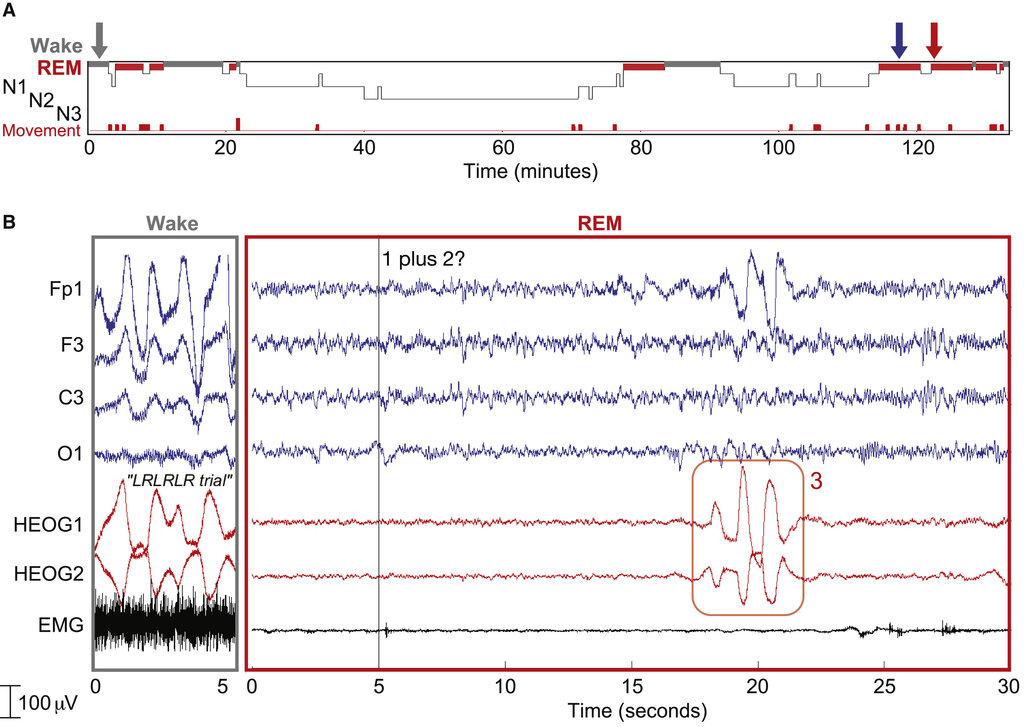
This stage isn't just for dreaming. REM sleep plays a crucial role in processing emotions and consolidating memories. It helps your brain sort through the day's information, strengthening important connections and discarding irrelevant data. Think of it as your brain's nightly filing and organization system.
The Body's Master Clock
What tells your body when to feel sleepy or wakeful? The primary conductor of this orchestra is your circadian rhythm, a natural, internal process that regulates the sleep-wake cycle and repeats roughly every 24 hours.
Circadian rhythms are physical, mental, and behavioral changes that follow a 24-hour cycle. These natural processes respond primarily to light and dark.
Your master clock is a tiny cluster of about 20,000 nerve cells in the hypothalamus called the suprachiasmatic nucleus (SCN). The SCN receives direct input from your eyes. When light hits your retina, it sends a signal to the SCN, which then coordinates clocks throughout your body.
Light exposure in the morning is the most powerful signal for keeping your circadian rhythm on track. It tells the SCN that it's daytime, promoting wakefulness and alertness. As darkness falls, the SCN signals the pineal gland to start producing melatonin, a hormone that makes you feel sleepy.
The Chemistry of Sleep
Your sleep-wake cycle is ultimately controlled by a complex interplay of chemicals in your brain. These neurotransmitters act like messengers, sending signals to different brain regions to either promote sleep or wakefulness.
Promoting Wakefulness:
- Acetylcholine: High levels of this neurotransmitter are associated with wakefulness and REM sleep. It's key for alertness and cognitive function.
- Dopamine: Often called the "feel-good" chemical, dopamine also plays a role in motivation and alertness. It helps keep you awake and engaged with your environment.
- Norepinephrine & Serotonin: These are most active during wakefulness, contributing to alertness and attention. Their levels drop significantly during sleep.
Promoting Sleep:
- Adenosine: This chemical builds up in your brain throughout the day while you're awake. The longer you're awake, the more adenosine accumulates, increasing the pressure to sleep. Caffeine works by blocking adenosine receptors, which is why it keeps you alert.
- GABA (gamma-aminobutyric acid): This is the main inhibitory neurotransmitter in the brain. It works by calming down nerve cell activity, reducing arousal and promoting sleep. Many sleep medications work by enhancing the effects of GABA.
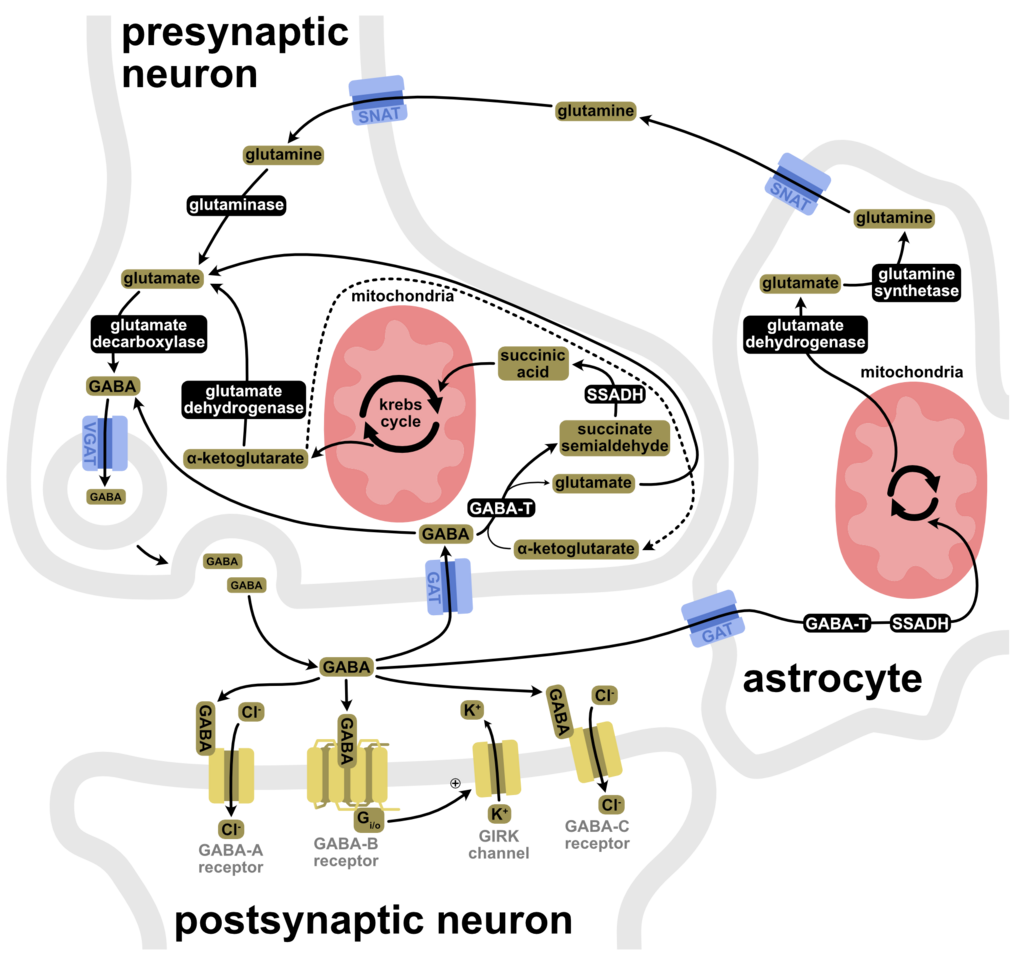
The balance between these sleep-promoting and wake-promoting systems is what governs your daily cycle of rest and activity. The circadian rhythm and the buildup of sleep pressure from adenosine work together to ensure you get the restorative sleep you need.
Which stage of NREM sleep is also known as slow-wave sleep and is most critical for physical recovery and growth?
During REM sleep, brain activity is high and resembles a waking state, but the body's voluntary muscles are temporarily paralyzed.
Sleep is an active, essential process. By understanding its stages, rhythms, and chemical drivers, we can better appreciate why a good night's rest is so fundamental to our health and well-being.