Falklands Malvinas Islands History
Early Exploration
The Race to the Horizon
In the late 15th and 16th centuries, European powers like Spain and Portugal were locked in a fierce competition. They sought new sea routes to the spices and silks of Asia, hoping to bypass the long and costly overland trails. This drive, fueled by advances in shipbuilding and navigation, launched the Age of Discovery. Ships pushed further into the unknown Atlantic than ever before, searching for riches, territory, and glory.
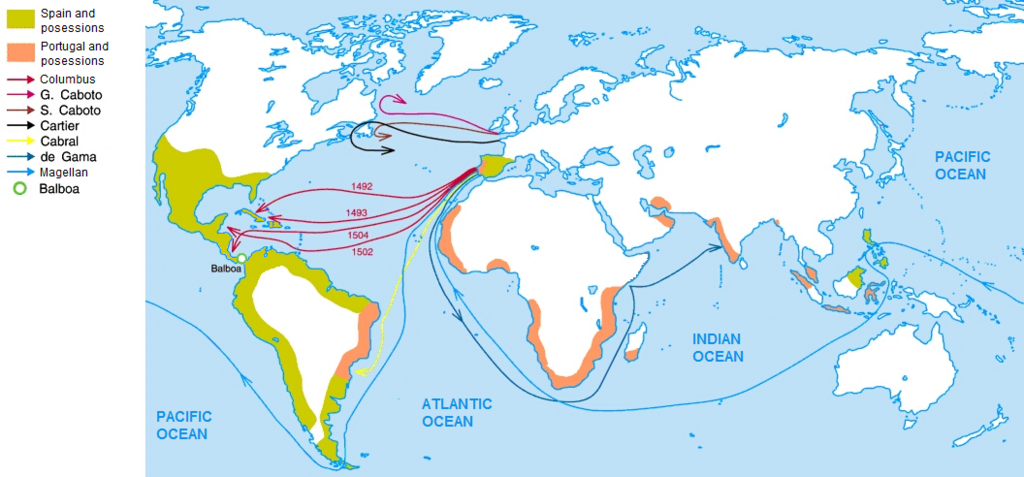
This era was not just about exploration; it was about empire-building. Every new island or coastline claimed was another piece added to a growing global puzzle of power and influence. The South Atlantic, a vast and intimidating expanse of ocean, became a new frontier.
A Line on a Map
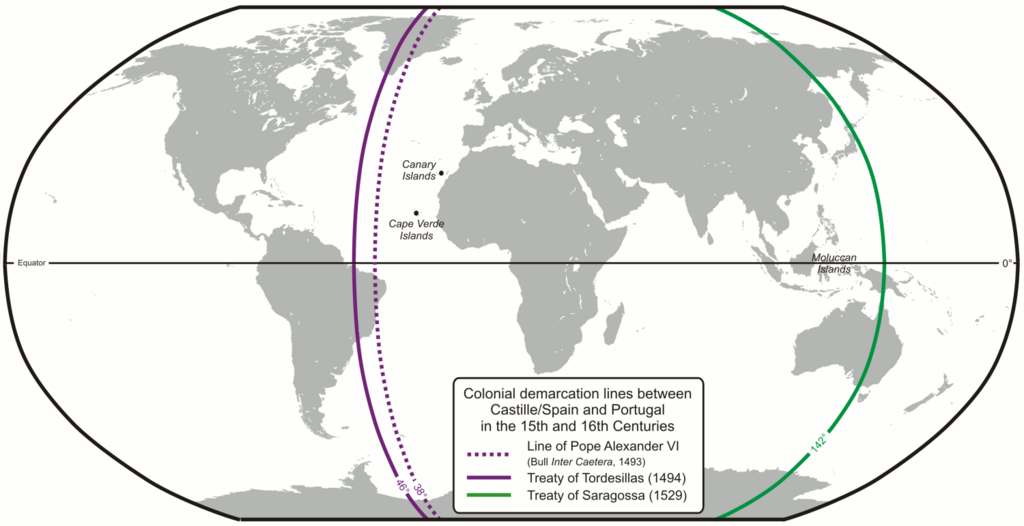
To prevent their rivalry from escalating into open war, Spain and Portugal turned to the Pope for mediation. The result was the Treaty of Tordesillas in 1494. This agreement drew an imaginary line down the globe, about 1,770 kilometers west of the Cape Verde Islands.
All newly discovered lands east of the line would belong to Portugal. Everything to the west would belong to Spain.
This treaty had enormous consequences. It effectively gave Portugal control over Africa and the route to India around the Cape of Good Hope, while Spain was granted rights to the vast, largely unknown lands of the Americas. The Falkland Islands, though not yet discovered, fell squarely on the Spanish side of this line, setting a precedent for Spain's future claims to the archipelago.
First Sightings
The exact identity of the first European to see the Falkland Islands is a matter of historical debate. Given their location near the treacherous sailing routes around South America, it's possible that Spanish or Portuguese mariners, blown off course from the Strait of Magellan, sighted the islands in the early 1500s. However, no conclusive records of such a discovery exist.
The first documented sighting is widely credited to the English navigator John Davis. In 1592, while commanding the ship Desire, his expedition was caught in a severe storm that separated them from the rest of their fleet. Davis sought shelter among a group of unfamiliar islands, which historians believe were the Falklands.
| Year | Explorer | Nation | Significance |
|---|---|---|---|
| 1592 | John Davis | England | First documented sighting of the islands. |
| 1600 | Sebald de Weert | Netherlands | Sighted the Jason Islands and named them the Sebald Islands. |
| 1690 | John Strong | England | Made the first recorded landing. Named the channel "Falkland Sound." |
It wasn't until nearly a century later, in 1690, that the first recorded landing occurred. English captain John Strong, sailing the Welfare, anchored in the channel between the two main islands. He named it Falkland Sound in honor of Anthony Cary, 5th Viscount Falkland, who was one of the commissioners of the Admiralty that had funded his voyage. Over time, the name came to be applied to the entire island group.
Despite these sightings and landings, no European power attempted to settle the islands. They were remote, the climate was harsh, and there were no obvious resources like gold or spices to exploit. For decades, they remained an isolated outpost on mariners' charts, noted for their value as a potential stop for fresh water and refuge for ships battling the violent seas of Cape Horn.
Let's review what we've learned about the early history of the Falklands.
What was the main motivation for European powers like Spain and Portugal to explore new sea routes in the late 15th and 16th centuries?
What was the purpose of the 1494 Treaty of Tordesillas?
The early sightings and claims laid the groundwork for a complex history. While the islands themselves were not immediately settled, their strategic position ensured they would not be forgotten.