Fact-Checking Health Headlines
Understanding Scientific Research
The Anatomy of a Research Paper
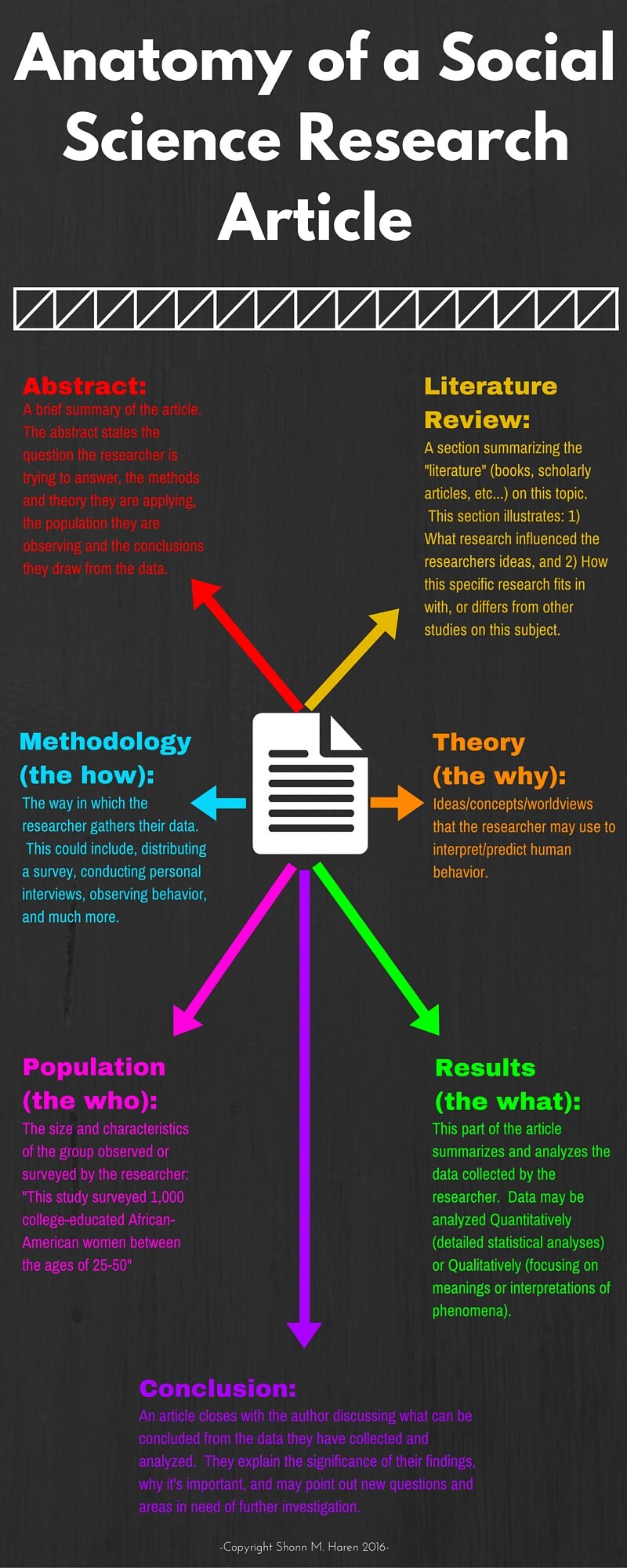
Scientific research papers can feel intimidating, but they follow a predictable structure. This format helps readers quickly understand what the study is about, how it was done, and what the researchers found. Think of it as a blueprint for presenting information clearly and logically.
Most papers are organized into sections, each with a specific job to do. Understanding this structure is the first step to reading scientific literature with confidence. It allows you to navigate the paper efficiently and find the information you need.
The Starting Point
Every journey needs a starting point. For a research paper, that's the Abstract and Introduction. These sections provide a high-level overview and set the stage for the details to come.
Use the title and abstract: Begin by reading the title and abstract to grasp the study’s main focus or research question, goals, and key findings.
The Abstract is a condensed summary of the entire article. In just a few hundred words, it outlines the study's background, methods, key results, and major conclusions. It’s designed to give you a snapshot of the research, helping you decide if the full paper is worth your time. If a health headline catches your eye, the abstract of the original study is the best place to get a quick, unfiltered look at the actual research.
The Introduction provides the background. It answers the question: "Why was this study done?" It typically starts with a broad overview of the topic, narrows down to what is already known from previous research, and then points out a gap in that knowledge. The introduction ends by stating the specific research question or hypothesis the study aims to address.
The Core of the Study
After the introduction, you get to the heart of the paper: the Methods and Results sections. This is where the researchers detail exactly what they did and what they discovered.
The Methods and Results sections form the backbone of a research paper, providing the "how" and the "what" of the study.
The Methods section is the recipe book of the study. It describes the step-by-step procedures the researchers followed. This includes who or what was studied (e.g., participants, cells), what measurements were taken, and how the data was collected and analyzed. This section needs to be detailed enough for another scientist to replicate the experiment, which is a cornerstone of the scientific process.
The Results section presents the findings of the study in a direct, factual manner. It reports the data collected without any interpretation or discussion of its implications. This is where you'll find the numbers, often presented in tables, charts, and graphs. It’s a straightforward account of what the researchers observed.
Making Sense of It All
The final parts of the paper, the Discussion and Conclusion, are where the researchers interpret their findings and explain what they mean.
The discussion section also usually tells you limitations of the study and topics for further research.
The Discussion is where the results are interpreted in the context of the research question and existing knowledge. Researchers will explain what their findings mean, how they relate to what other scientists have found, and why they matter. This is also where they will address any limitations of their study—no study is perfect, and acknowledging weaknesses is a sign of good research. The discussion might also suggest directions for future studies.
Finally, the Conclusion provides a brief wrap-up of the study’s main takeaways. It's a final, concise statement of the major findings and their significance. It answers the research question posed in the introduction and reinforces the key message of the paper.
Ready to test your knowledge? This quiz will help you check your understanding of how scientific papers are structured.
What is the primary purpose of the Abstract in a scientific paper?
If you wanted to understand exactly how the researchers conducted their experiment, including the specific procedures and tools they used, which section would you read?
By understanding this basic structure, you can read scientific articles more strategically and critically. This allows you to move beyond headlines and engage directly with the research itself.