Facilitating Multiphase Programmatic Workshops
MPA Workshop Architecture
Designing an Expert-Led MPA Workshop
When designing a workshop for mid-career professionals on the Multiphase Programmatic Approach (MPA), the goal isn't to teach from scratch. Your audience already understands development finance. Instead, your job is to create a structured environment for them to analyze, compare, and deepen their expertise. Forget the standard lecture format. Think of it as a 'knowledge bank' where the facilitator guides experts through complex case studies and strategic trade-offs.
The core of the workshop should be a comparative analysis between the MPA and traditional Investment Project Financing (IPF). Since your participants know IPF, use it as a familiar baseline to highlight what makes the MPA unique. The MPA's strength is breaking down large, uncertain, and long-term goals into a series of smaller, linked projects. This structure is ideal for situations where the path forward is not entirely clear from the outset, allowing for adaptation as conditions evolve.
The fundamental shift is from a single, rigid plan to an adaptive series of interventions that learn from each other.
Structuring the One-Day Agenda
A one-day agenda requires a tight focus. The morning can be dedicated to the architectural differences between MPA structures, while the afternoon shifts to practical application and management. The key is to move from theory to practice over the course of the day.
| Session | Topic | Activity Focus |
|---|---|---|
| 1 (90 min) | MPA vs. IPF Architecture | Case Study Analysis: Compare a traditional IPF with a vertical MPA for the same development problem. |
| 2 (90 min) | Vertical vs. Horizontal Structures | Group Debate: Assign teams to argue for a vertical or horizontal structure for a hypothetical infrastructure program. |
| 3 (90 min) | Adaptive Management & Learning | Workshop: Draft a high-level learning agenda for a given MPA scenario. What are the key uncertainties to resolve in Phase 1? |
| 4 (90 min) | Phasing, Financing, and PrDOs | Simulation: Model the financial implications of different phasing timelines and discuss maintaining a consistent Program Development Objective (PrDO) across phases. |
This agenda is built on interaction. Lectures are minimal, replaced by activities that force participants to apply concepts. The facilitator's role is to introduce the scenario, pose critical questions, and ensure the discussion stays focused on the strategic implications of choosing an MPA.
Vertical vs. Horizontal MPAs
A critical decision point in designing an MPA is its structure. Will it be vertical or horizontal? A vertical MPA involves a sequence of operations that build on each other to achieve a single, transformative objective. Think of constructing a national highway system: Phase 1 builds one section, Phase 2 builds the next, and so on. The success of each phase is a prerequisite for the next.
A horizontal MPA, by contrast, applies a consistent intervention across different units simultaneously. Imagine a national education reform program. The intervention (e.g., a new curriculum, teacher training) is the same, but it's rolled out in different provinces or districts in parallel phases. This allows for learning and comparison between units. You might discover the curriculum works well in urban schools but needs changes for rural ones.
Adaptive Management and Financing
The true power of the MPA lies in its requirement for an [{
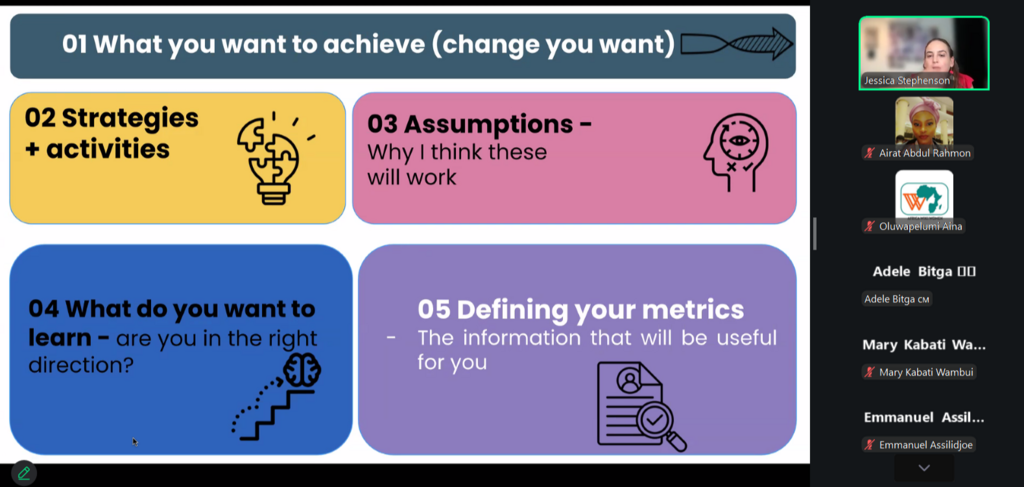
This learning component also impacts financing. Unlike a traditional IPF where the full project amount is committed upfront, an MPA involves a series of smaller financing packages. The total program 'envelope' is indicative, but funds for later phases are only committed after the successful completion of earlier ones. This creates performance incentives and reduces financial risk. For a workshop, a key exercise is to have participants model commitment fee scenarios, showing how the phased approach can be optimized to reduce costs for the borrowing country compared to a massive, single-tranche loan.
Designing a good workshop is about structuring an environment for collaborative problem-solving and strategic thinking.
A great way to test this understanding is to provide a case study and ask teams to define the triggers that would unlock financing for the next phase. What specific results, policy actions, or learning milestones must be achieved?
Ready to test your knowledge?
When is a Multiphase Programmatic Approach (MPA) most strategically advantageous compared to traditional Investment Project Financing (IPF)?
A government aims to modernize its national healthcare system. It plans to roll out a standardized digital health records system, province by province, over 10 years. Lessons from the rollout in the first set of provinces will be used to refine the approach for the next set. Which MPA structure does this scenario describe?
By focusing on these advanced, case-based activities, your workshop will empower experienced professionals to master the nuances of the Multiphase Programmatic Approach, moving them from knowing what it is to understanding how to deploy it effectively.