Faceless YouTube Channel Mastery
Understanding YouTube Basics
What is YouTube?
At its core, YouTube is a video-sharing platform where users can upload, view, rate, share, and comment on videos. It was founded in 2005 and quickly became the dominant place to watch and share video content online. Today, it's a massive global stage, part search engine, part entertainment hub, and part educational resource.
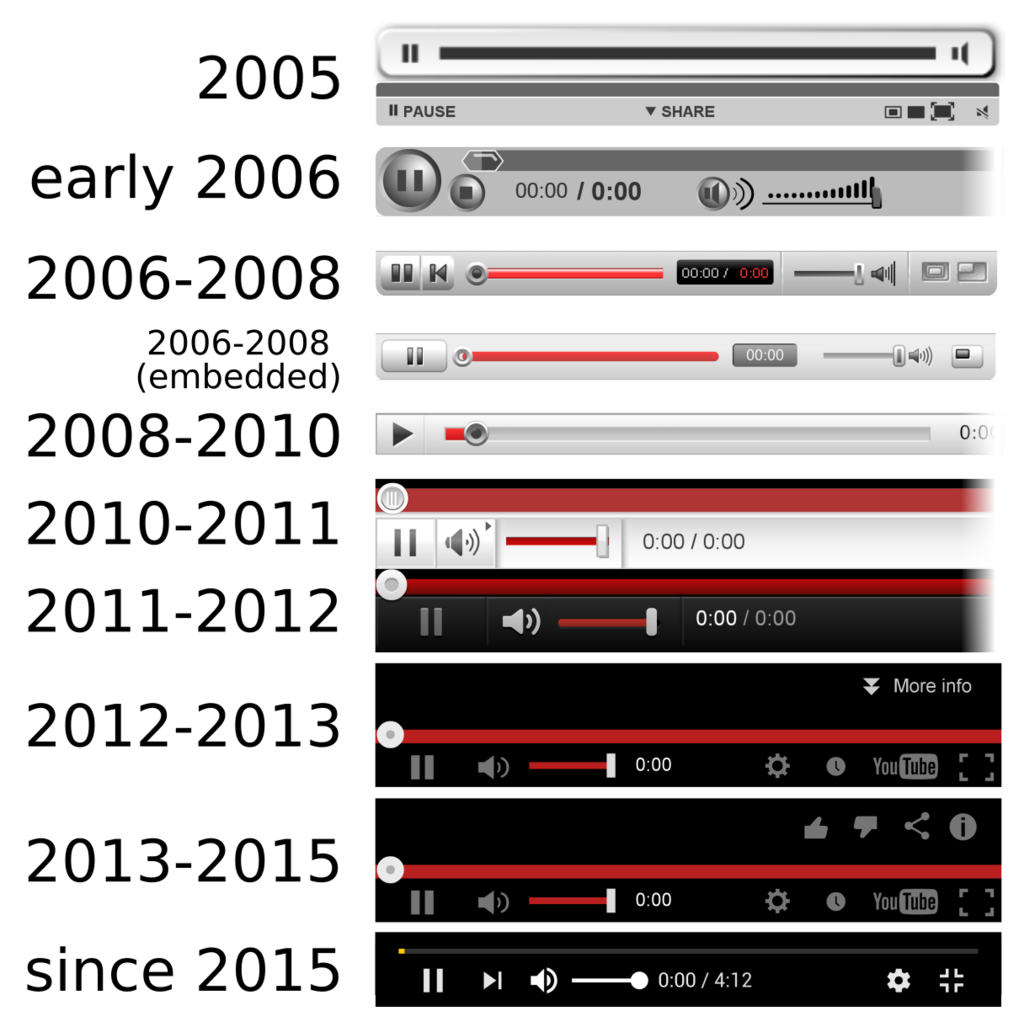
Think of it as the world's largest library of moving images. From professional news clips and music videos to amateur vlogs and tutorials, nearly every topic imaginable has a home on the platform. This vastness is its greatest strength. It gives anyone with a camera and an idea the potential to reach millions of people.
From the outset, YouTube’s value proposition hinged on empowering ordinary people—allowing anyone with an internet connection and basic recording equipment to reach a global audience.
The Rules of the Road
With such a massive and diverse community, YouTube needs rules to keep the platform safe and fair for creators, viewers, and advertisers. These are known as the Community Guidelines and Terms of Service. Before you upload anything, it's critical to understand the basics.
The guidelines cover several key areas. Copyright is a big one. You can't use someone else's music, video clips, or images without permission. Doing so can result in a copyright strike, which can lead to your video being taken down or even your channel being suspended.
YouTube also has strict policies against harmful content, such as hate speech, harassment, and dangerous misinformation. The goal is to create a positive environment. Finally, there are advertiser-friendly content guidelines. If you plan to monetize your channel, your videos must be appropriate for a broad audience and not contain sensitive topics like violence or adult themes.
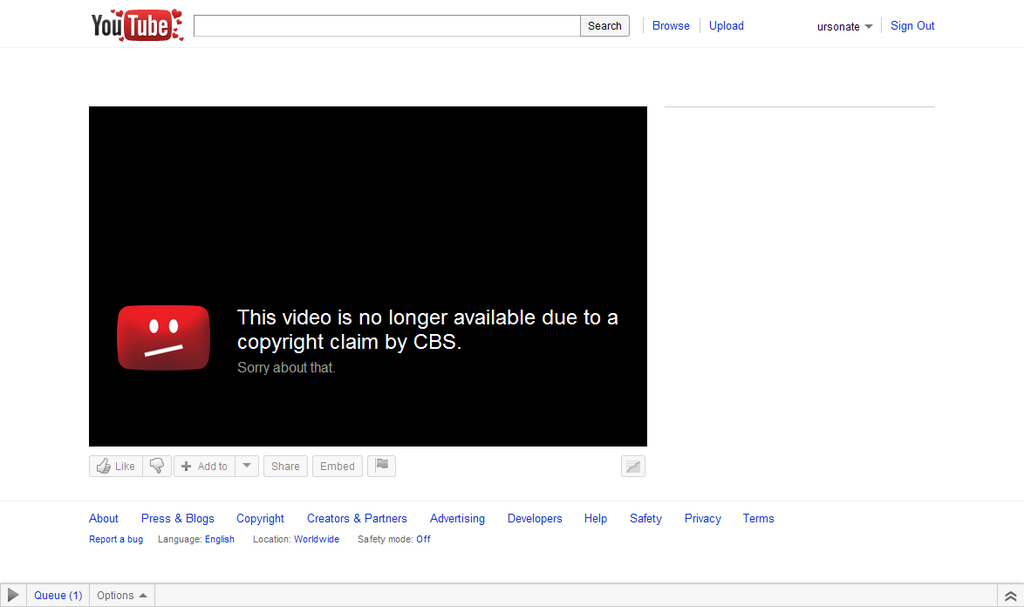
Ignoring these rules is the fastest way to fail. Familiarize yourself with them to ensure your channel has a long and healthy life.
Why Go Faceless?
A faceless YouTube channel is one where the creator doesn't appear on camera. Instead of relying on a personality, the content itself is the star. This can be done using stock footage, animations, screen recordings, or other visuals, combined with a voice-over.
Faceless YouTube channels allow creators to focus on the content rather than their appearance, and they offer complete privacy for those who prefer to remain anonymous.
There are several powerful advantages to this approach. The most obvious is privacy. Not everyone is comfortable being a public figure. A faceless channel allows you to share your knowledge or passion without revealing your identity.
It also puts the focus squarely on value. Viewers come for the quality of your information, storytelling, or entertainment, not for your personality. This can be freeing, as it removes the pressure to perform or maintain a certain on-camera persona.
Finally, faceless channels are often easier to scale. Since you aren't the bottleneck for filming, you can more easily hire scriptwriters, voice artists, and video editors to produce more content, turning your channel into a media brand rather than just a personal project.
The YouTube algorithm doesn’t care about your face. It cares about watch time, quality, and clicks — and that’s something anyone can master.
Now that you understand the landscape, let's test your knowledge.
What is the primary function of YouTube?
According to YouTube's Community Guidelines, what is a potential consequence of using someone else's copyrighted music in your video without permission?
With these fundamentals in mind, you're ready to start thinking about the next steps in your YouTube journey.