Faceless Social Media Content Creation
Understanding Faceless Content
Content Without a Face
On social media, the creator is often the star. We see their faces, hear their stories, and feel like we know them. But a growing number of creators are building huge followings without ever showing their faces. They're proving that you don't need to be a personality to make an impact.
This is called faceless content. It's any type of social media post—a video, an image, a story—that doesn't feature the creator's physical appearance. Instead, the focus is entirely on the value, entertainment, or information being shared.
With a faceless channel, you can prioritize content over personality: viewers tune in for what you say or show, not how you look.
Why go faceless? The biggest reason is privacy. Many people want to share their knowledge or creativity without opening up their personal lives to public view. It separates their online presence from their real-world identity, which can be a huge relief.
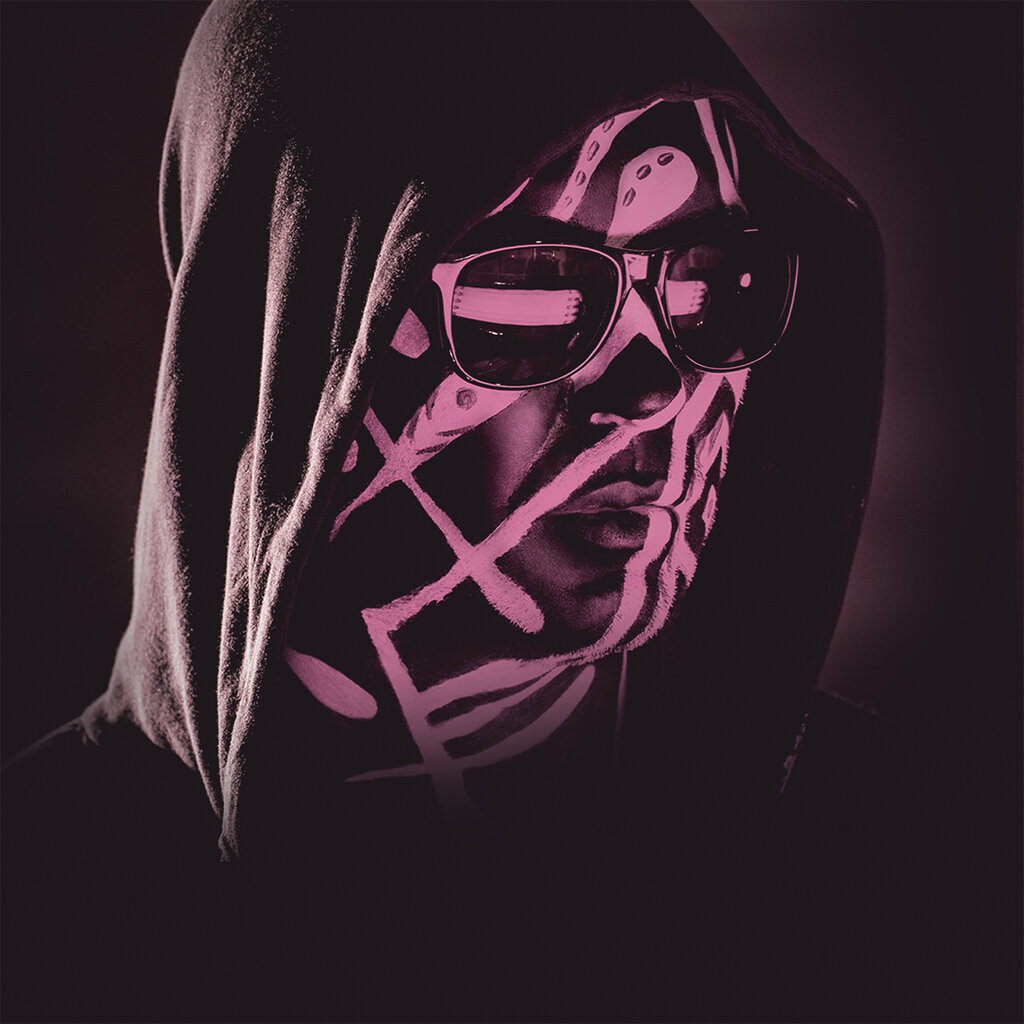
This approach also shifts the audience's attention. When a creator isn't on screen, the content itself has to do all the work. The quality of the information, the skill of the editing, or the strength of the storytelling becomes the main reason people follow and engage.
Forms of Faceless Content
Faceless content isn't just one thing. It comes in many forms, each suited to different platforms and topics. You've likely seen many of these without even realizing they were part of this trend.
| Format | Description | Example |
|---|---|---|
| Stock Footage Videos | Using high-quality video clips with a voiceover or text overlay. | A travel channel using scenic drone shots to narrate a city's history. |
| Screen Recordings | Showing a process on a computer or phone screen. | A tutorial on how to use a specific software application. |
| Text-Based Posts | Sharing information or stories using text on a simple background. | An Instagram account that posts daily motivational quotes or quick tips. |
| Animations & Graphics | Using animated characters or motion graphics to explain a concept. | An educational channel that simplifies complex science topics with cartoons. |
| Hands-Only Videos | Showing hands performing a task, like cooking, crafting, or unboxing a product. | A recipe video where you only see the hands preparing the ingredients. |
The key is that in every format, the value is delivered without the creator needing to be on camera. A calm voiceover, clear on-screen text, or captivating visuals become the new focal point.
The Rise of the Anonymous Creator
This trend is more than just a preference for privacy; it's changing the digital landscape. It lowers the barrier to entry for many would-be creators who are camera-shy or worried about the pressures of being a public figure. They can start sharing their passion without the hurdle of building a personal brand.
This movement proves that a strong message doesn't need a face attached to it. Quality and authenticity can speak for themselves.
As a result, social media feeds are becoming more diverse. We're seeing more niche topics and unique perspectives from people who might have otherwise stayed silent. It's a shift from personality-driven content to value-driven content, where what you know matters more than who you are.
Faceless formats allow creators to maintain privacy and reduce the pressure of building a personal brand, freeing them to focus on creative storytelling or education.
Let's review the key ideas.
Ready to test your knowledge?
What is the defining characteristic of "faceless content" on social media?
According to the provided text, what is the primary motivation for creators to produce faceless content?
By focusing on the message rather than the messenger, faceless content offers a powerful way to connect with an audience while protecting one's privacy.