Facebook Marketing for Writers
Understanding Facebook's Platform
Facebook's Building Blocks
Facebook isn't just one thing; it's a collection of tools. For a writer, the three most important are Profiles, Pages, and Groups. Each serves a different purpose, and using the right one is key.
A Personal Profile is your individual account. It's for connecting with friends and family. You send and accept friend requests, and you share personal updates. According to Facebook's rules, you shouldn't use your personal profile for commercial purposes, like exclusively promoting your books. It's meant for genuine, personal interaction.
An author Page is your professional presence. Think of it as your digital storefront or author headquarters. People "like" or "follow" your Page to get updates. Unlike a profile, a Page can have an unlimited number of followers. It also gives you access to advertising tools and analytics, so you can see how your posts are performing and who your audience is. This is the correct tool for building your public author brand.
Groups are communities. They are spaces for people with shared interests to have discussions. You could create a group for your readers to discuss your books, share fan theories, or talk about related genres. Groups are about conversation and community building, not just one-way announcements. They can be public, private, or even secret.
| Feature | Personal Profile | Author Page | Reader Group |
|---|---|---|---|
| Primary Use | Personal connections | Professional branding | Community discussion |
| Connections | Friends (limited) | Followers (unlimited) | Members |
| Analytics | No | Yes | Basic Insights |
| Advertising | No | Yes | No |
| Communication | Two-way | One-to-many | Many-to-many |
How Facebook Decides What You See
When you post from your author Page, not all of your followers will see it. This is because of Facebook's algorithm, a complex system that decides what content to show in a person's news feed.
The algorithm's main goal is to show people content they are most likely to find interesting and engaging. It prioritizes posts that generate interaction. The most important signals are comments, shares, and reactions (like, love, etc.).
The more people engage with your post, the more people Facebook will show it to.
This means that simply posting a link to buy your book probably won't get much visibility. The algorithm favors posts that spark conversation. Posing a question, sharing a behind-the-scenes photo, or running a poll are more likely to get the engagement that leads to wider reach.
Who Uses Facebook?
Facebook's user base is massive and diverse, covering nearly every demographic imaginable. While younger audiences have partially migrated to other platforms like Instagram and TikTok, Facebook remains dominant, especially among adults.
Globally, it has billions of users. In North America and Europe, a significant portion of the adult population is on the platform. The age demographic skews older than many other social networks, with users aged 30 and above making up a very large segment. This is often an ideal demographic for authors, as these users tend to have more disposable income and established reading habits.
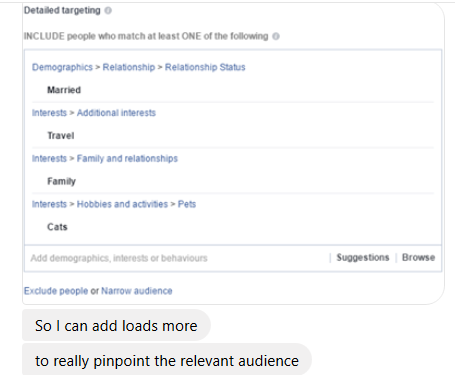
The platform's strength lies in its interest-based targeting. Users provide vast amounts of data about their hobbies, the pages they like, and the groups they join. This allows an author of historical fiction, for example, to connect with people who have explicitly shown an interest in history, specific historical periods, or other authors in that genre.
Time to check what you've learned.
An author wants to create a dedicated online space for their most avid readers to discuss plot theories, share fan art, and connect with each other. Which Facebook tool is best suited for this purpose?
What is the primary advantage of using a Facebook Page over a Personal Profile for an author's professional brand?
Understanding these core elements is the first step to building an effective presence on the platform.