Face Reading Physiognomy Explained
Introduction to Physiognomy
What Is Physiognomy?
Have you ever gotten a strong first impression of someone just by looking at their face? This intuitive sense is at the heart of an ancient practice called physiognomy. At its core, it's the art of judging a person's character or personality from their outward appearance, especially their facial features.
Physiognomy
noun
The assessment of a person's character or personality from their outer appearance, especially the face.
Practitioners believe the face is a map of a person's inner self. The shape of your nose, the distance between your eyes, or the curve of your lips are all seen as clues to your temperament, talents, and even your destiny. It's an idea that has captivated people for thousands of years, long before modern psychology existed.
According to physiognomy, your face tells the story of who you are, what you've experienced, and your innate tendencies.
A Look Back in Time
The roots of physiognomy stretch deep into the ancient world. In ancient Greece, notable thinkers like Aristotle wrote about the connection between appearance and character. He might observe, for example, that people with features resembling a lion were likely to be brave. This idea wasn't just a fleeting thought; it was a serious topic of study for philosophers.
The practice flourished through the Roman era and the Middle Ages, often blending with astrology and medicine. By the Renaissance, it was a popular art, with scholars and artists alike studying the human face to better understand and portray human nature.
Physiognomy saw a huge revival in the 18th and 19th centuries, especially with the work of Johann Kaspar Lavater, a Swiss poet and philosopher. His essays on the subject became bestsellers across Europe, making face reading a popular parlor game and a serious topic of discussion. It was seen as a way to gain insight into the people around you, from potential business partners to romantic interests.
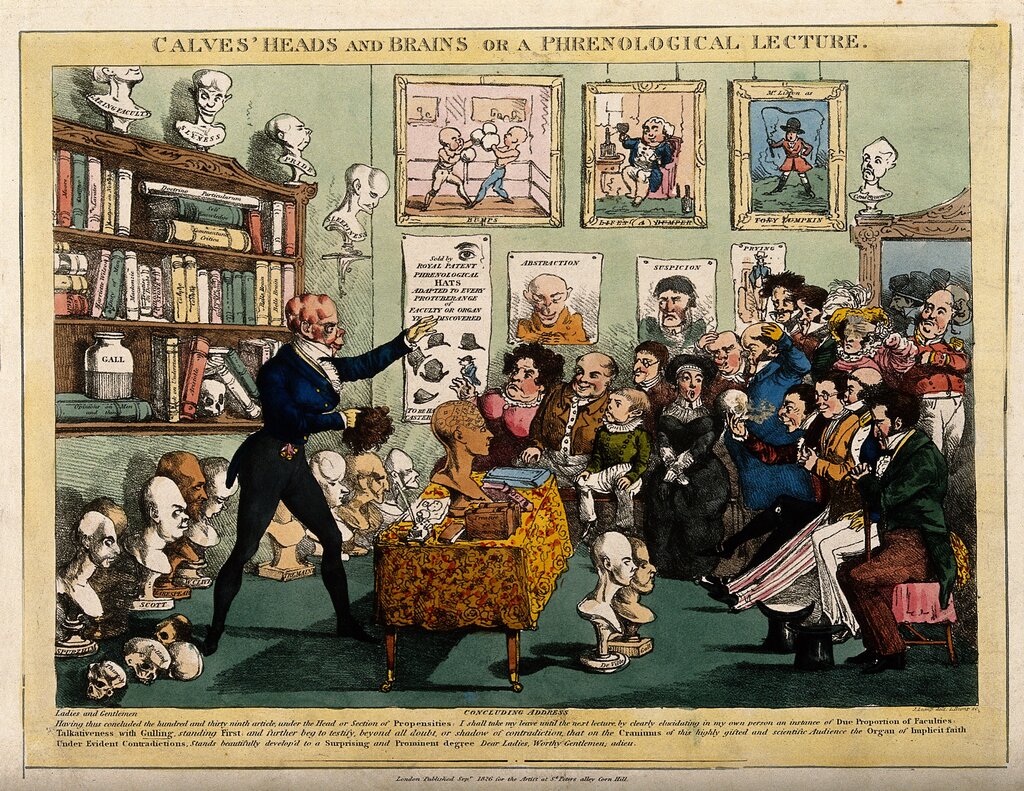
The Principles of Face Reading
So, how does face reading work according to its believers? Physiognomists divide the face into different zones, with each major feature holding specific meanings. While systems vary, they share some common principles.
The face is often read in three main zones:
- The Forehead (Mental Zone): A broad, high forehead is traditionally linked to intelligence and wisdom. The shape and lines on the forehead are thought to reflect a person's thought processes.
- The Eyes and Nose (Practical Zone): This area, from the eyebrows to the base of the nose, is said to relate to a person's ambition and abilities in the real world. Bright, clear eyes might suggest vitality, while the shape of the nose could indicate financial sense.
- The Mouth and Chin (Instinctive Zone): This lower region is connected to a person's desires, emotions, and willpower. For example, full lips might be associated with generosity and a strong chin with determination.
A key idea in physiognomy is that nothing on the face is accidental. Every feature, from the arch of an eyebrow to the set of the jaw, contributes to the overall picture of a person's character.
Cultural Significance
Physiognomy wasn't just an abstract study; it had real-world applications across different cultures. In ancient China, face reading, known as Mian Xiang, is a sophisticated art that remains influential today. It's used to gain insight into a person's health, wealth, and destiny, sometimes even informing business and personal decisions.
Face reading
In Europe, physiognomy influenced everything from art to criminology. Artists used its principles to create characters that looked heroic or villainous. Some early criminologists even tried to identify criminal types by their facial features, an idea that has since been widely discredited.
From choosing an emperor in China to hiring an employee in Victorian England, physiognomy has played a significant role in how people have tried to understand each other for centuries. It reflects a deep-seated human desire to look for clues in the face—the most expressive part of our body.
What is the central concept of physiognomy?
Which historical figure was instrumental in the revival and popularization of physiognomy across Europe in the 18th century with his bestselling essays?
Though many of its ideas have fallen out of favor, understanding physiognomy gives us a fascinating glimpse into the history of how we've tried to make sense of human nature.