Fabricating Brass Stair Railings
Introduction to Brass Railings
A Timeless Shine
Walk into a historic building, a grand hotel, or an old theater, and your eyes are often drawn to the warm, golden gleam of brass railings. For centuries, architects have used brass to add a touch of elegance and permanence to their designs. It has a weight and richness that other materials can't quite match, suggesting both luxury and tradition.
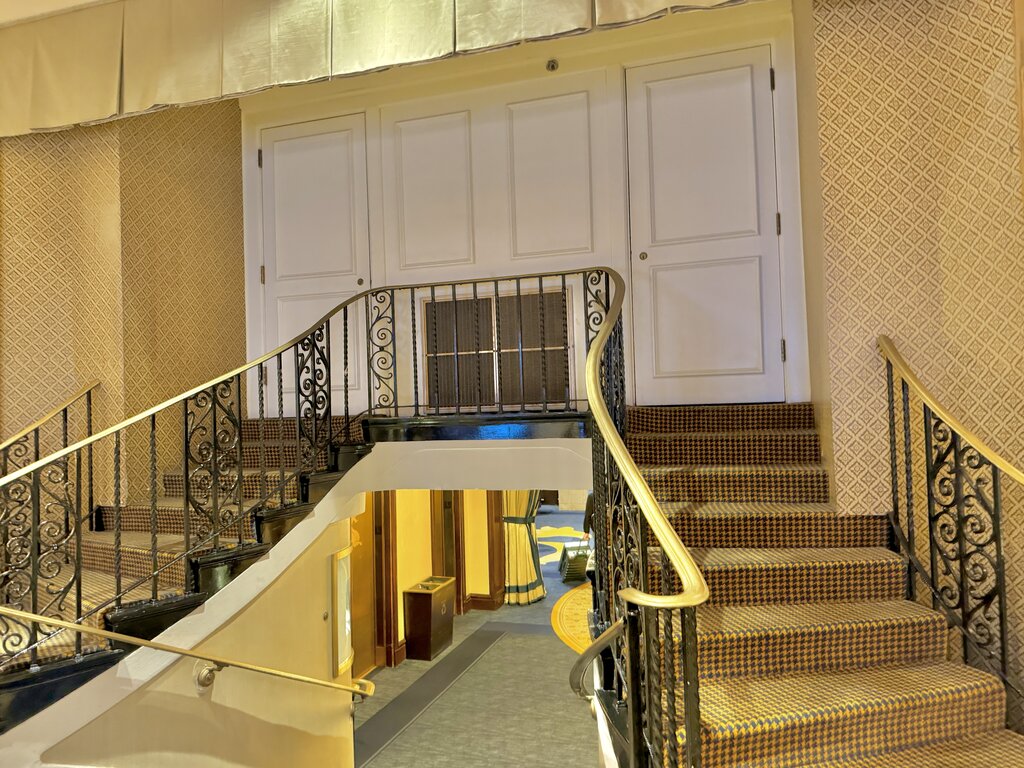
This historical appeal isn't just about looks. Brass was chosen for its substance. Before modern manufacturing made other metals common, brass was a reliable and distinguished choice for high-traffic areas. A well-made brass railing was a statement—it signaled quality and an investment in craftsmanship that would last for generations.
More Than Just Looks
The secret to brass's endurance lies in its composition. It’s not a pure metal, but an alloy.
Alloy
noun
A metal made by combining two or more metallic elements, especially to give greater strength or resistance to corrosion.
Specifically, brass is a combination of copper and zinc. This pairing gives it the best of both worlds. The copper provides excellent resistance to corrosion—brass doesn't rust like iron or steel. The zinc adds strength and hardness, making the final material durable enough to withstand daily use as a handrail for decades.
This natural durability means brass railings require surprisingly little maintenance. While they can develop a patina, or a thin layer of tarnish, over time, this is often a desired effect that adds character. If a bright shine is preferred, it can be easily restored with a simple polish. This resilience makes brass a practical choice, not just a decorative one.
Classic and Contemporary
One of the greatest strengths of brass is its versatility. It fits just as comfortably in a minimalist modern home as it does in an ornate historical building. The material itself can be shaped, finished, and styled in countless ways.
In traditional designs, brass is often polished to a high shine and paired with intricate ironwork. In contemporary spaces, it might be brushed for a satin finish and used in clean, simple lines to add a touch of organic warmth to concrete or glass.
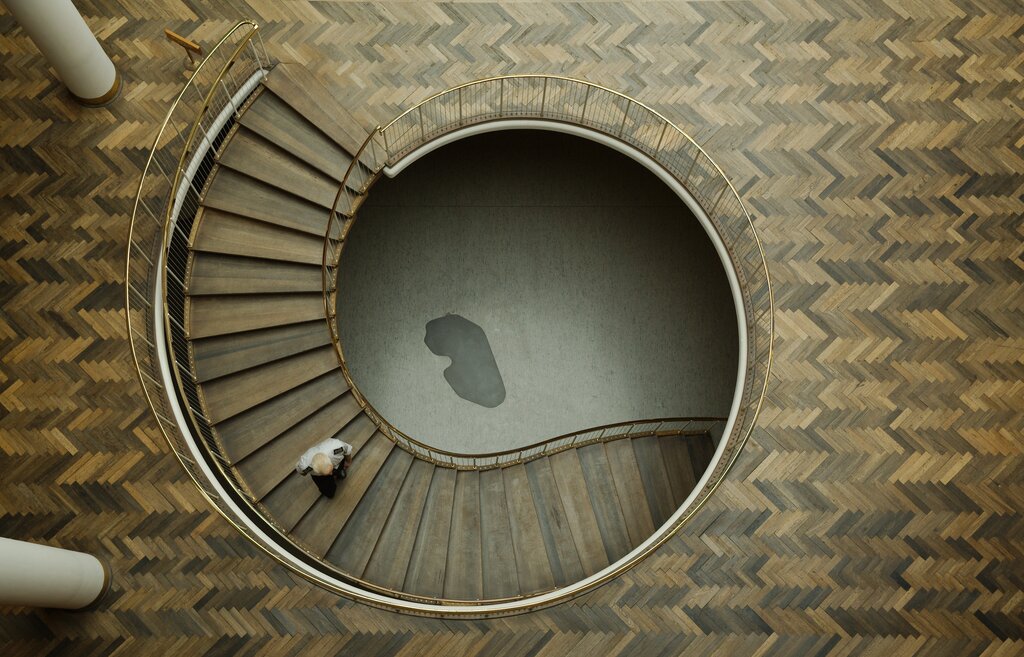
This adaptability ensures that brass railings never go out of style. Whether the goal is to create a sense of old-world grandeur or to introduce a subtle, warm metallic accent into a modern design, brass is a fitting choice. It bridges the gap between different eras and aesthetics.
Let's review the key ideas about brass.
Now, check your understanding of what makes brass a unique and valuable material for railings.
What are the two primary metals combined to create the alloy brass?
Why are brass railings a good choice for longevity, especially compared to railings made of iron or steel?
With its blend of beauty, strength, and versatility, brass has earned its place as a classic architectural element.