Fabricating a Tissue Indenter for Soft Tissue Analysis
Introduction to Tissue Indentation
The Science of the Poke
How do you measure the squishiness of something? It’s a simple question with a surprisingly complex answer, especially when that “something” is living tissue. In biomedical engineering, we often need to know the mechanical properties of tissues, like how stiff or soft they are. This is crucial for designing artificial heart valves, engineering new tissues, or understanding how diseases affect the body.
One of the most direct ways to do this is through a technique called indentation. At its core, indentation is a controlled and precise poke. An instrument presses a small tip, called an indenter, into the surface of a tissue sample and measures how the tissue responds. Think of it like pressing your finger into a memory foam pillow. How much force you use and how deep your finger sinks in tells you a lot about the pillow's material.
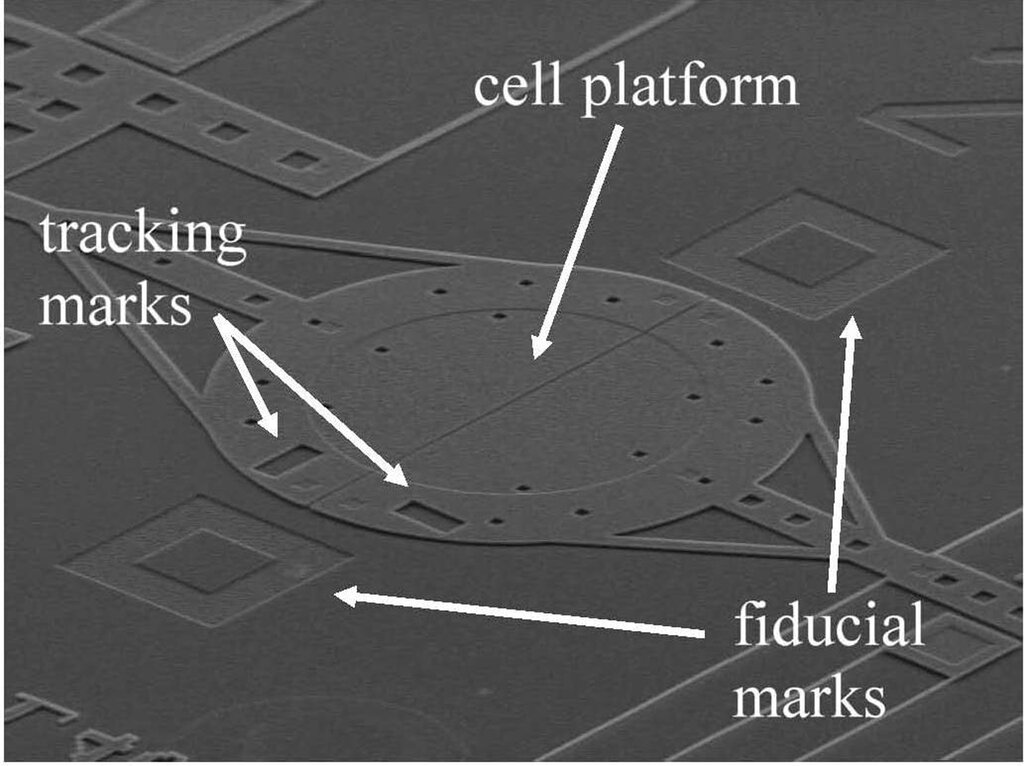
By carefully analyzing this interaction, scientists can calculate key properties like stiffness and elasticity. This data helps them build better medical implants that mimic natural tissue or diagnose conditions that cause tissues to harden, like fibrosis.
Tools of the Trade
The shape of the indenter tip matters. Different shapes are used to probe tissue properties in different ways, as each one distributes force differently across the tissue surface.
A spherical indenter provides a smooth, distributed pressure, good for getting an average measurement over an area. A sharp, conical indenter concentrates force at a single point, which is useful for probing very specific, small-scale features. A flat-punch indenter applies uniform pressure over a circular area, ideal for testing how a material behaves under even compression.
Reading the Response
During an indentation test, two key parameters are recorded: the force applied by the indenter and the depth it penetrates the tissue. This relationship is often plotted on a graph, creating a force-displacement curve that acts like a mechanical signature for the tissue.
But soft tissues aren't simple springs. They are viscoelastic, meaning their response depends on both how much they are deformed and how quickly. This property is a combination of viscosity (resistance to flow, like honey) and elasticity (the ability to spring back, like rubber). When an indenter is held at a constant depth, the tissue will slowly relax, and the force required to hold it there will decrease over time. This time-dependent behavior is a hallmark of biological materials.
A tissue’s viscoelasticity is why the loading and unloading curves don't match. The area between them represents energy that was absorbed by the tissue during the test, often as heat.
Several other factors can influence the results. The tissue's hydration level is critical, as water content significantly affects stiffness. The temperature of the sample and the speed of the indentation test also play important roles. Researchers must carefully control these variables to get reliable and repeatable measurements.
Ready to test what you've learned?
What is the primary purpose of the indentation technique in biomedical engineering?
An engineer wants to measure the average stiffness over a small area of tissue, avoiding high-pressure points. Which indenter shape would be most suitable for this task?
By understanding these fundamentals, engineers and scientists can better interpret the mechanical language of our bodies.