FAA Part 107 Exam Preparation
Regulatory Framework and Rules
The Rules of the Sky
Flying a drone for business isn't the same as flying for fun. Once you move from hobbyist to professional, you operate under a specific set of federal regulations known as 14 CFR Part 107. This is the rulebook established by the Federal Aviation Administration (FAA) for all commercial small Unmanned Aircraft Systems (sUAS) operations in the United States.
Think of Part 107 not as a set of restrictions, but as a framework for flying safely and predictably within the National Airspace System, alongside crewed aircraft.
The Buck Stops with the RPIC
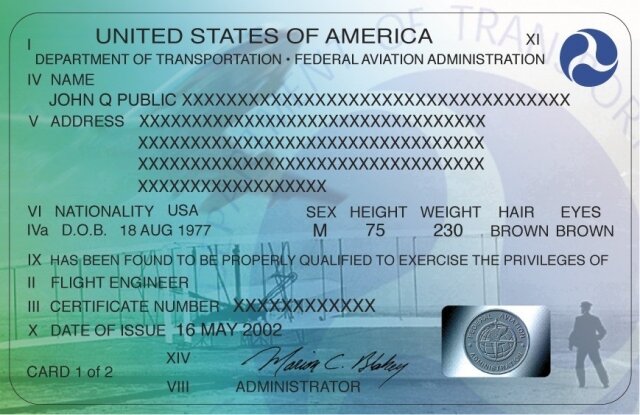
For every commercial drone flight, one person holds the ultimate responsibility for safety and legal compliance: the (RPIC). This is the person with the Part 107 certificate. Even if someone else is physically flying the drone, the RPIC is the final authority for the operation.
Key responsibilities include conducting a pre-flight check of the sUAS and the control station, ensuring the weather is safe for flight, and scanning the airspace for any potential hazards. You must also ensure the drone has all required registration and markings.
Registration and Remote ID
Just like a car, your drone needs a license plate. Any sUAS weighing 0.55 pounds (250 grams) or more must be registered with the FAA. The registration number must be visible on the exterior of the aircraft.
A newer rule, , acts as a digital license plate. It requires most drones to broadcast identification and location information during flight. This allows the FAA, law enforcement, and other federal agencies to identify drones flying in their jurisdiction. There are three ways to comply: fly a drone with built-in Standard Remote ID, attach a broadcast module to your drone, or fly exclusively within an FAA-Recognized Identification Area (FRIA).
Core Operational Limits
Part 107 establishes a standard flight envelope to ensure sUAS don't interfere with crewed aircraft. Unless you have a specific waiver from the FAA, you must follow these core rules.
| Limitation | Rule | Purpose |
|---|---|---|
| Altitude | 400 feet Above Ground Level (AGL) | Stays below most crewed aircraft traffic. |
| Speed | Max 100 mph (87 knots) | Ensures the pilot can maintain control and react to hazards. |
| Visibility | Maintain 3 statute miles | Guarantees enough distance to see and avoid other aircraft. |
| Clouds | 500 feet below, 2,000 feet horizontally | Prevents entering clouds where you lose sight of the drone. |
The most fundamental rule is maintaining Visual Line of Sight (VLOS). The RPIC or a designated Visual Observer (VO) must be able to see the drone with their own eyes (corrective lenses are fine) at all times. This means no flying behind buildings, through fog, or relying solely on a video feed. The point is to be able to scan the surrounding airspace for other aircraft or hazards.
Advanced Operations
The FAA has updated Part 107 to allow for more complex flights without requiring a waiver, provided you follow specific rules.
Operations Over People & Moving Vehicles: This is now permitted under four categories, depending on the drone's weight and design. For example, a Category 1 drone (under 0.55 lbs) can fly over people, while heavier drones must have safety features like covered propellers and meet FAA-accepted means of compliance for impact kinetic energy.
Night Operations: Flying at night is allowed, but it's not as simple as taking off after sunset. The drone must be equipped with anti-collision lighting that is visible for at least 3 statute miles. The RPIC must also complete an updated initial knowledge test or recurrent online training that covers night physiology and lighting requirements.
When Things Go Wrong
Even with careful planning, accidents can happen. Part 107 requires the RPIC to report any accident to the FAA within 10 calendar days if it results in:
- Serious injury to any person.
- Loss of consciousness.
- Property damage (excluding the drone itself) exceeding $500.
A 'serious injury' is defined by the FAA and includes things like broken bones or injuries requiring an overnight hospital stay. A minor cut or scrape would not trigger a reporting requirement.
This report is filed electronically through the FAA DroneZone portal. The goal is not to punish pilots, but for the FAA to collect data on sUAS accidents to identify trends and improve overall airspace safety.
What is the official designation for the federal regulations governing commercial small Unmanned Aircraft Systems (sUAS) operations in the United States?
The person with the ultimate responsibility and final authority for a commercial drone operation is called the Remote Pilot in Command (RPIC).
Understanding these rules is the foundation of being a safe, professional, and compliant remote pilot.