Expressing Frustration
Understanding Anger
What Is Anger?
Anger is a basic human emotion. It's a natural response to feeling attacked, deceived, frustrated, or treated unfairly. Like all emotions, it's neither good nor bad on its own. It’s simply a signal from your brain and body.
Anger is a natural and valid emotion, one that every human experiences.
Think of it as an internal alarm system. It tells you that a situation is upsetting or unjust. Feeling angry doesn't make you a bad person. It's how you react to that feeling that matters. Understanding where it comes from is the first step.
anger
noun
A strong feeling of annoyance, displeasure, or hostility.
The Source of the Spark
Anger triggers are highly personal. What makes one person furious might barely annoy someone else. Generally, triggers fall into two categories: external and internal.
External triggers are things that happen around you. This could be a person's actions, like someone cutting you off in traffic, or an event, like a flight delay. It can also stem from feeling powerless or seeing an injustice.
Internal triggers come from within your own mind. They are often tied to your thoughts, memories, or worries. Dwelling on a past wrong, worrying about future problems, or interpreting a neutral comment as an insult can all spark anger.
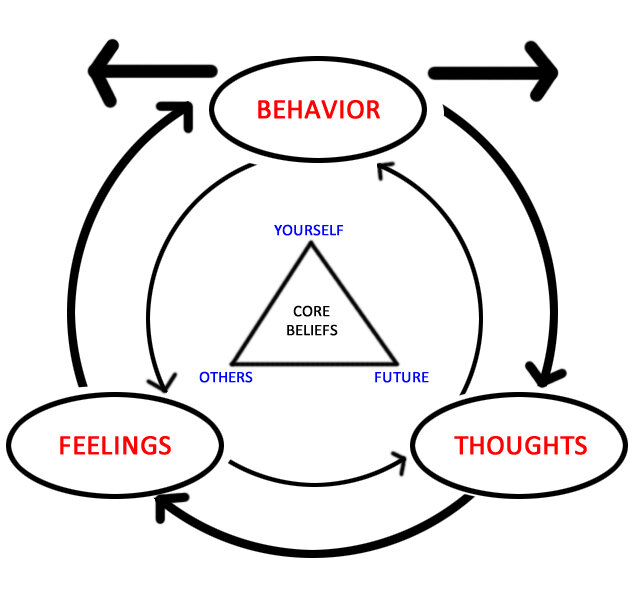
Often, anger isn't the primary emotion. It acts as a mask for other feelings like sadness, hurt, fear, or shame. It can feel safer or more powerful to express anger than to admit you feel vulnerable.
The Body's Alarm System
When you get angry, your body prepares for a fight. This is the classic "fight-or-flight" response, a survival mechanism wired deep in our brains. The adrenal glands flood the body with stress hormones like adrenaline and cortisol.
This chemical rush causes immediate physical changes. Your heart rate and blood pressure increase. You start breathing faster to get more oxygen to your muscles. Your muscles tense up, ready for action. You might feel hot or start to sweat. This response happens automatically, often before you've had a chance to process the situation consciously.
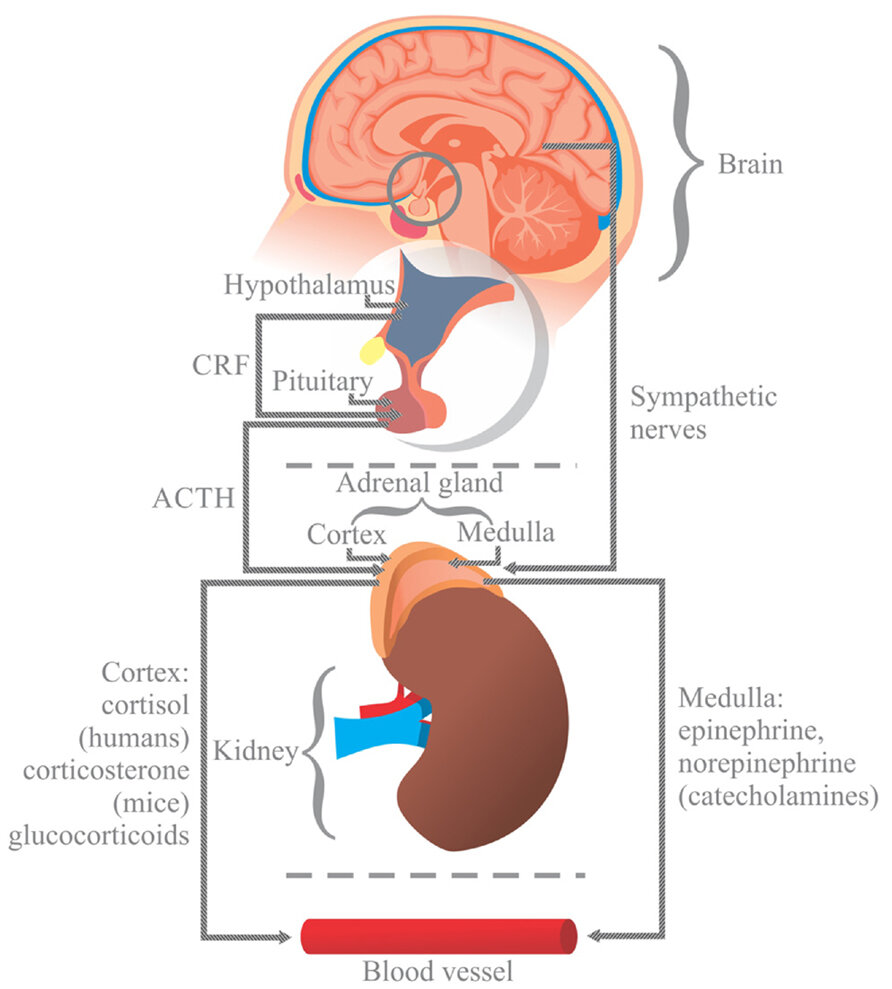
This powerful physical reaction is meant for short-term, life-threatening situations. But when triggered by everyday frustrations, it can take a toll.
Impact on Health and Relationships
While anger itself is a normal emotion, letting it simmer or explode frequently can have serious consequences. The constant flood of stress hormones and elevated blood pressure associated with unmanaged anger can damage your health over time. It increases the risk for heart disease, strokes, and a weakened immune system.
Psychologically, chronic anger clouds your judgment and makes it hard to concentrate. It can lead to stress, depression, and anxiety. It drains your energy and can make you feel out of control.
Perhaps the most immediate damage is to your relationships. Frequent outbursts, irritability, or resentment can push away friends, family, and coworkers. It breaks down trust and makes communication difficult, leading to isolation and conflict.
Understanding what anger is and how it affects you is the foundation for learning to handle it in a healthier way.