Exploring World Wine Varieties
Introduction to Wine Varieties
The Five Main Styles of Wine
Wine might seem complex, but most of it falls into five basic categories. Understanding these styles is the first step to figuring out what you like and why. Each type is defined by the grapes used and the choices made during the winemaking process. Let's break them down.
Red Wine
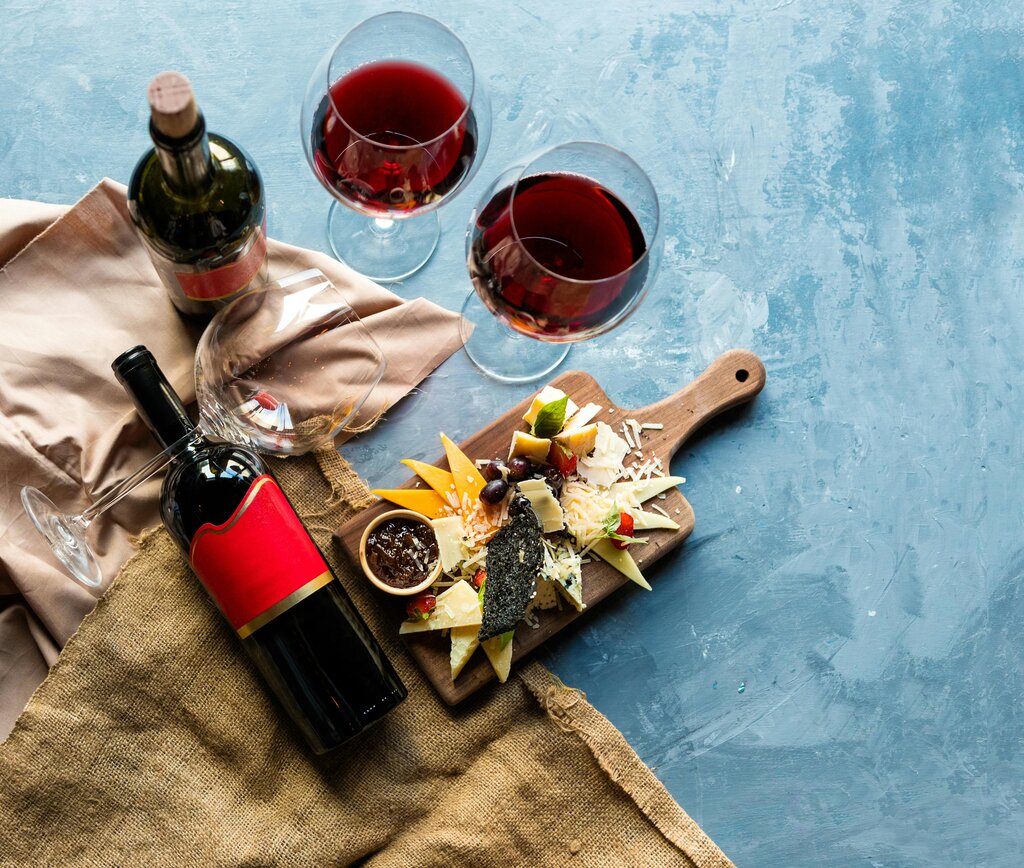
Red wine is made from black or red grapes. The key to its color and character is that the grape juice ferments with the grape skins, seeds, and sometimes even stems. This contact is what gives red wine its color, tannins, and many of its distinctive flavors. The longer the skins are in contact with the juice, the deeper the color and the higher the tannin levels.
Tannins are natural compounds found in grape skins and seeds. They create a drying sensation in your mouth, similar to drinking strong black tea, and give the wine structure.
Flavor profiles can range from light and fruity to bold and savory. You might taste red fruits like cherry and raspberry in lighter-bodied reds, or black fruits like blackberry and plum in fuller-bodied ones. Other common notes include spices, tobacco, and vanilla, especially if the wine was aged in oak barrels.
Red wines are classic partners for rich, flavorful foods. Think steak, hearty pasta dishes, and aged cheeses. The wine's structure can stand up to the strong flavors of the meal.
White Wine
White wine is typically made from green or yellow-skinned grapes. Unlike red wine, the grape juice is usually fermented without the grape skins. This results in a wine that is light in color, from pale straw yellow to a deep gold, and has very low tannins.
The defining characteristic of most white wines is their acidity. This is what makes them taste crisp and refreshing. Flavors in white wine often include citrus fruits like lemon and grapefruit, tree fruits like apple and pear, or tropical fruits like pineapple and mango. Some also have floral, herbal, or mineral notes.
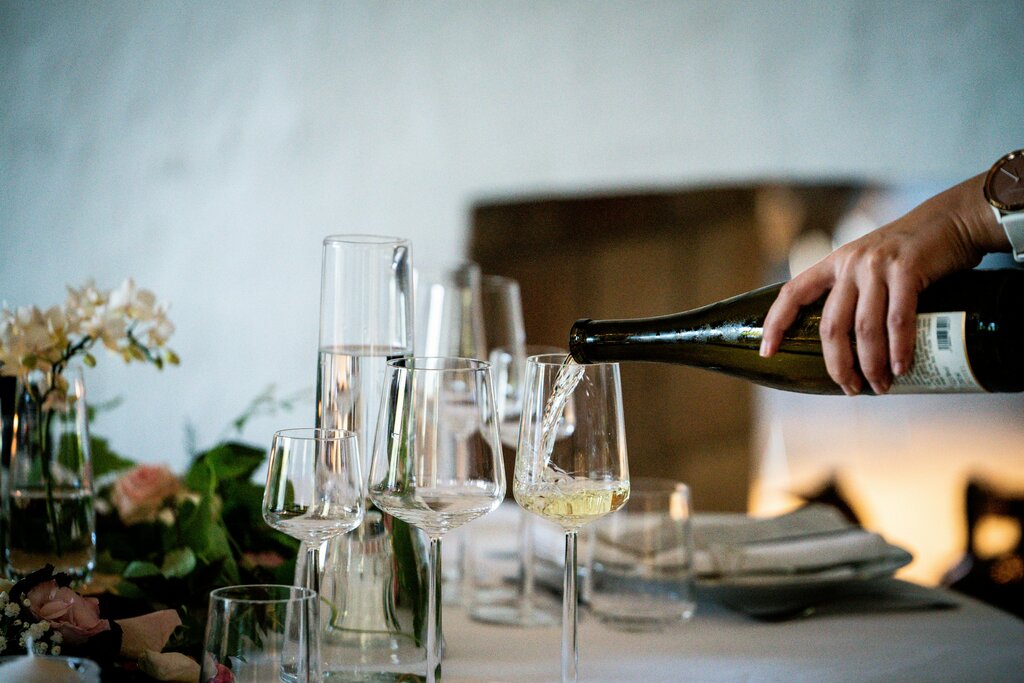
Because of their brightness and acidity, white wines are incredibly versatile. They pair beautifully with lighter dishes such as fish, chicken, salads, and creamy sauces. They're also a popular choice for sipping on their own, especially in warm weather.
Rosé, Sparkling, and Dessert Wines
The remaining three categories round out the world of wine, each with a unique production method and style.
Rosé
noun
A type of wine made from red grapes where the juice has limited contact with the skins, resulting in a pink color.
Rosé gets its signature pink hue from red grape skins, but it doesn't soak with them long enough to become a red wine. This skin-contact period can last from just a few hours to a day. The result is a wine with the light, crisp character of a white wine but with some of the fruit flavors of a red, like strawberry, raspberry, and melon. Rosé is incredibly food-friendly and perfect for picnics and sunny afternoons.
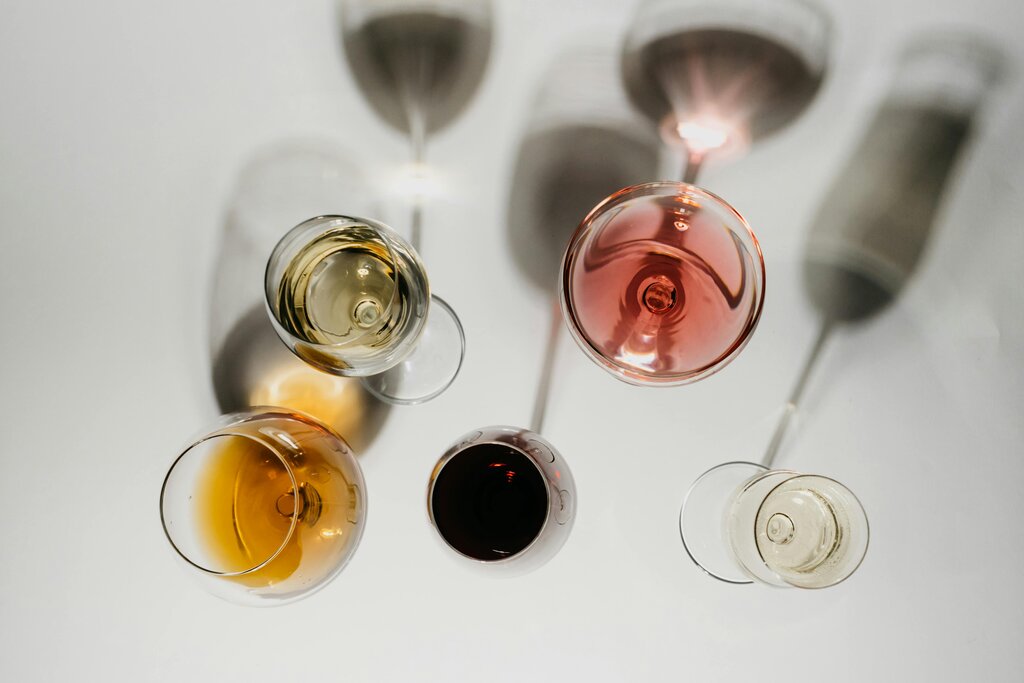
Sparkling wine is wine with carbonation. Those delightful bubbles are created during a second fermentation process, which traps carbon dioxide gas in the bottle. While Champagne from France is the most famous example, sparkling wines are made all over the world from different grapes and in different styles, from dry to sweet. It’s a celebratory wine, but it also pairs well with a surprising range of foods, from fried chicken to oysters.
Dessert wine is a broad category of sweet wines typically served with or as dessert. They get their sweetness in a few ways: by using very ripe grapes, by stopping fermentation early to leave residual sugar, or by fortifying the wine with a spirit like brandy (as with Port). They are rich, concentrated, and intensely flavored, with notes of honey, dried fruit, and nuts.
| Wine Type | Production | Common Flavors | Typical Pairing |
|---|---|---|---|
| Red Wine | Fermented with grape skins | Cherry, Plum, Spice | Red meat, Hearty pasta |
| White Wine | Fermented without skins | Lemon, Apple, Peach | Fish, Chicken, Salads |
| Rosé | Brief skin contact | Strawberry, Melon, Citrus | Light appetizers, Grilled fish |
| Sparkling | Secondary fermentation | Green apple, Toast, Citrus | Oysters, Fried foods, Cheese |
| Dessert | High sugar content | Honey, Dried fruit, Nuts | Cheese, Fruit tarts, Chocolate |
Ready to test your knowledge on these main wine styles?
What is the key step in the winemaking process that gives red wine its characteristic color and tannins?
Unlike red wines, most white wines are fermented without the grape skins. This results in a wine with very low levels of what?
Each style offers a huge variety of experiences. Now that you know the basics, you're ready to explore the specific grapes and regions that make each one unique.