Exploring World Religions
Introduction to World Religions
What Makes a Religion?
At its heart, religion is a system of beliefs and practices that helps people make sense of the world and their place in it. While every religion is unique, they often share a few key ingredients. These usually include a set of core beliefs about the nature of existence, sacred stories or texts, rituals and ceremonies, and a community of followers who share these convictions.
Religion
noun
An organized collection of beliefs, cultural systems, and world views that relate humanity to an order of existence.
Think of it as a framework. This framework might offer guidance on how to live a moral life, provide comfort in times of hardship, and foster a sense of belonging. It's a powerful force that has shaped art, politics, and daily life for millennia.
A Glimpse at World Faiths
Billions of people around the globe identify with a religion. While there are thousands of different faiths, a few have a particularly large number of followers and have played a significant role in world history. These traditions have spread far beyond their places of origin, creating a diverse tapestry of belief across every continent.
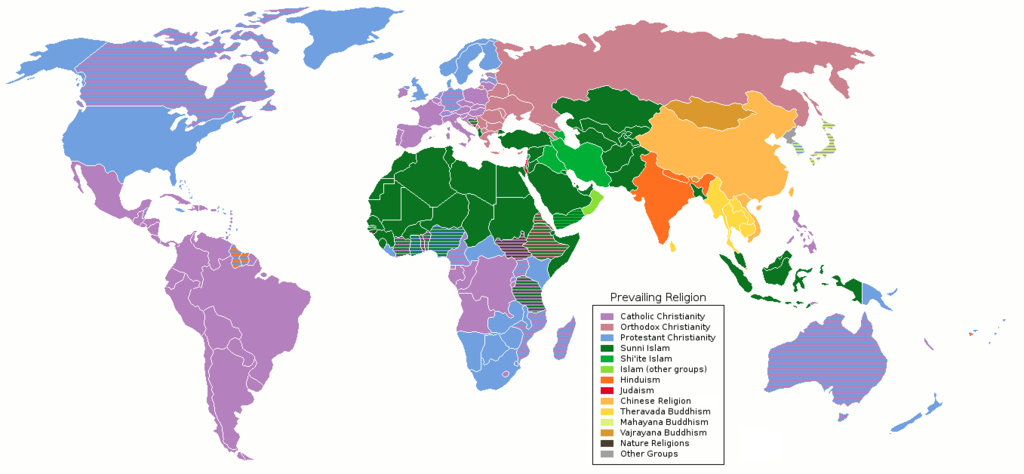
Here’s a quick introduction to five of the most widespread religions:
| Religion | Core Focus | Sacred Text(s) |
|---|---|---|
| Christianity | Based on the life and teachings of Jesus of Nazareth. | The Bible |
| Islam | Follows the teachings of the prophet Muhammad, as revealed by God. | The Qur'an |
| Hinduism | A diverse body of religion, philosophy, and cultural practice native to India. | The Vedas, Upanishads, etc. |
| Buddhism | Based on the teachings of Siddhartha Gautama, the Buddha. | The Tripitaka (Pali Canon), etc. |
| Judaism | An ancient monotheistic religion based on the laws and principles of the Torah. | The Tanakh (Hebrew Bible) |
Each of these traditions has its own rich history, unique holidays, and distinct ways of seeing the world. They offer different answers to life's biggest questions, from the meaning of suffering to what happens after we die.
Why Study World Religions?
Learning about different religions is more than an academic exercise. It's a window into the lives and cultures of people around the world. Religion has been a driving force behind historical events, artistic masterpieces, and social movements. Understanding it helps you grasp why the world is the way it is.
Understanding the origins of religious systems provides insight into the development of human societies and their worldviews
Studying religion also fosters empathy. When you learn about what others hold sacred, you can better appreciate their perspectives, even if they differ from your own. This knowledge can help break down stereotypes and build bridges between communities in our increasingly interconnected world.
By exploring different faiths, we learn not just about others, but also about the diverse ways humans seek meaning and connection.
Before we move on, let's review the key ideas from this introduction.
Now, let's check your understanding with a few questions.
According to the text, what is the primary function of religion?
Which of the following is NOT described as a common ingredient of a religion?
This overview is just the beginning. In the following sections, we'll take a closer look at the beliefs, practices, and histories of these major world religions.